


PITO Article
Porcelain Crockery for Restaurants: A Practical Buying Guide
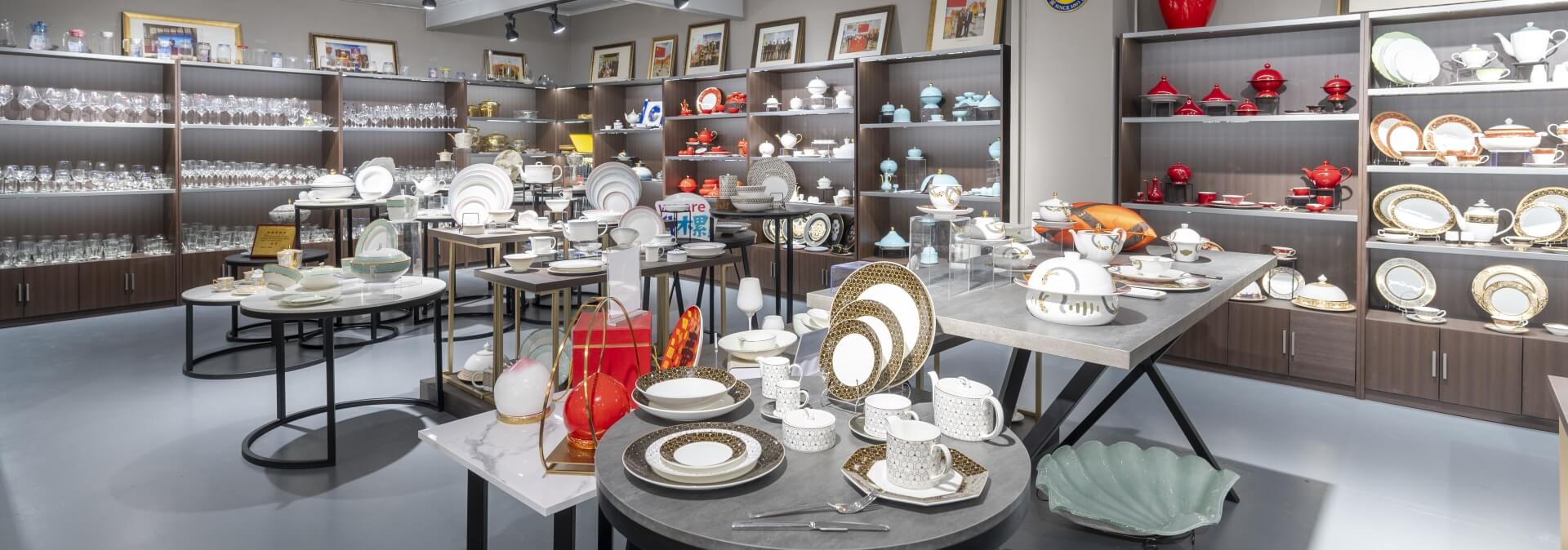
Porcelain crockery for restaurants has to do more than look good on a table. It gets dropped, stacked, scraped, and washed hundreds of times a month. If you run a kitchen or specify tableware for a group, you need pieces that hold up and keep the cost per cover low. P&T Royal Ware works as a Hospitality Tableware Solution Partner, not just a plate supplier. We help hotels, restaurants, and distributors build a full tabletop program, from shape and glaze design to bulk supply and steady reorder. Our food service dinnerware guide covers ordering in bulk.
What Porcelain Crockery Means for a Working Kitchen
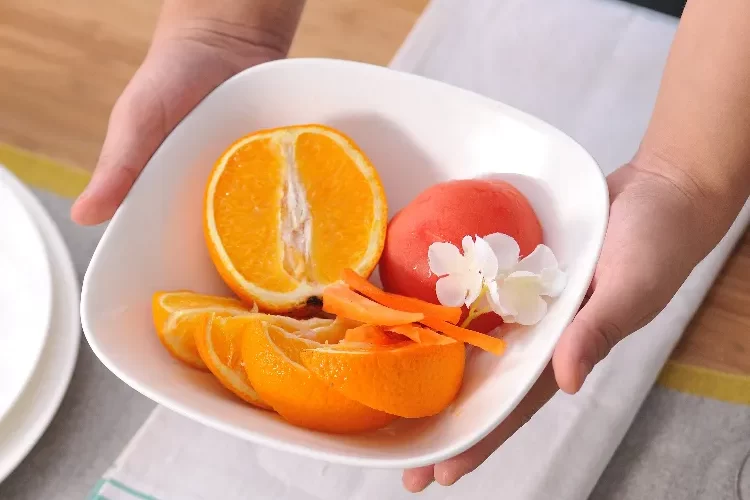
Porcelain crockery is the broad name for plates, bowls, and cups made from fired clay at high temperature. The result is a dense, non porous body that resists stains and survives the dishwasher. In a restaurant, the term covers everything from a 10 inch dinner plate to a 6 ounce espresso cup. You are buying tools that see heavy daily use, not display pieces for a shelf, so the body has to hold up under real service, not just look good in a catalog photo.
White Porcelain Crockery: Why Most Hotels Standardize
White porcelain crockery is the default in hotels and banquet halls. It matches any linen, any food, and any season, and it lets the chef’s plating stand out. Most sites start with white and add one accent piece for branding. If you want a harder body that lasts longer, look at Royal Porcelain, our high fire line built for daily service. White also hides small scratches and sauce marks better than a colored body, which keeps the room looking clean on a busy night. For the plate and bowl mix behind a cover, see our restaurant dinnerware guide.
Shape, Glaze, and Decal: Your Brand on the Table
A cover is more than a white plate. The shape sets the hand feel. The glaze sets the mood, from a quiet satin that lets the food lead to a reactive glaze that becomes the brand signature. The decal carries your logo, pattern, or property name. If you run a chain or a hotel group, these three choices are how guests remember you, not the factory that made the blank.
P&T Royal Ware supports the full design path. Send a sketch or a sample and we develop the shape, match the glaze, and fire the decal to your spec. For a new property, start with one white base and add one accent piece so the look stays clean across outlets.
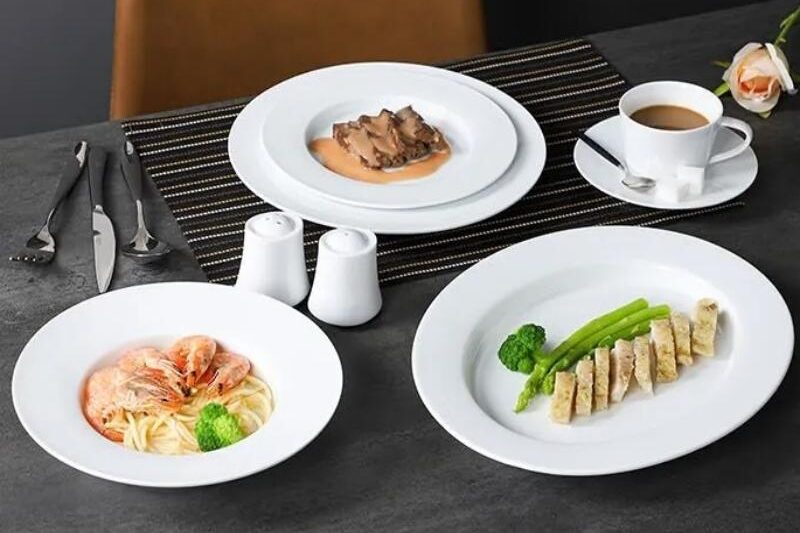
Porcelain Crockery vs Daily Wear: What You Pay For
Crockery porcelain and the everyday ceramic you see at home are not the same product. Home mugs chip and craze after a year. Restaurant porcelain is fired harder, so the glaze stays smooth and the rim stays intact. You pay more up front, but the replacement rate drops. Over a year, that usually means a lower total cost than buying cheap pieces that break every month.
How to Spec Porcelain Crockery by Service Type
Match the piece to the way you serve. The table below shows common choices for a busy site.
| Service type | Piece to use | Material note | Why it works |
|---|---|---|---|
| Hotel breakfast | 9 inch coupe plate | Royal Porcelain or fine porcelain | Light, stacks tight |
| Banquet dinner | 10.5 inch rim plate | Vitrified porcelain body | Frames the main course |
| Cafe service | 7 ounce cup and saucer | Fine porcelain | Keeps heat, easy grip |
| Room service | 8 inch bowl | Royal Porcelain | Resists knocks in transit |
| Porcelain crockery set, 12 piece | Royal Porcelain | Covers one table cover | One SKU for opening order |
Service style changes the spec. A fine dining room wants a thin rim and a quiet glaze that lets the plating lead. A banquet hall needs a rim plate that frames the main course and stacks tight for 500 covers. A buffet line favors wide, stable bowls that survive constant refills. A hotel project often standardizes one white base across floors, then adds a branded accent for signature outlets. Tell us the service style and seat count, and the right mix follows.
Durability: A vitrified body absorbs almost no water, so it will not soak up sauces or odors. Weight: Lighter pieces cut staff fatigue during a 200 cover shift. Glaze: A clean, even glaze is easier to wipe and shows fewer scratches. Porcelain crockery count: Count your covers, add 20 percent for breakage, then buy by the dozen.
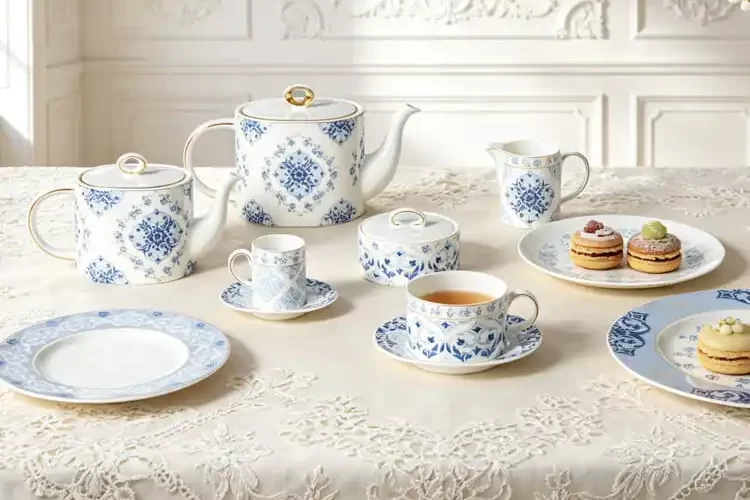
Procurement Steps
- List your covers and your menus.
- Pick a base white range that fits your service.
- Ask for samples and run a wash test at your site.
- Confirm lead time and minimum order with the factory.
- Place the first bulk order and track breakage for one month.
Reading the Spec Before You Buy
A short spec sheet tells you most of what you need before you commit to a run.
Start with the firing temperature. A higher fire point gives a denser body, which resists chipping and staining through heavy use. Then check the glaze type. A reactive or hand dipped glaze looks rich, but it usually needs more care than a solid glaze under daily washing.
Ask for the piece weight next. Two plates that look the same on a screen can differ by 80 grams, and that difference adds up across a 300 cover shift where staff carry stacks all day. If the factory shares test data, such as wash cycle counts or rim hardness, that suggests they trust their own body.
Keep one approved sample on the shelf so every new order can be checked against it. A consistent body makes reordering simple, because the piece you approved stays the piece you receive.
For white porcelain crockery, also confirm the shade. Two whites from different runs can read as different colors under warm dining room light, and guests do notice when the second shipment looks off.
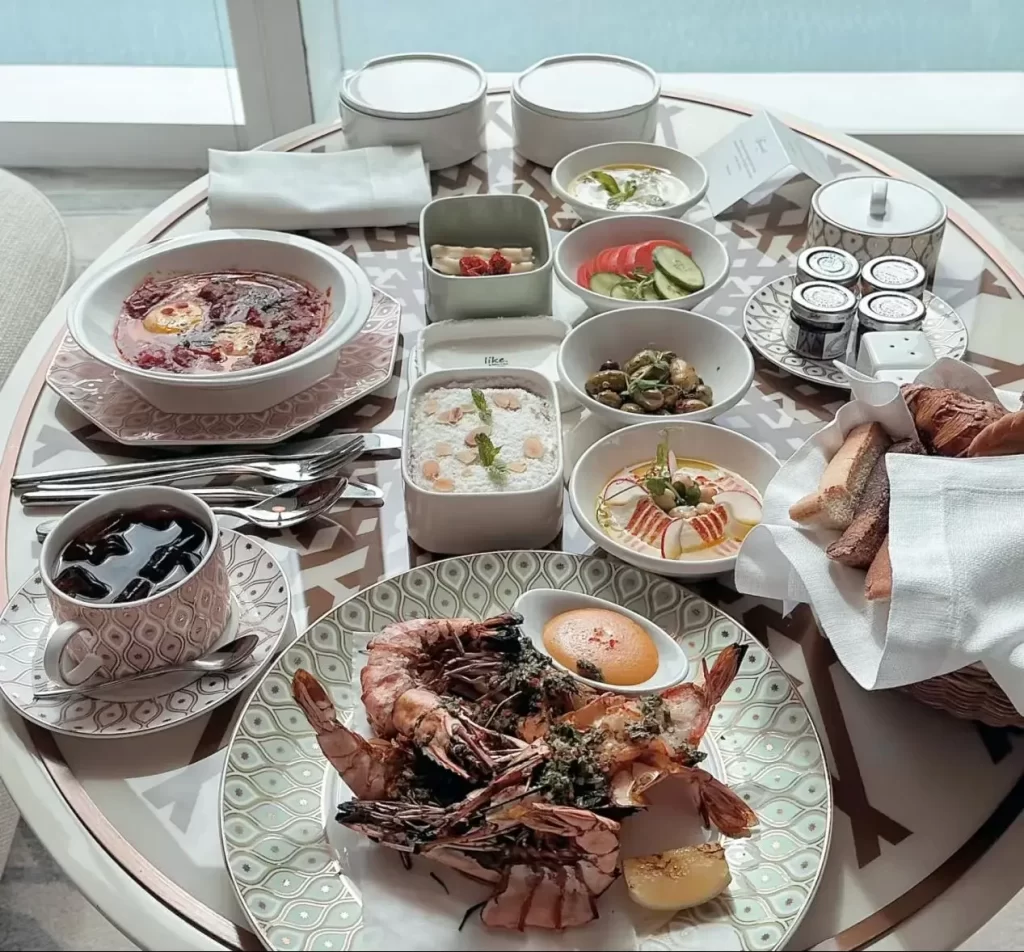
A restaurant or hotel opening is not a one-time purchase. It is a project that runs from concept to replenishment, and we work as your Hospitality Tableware Solution Partner through every step, so the cover set you open with is the set you can reorder for years.
- Concept / Menu Analysis — We start from your menu and service style (fine dining, banquet, buffet, or cafe). The dishes you plate decide the sizes and shapes you need, not a catalog number.
- Material & Shape Selection — We help pick the body (fine porcelain, Royal Porcelain, or a fine bone china accent) and the rim, coupe, or bowl form that fits your volume and brand.
- Custom Design — Our in-house design team develops the shape, glaze, and decal that carry your brand identity, from a single logo to a full custom cover set.
- Sampling — You receive physical samples to run a real wash and service test, not just a desk review.
- Operational Testing — We check how pieces stack, carry, and survive a busy pass, then adjust before mass production.
- Production / QC — Made in our own factory under ISO 9001 quality management, with QC at each stage so body and glaze stay consistent run to run.
- Delivery — Coordinated to your seat count and opening date, with par-level planning so your storeroom stays full.
- Replenishment — Reorder against the approved sample, supported by agents in multiple countries for fast local restocking.
Tip: Always wash test a sample before you commit to a full run. One hundred washes shows more than any product photo.
Frequently Asked Questions
Q: Is porcelain crockery safe for daily dishwasher use?
Yes. Porcelain fired at high temperature takes repeated dishwasher cycles without losing its glaze. Look for a vitrified body and you are set for daily service.
Q: What is the difference between porcelain dinnerware and porcelain crockery?
The two terms overlap. Porcelain dinnerware usually points to the full set you serve on, while porcelain crockery is the broader name for plates, bowls, and cups in a food business. For buying, treat them as the same category.
Q: Why do hotels prefer white porcelain crockery?
White porcelain crockery matches any menu and any decor, and it makes food look clean in photos. Most buyers keep white as the base and add one branded accent.
Q: Can I order crockery porcelain with my own logo?
Yes. We make OEM runs with your decal or shape. Send your artwork and we return a sample before production starts.
Planning a hotel or restaurant project? Contact P&T Royal Ware with a few details: your property or project name, service style (fine dining, banquet, buffet, or cafe), expected quantity, and any customization needs such as shape, glaze, or decal. Our team returns a spec, a sample, and a lead time built around your program, so you screen the right partner before you commit to a run. For a premium accent option, see our fine bone china tea sets guide.


LET'S TALK TOGETHER
Lorem ipsum dolor sit amet, consectetur estor adipi isicing elit, sed do eiusmod tempor este uterre incididui unt ut
