




PITO Article
Food Service Dinnerware: A Procurement Guide for Operators
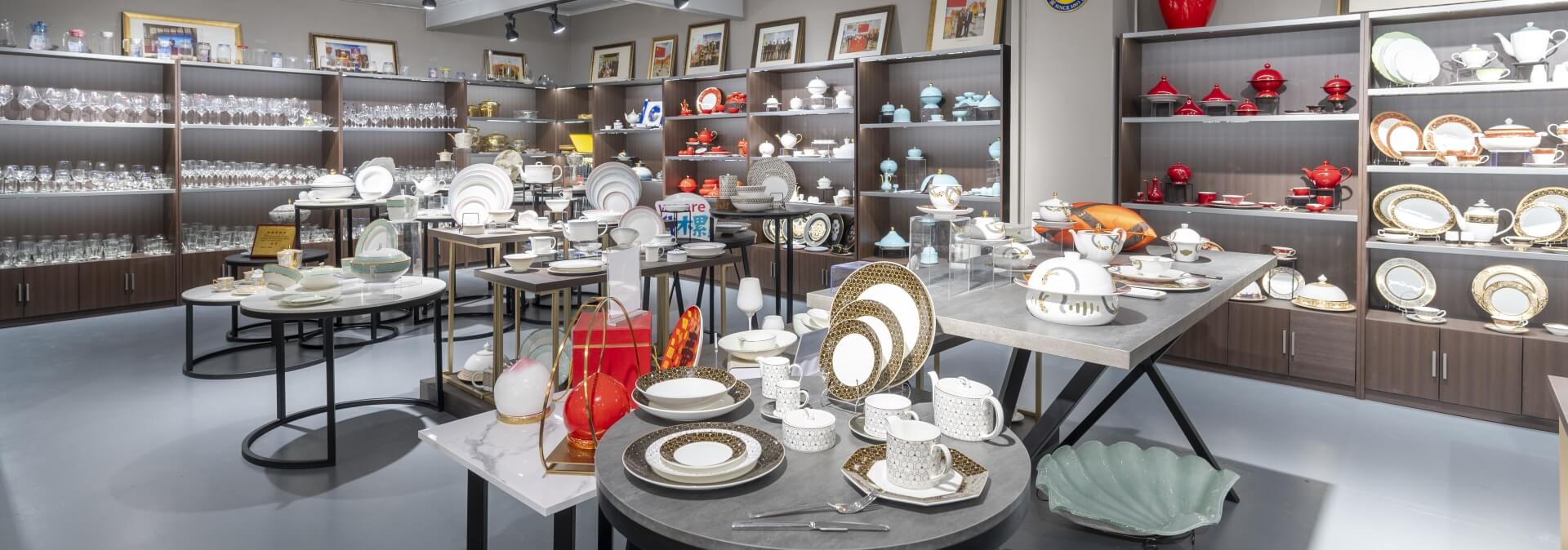
Food service dinnerware is the tableware a business serves guests on every day. This food service dinnerware has to survive heat, stacked storage, and industrial washing without losing its look. It is not the same as the set you use at home. If you are opening a site or refreshing your units, the plan below covers how to buy, what standards matter, and how to order in bulk without surprises.
What Food Service Dinnerware Covers
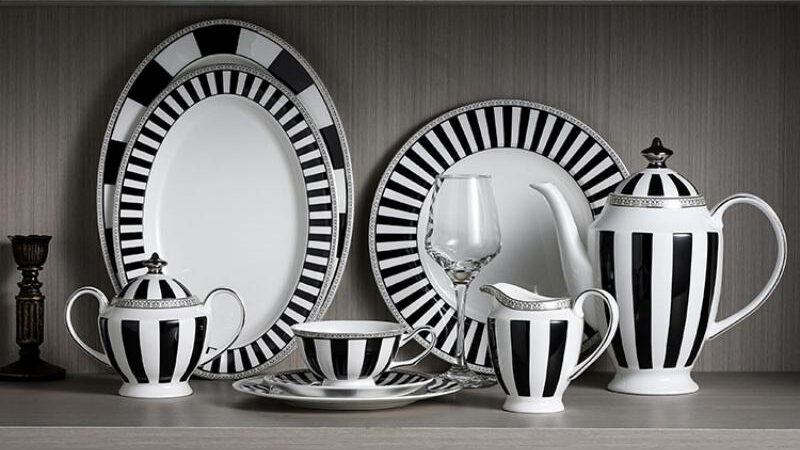
The term covers plates, bowls, cups, and the pieces that fill a table cover. It also covers the material choices behind them, from vitrified porcelain to fine bone china for premium service. When you spec food service dinnerware, match the piece to the service level first. It must look right, feel right, and keep working after thousands of cycles.
Restaurant Dinnerware vs Home Ware: The Gap
Restaurant dinnerware is built for abuse that home ware never sees. A hotel plate is built for far higher wash frequency than a home plate. That gap drives the material and the glaze. When you buy for a business, pick a body that is vitrified and a rim that resists chipping. Home style pieces fail fast in a pass station.
Commercial Dinnerware Standards That Matter
Commercial dinnerware follows stricter rules than gift ware. Two checks matter most for buyers.
Chip resistance: A rolled edge or reinforced rim keeps the piece in service longer. Food safety: Look for confirmation the glaze is food-safe and the factory holds a recognized certification such as ISO 9001.
These two checks remove most of the risk from a bulk buy.
Restaurant Supply Dinnerware: Ordering in Bulk
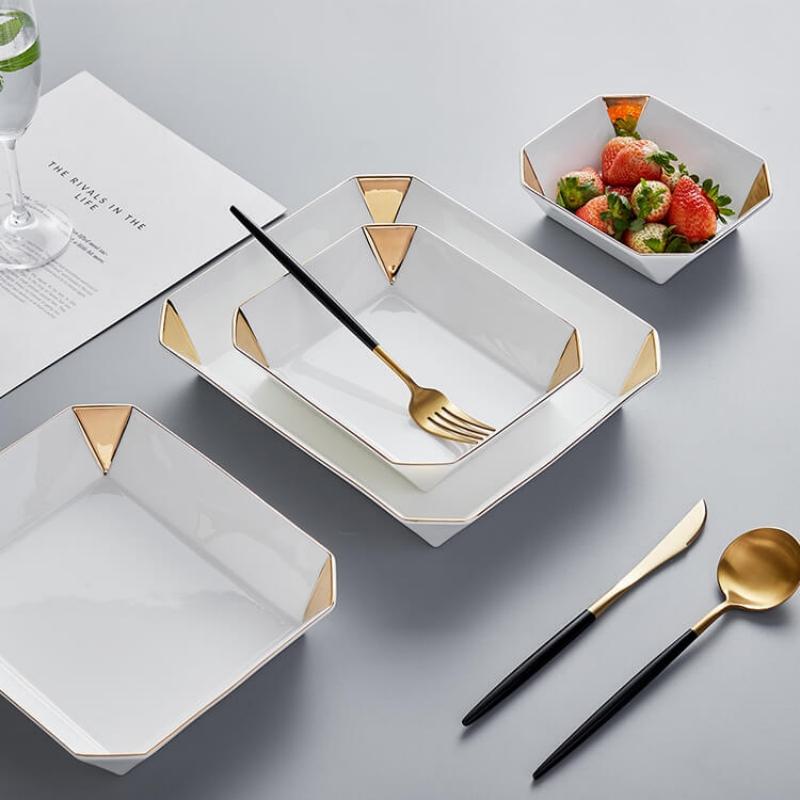
Restaurant supply dinnerware is usually sold by the case or by the dozen. When you order in bulk, confirm three things before you pay. First, the breakage rate you can expect in month one. Second, the lead time from the factory. Third, whether the decal survives industrial washing. Get these in writing and your opening order stays on track.
Compare by Venue
| Venue | Core pieces | Material pick | Notes |
|---|---|---|---|
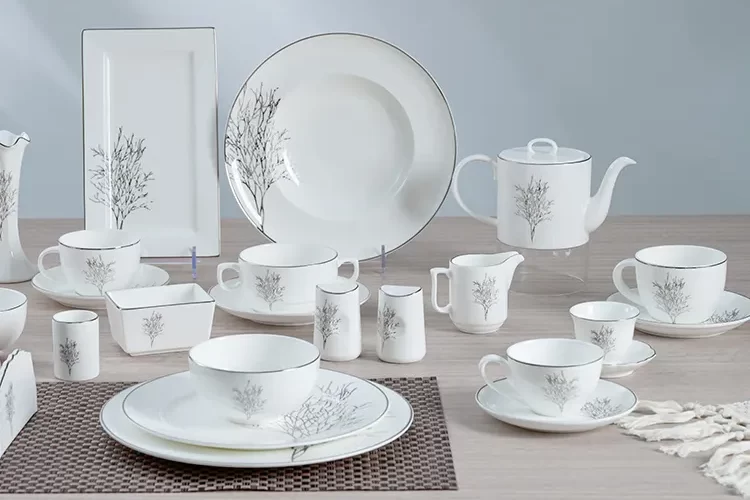
| Cafe | Cup, small plate | Fine porcelain | Fast turnover, easy grip |
| Hotel | Full cover set | Royal Porcelain | Uniform look across floors |
| Banquet | Rim plate, bowl | Vitrified porcelain | Frames large plated courses |
| Fine dining | Bone china accent | Fine bone china | Premium hand feel |
Food service dinnerware count: Count your seats, then add 20 percent for breakage and rotation. Storage: Stackable shapes save shelf height in a tight dish room.
Material Options Compared
Food service dinnerware comes in a few body types, and the body decides the price and the life span. The table below maps the common options to the kind of service they suit.
| Body type | Makeup | Price tier | Best for |
|---|---|---|---|
| Vitrified porcelain | Fired dense, low absorb | Mid | Banquets, high cycle cafes |
| Fine porcelain | High fired, hard body | Mid to high | Hotels, branded service |
| Royal Porcelain | P&T high fire porcelain, no bone | Mid | High volume, breakage risk |
| Fine bone china | Clay with bone ash added | High | Premium accent, gifting |
Vitrified porcelain leads on value and takes daily abuse well. Royal Porcelain, our high fire line, suits sites where chips are the main cost. Fine bone china sits at the top for look and hand feel.
For food service dinnerware, work out the cost per cover rather than the cost per piece. Divide the case price by the pieces in a full cover, then add the spare buffer. That number tells you what each guest place setting truly costs.
Plan Around Lead Time
For food service dinnerware, lead time is where most opening dates slip. A factory run takes four to eight weeks plus freight, so plan backward from your target open date. Confirm the slot in writing before you promise the date to your team. Most teams place the first order around a soft open, then reorder by the case as covers and breakage settle.
Build the calendar in three bands: design and sample approval, production, and freight plus customs.
Steps to Procure
- Map your menu to the pieces you need.
- Choose one base range for a consistent look.
- Request samples and test them in your washer.
- Confirm minimum order and lead time with the supplier.
- Place the order and set a breakage review at day 30.
Reading the Spec Before You Buy
A spec sheet is your best protection on a bulk order.
Start with the body type and the firing temperature, because those two numbers decide how long the piece lasts. Then look at the certifications. A clear note that the factory holds a recognized standard such as ISO 9001 tells you it runs a certified quality system, not just a claim.
Ask about the minimum order and the lead time next. These two numbers decide whether the goods arrive before your opening date. A supplier who gives a written range is easier to plan around than one who promises a vague window.
Also confirm the case pack and the pallet size, because freight cost depends on how the goods load. Keep the spec with your purchase order so future reorders match the first approved sample.
Common Procurement Mistakes
Most failed opening orders share the same few errors. Watch for these when you plan food service dinnerware.
Buying on price per piece alone: A cheap home grade piece that chips in month two costs more than a solid commercial piece by month six. Skipping the washer test: A decal that looks fine on the sample can fade after ten washes. Run the sample through your own machine first. Forgetting the spare count: Teams that order exact covers run short on the first busy weekend. The 20 percent buffer is the floor, not the ceiling. Mixing too many ranges: Three base ranges in one storeroom triple the reorder work and break the look across the floor. Trusting a vague lead time: A supplier who will not put the slot in writing will not hit the date you promised your team.

A food service rollout is not a one-time purchase. It is a project that runs from concept to replenishment, and we work as your Hospitality Tableware Solution Partner through every step, so the set you open with is the set you can reorder for years.
- Concept / Menu Analysis — We start from your menu and service style (fine dining, banquet, buffet, or cafe). The dishes you plate decide the sizes and shapes you need, not a catalog number.
- Material & Shape Selection — We help pick the body (vitrified porcelain, fine porcelain, or a fine bone china accent) and the stackable form that fits your volume and breakage risk.
- Custom Design — Our in-house design team develops the shape, glaze, and decal that carry your brand identity, from a single logo to a full custom cover set.
- Sampling — You receive physical samples to run a real wash and service test, not just a desk review.
- Operational Testing — We check how pieces stack, carry, and survive industrial washing, then adjust before mass production.
- Production / QC — Made in our own factory under ISO 9001 quality management, with QC at each stage so body and glaze stay consistent run to run.
- Delivery — Coordinated to your seat count and opening date, with par-level planning so your storeroom stays full.
- Replenishment — Reorder against the approved sample, supported by agents in multiple countries for fast local restocking.
Tip: A 20 percent spare buffer sounds high until your first busy weekend. Most operators wish they had ordered more, not less.
Care and Breakage Control
Good food service dinnerware lasts longer with simple handling rules. Train the dish room to stack by size, not by what fits. Keep a separate rack for chipped pieces so they leave service the same day. Review breakage at day 30 and day 90, and compare the count to your opening buffer. If one pattern breaks more than the rest, swap it before you reorder the full set. A short monthly check keeps your covers steady and your reorder list short.
Frequently Asked Questions
Q: What is the difference between restaurant dinnerware and food service dinnerware?
They mean almost the same thing. Food service dinnerware is the wider term for any business that serves food. Restaurant dinnerware points more to the plates and bowls in a dining room. For purchasing, use them together.
Q: Do I need commercial dinnerware or can I use home ware?
Use commercial dinnerware for any site with real volume. Home ware chips and crazes under daily washing. The swap saves money in the first month but costs more by month six.
Q: How does restaurant supply dinnerware usually ship?
It ships by the case or by the dozen, with protective dividers. Confirm the case pack and the pallet size before you book freight, so the goods fit your receiving dock.
Yes. We handle opening orders from single sites to large groups, and we can match a base white range with one branded accent piece.
Ready to plan your food service dinnerware? Share your project, service style (fine dining, banquet, buffet, or cafe), quantity, and any shape, glaze, or decal needs. Contact P&T Royal Ware for a quote and sample plan. For base plates and bowls, see our porcelain crockery for restaurants guide.


LET'S TALK TOGETHER
Lorem ipsum dolor sit amet, consectetur estor adipi isicing elit, sed do eiusmod tempor este uterre incididui unt ut
