




PITO Article
Why Chip Resistant Dinnerware Matters in a Commercial Kitchen
In a commercial kitchen, dinnerware gets handled constantly. Plates are stacked, carried, cleared, washed, and put back into service many times a day. For restaurants, hotels, banquets, and catering operations, hotel tableware needs to do more than just look good. They have to survive the shift.
A chipped plate is not just a cosmetic problem. It affects safety, hygiene, what guests think of the venue, and how often the kitchen has to reorder. If you serve on Bone China or fine porcelain, chip resistance ends up mattering more than most buyers expect.
What chip resistant dinnerware actually is
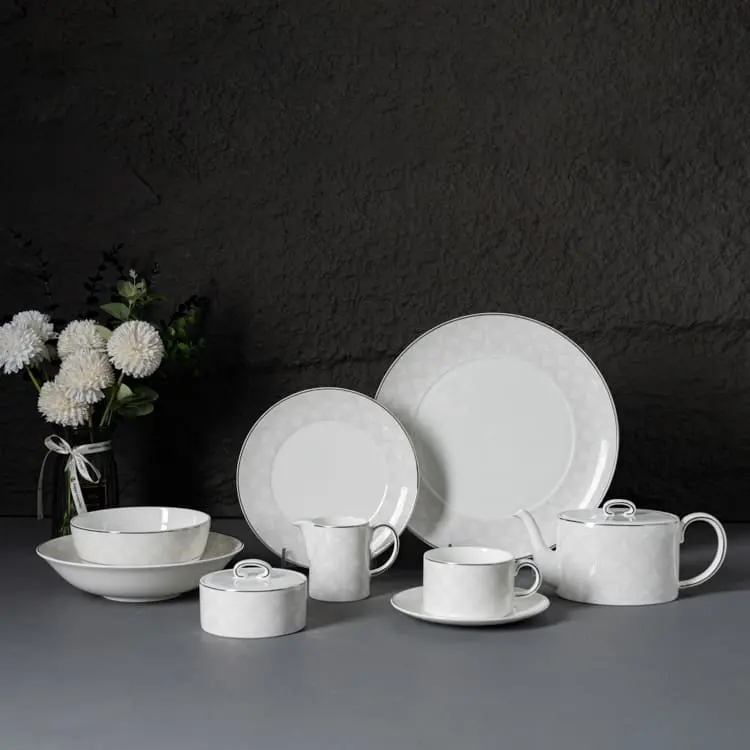
Chip resistant dinnerware is built to reduce rim chips, edge damage, and surface wear during normal commercial use. It is not unbreakable. It just holds up better under the daily pressure of foodservice.
How well a piece resists chipping depends on several things:
- Material formulation
- Body density
- Firing temperature
- Rim design
- Glaze quality
- Manufacturing consistency
Bone China and fine porcelain are not automatically durable by chemistry alone. The production process decides how the dinnerware actually performs. In high-standard manufacturing practices, the physical foundation dictates the final performance. For instance, PITO insists on a high firing temperature of 1320°C for premium Bone China and 1280°C for fine porcelain. This high-temperature process, combined with a high-density body formula, is the fundamental reason why true commercial grade tableware can maintain its structural integrity at the rims and surfaces under long-term, high-intensity use.
Commercial dinnerware needs to look good and hold up
Dinnerware is part of the meal. A good plate supports the food, reinforces the brand, and makes the table feel intentional. That is why Bone China and fine porcelain show up so often in hospitality. Bone China is known for its whiteness, light feel, and an elegant look. Fine porcelain has a smooth surface, a clean appearance, and a lot of design options.
But commercial buyers should not pick dinnerware on looks alone. A plate that chips in week three will cost more than it saved. Good hospitality dinnerware balances refined presentation with real durability, comfortable handling, reliable stackability, smooth easy-to-clean surfaces, and replacement availability down the road. The right piece should look polished in the dining room and stay practical once it goes back to the dish pit.
Safety: chipped edges cut people
A chipped plate, bowl, or cup can leave sharp edges. That puts both guests and staff at risk.
Guests notice damaged tableware immediately, and even a small chip makes a venue look careless. Staff are the ones who really feel it. They handle large volumes of dinnerware through washing, sorting, stacking, and service, and chipped edges can cut, especially when the kitchen is slammed.
Damaged dinnerware should always be pulled from service. Choosing chip resistant dinnerware just reduces how often you have to do it.
Hygiene: smooth surfaces clean better
Commercial dinnerware needs to be washable, thoroughly, every day. Smooth, well-glazed surfaces handle repeated washing and help maintain hygiene standards.
Once a piece chips or cracks, the damaged spot turns rough or uneven. Food residue sticks harder, and the piece may no longer be fit for guest service.
Well-made Bone China and fine porcelain usually offer smooth surfaces, low water absorption, and durable glazes. When the products are built for foodservice, those qualities hold up through frequent washing.
Cost control: fewer replacements over time
Cheap dinnerware looks attractive on the quote. Then it starts chipping. Restaurants and hotels usually need large quantities of matching plates, bowls, cups, and serving pieces, and when items chip often, the replacement bill adds up fast.
Frequent damage also creates problems you do not see on the invoice:
- Emergency reorders
- Inconsistent table settings
- Shortages during peak service
- Extra inventory checks
- More discarded pieces
For hospitality procurement managers, the real question is not price per piece. It is how the bulk dinnerware holds up through repeated commercial use. A higher-quality Bone China or fine porcelain product can be the better value if it lasts longer and keeps its appearance, ultimately simplifying the wholesale hotel tableware purchasing process.
Operational efficiency when service gets busy
In high-volume foodservice, dinnerware moves through a lot of hands: storage, plating, service, clearing, washing, drying, stacking. When pieces chip or break often, that workflow gets clumsy.
Chip resistant dinnerware cuts down the interruptions. Staff spend less time pulling damaged items, managers handle fewer replacement headaches, and service teams can count on more consistent inventory.
This matters most in:
- Hotel breakfast buffets
- Banquet service
- Restaurant rush hours
- Catering transport
- Room service
- Cafeterias and institutional dining
Dinnerware should look good on the table. It also needs to stack, carry, wash, and store without falling apart.
Brand image: chipped dinnerware erodes trust
Guests usually do not know the difference between Bone China, fine porcelain, or any other ceramic. They can tell when the tableware looks clean, intact, and cared for.
Chipped tableware sends the wrong message. It can make a restaurant or hotel look unprofessional, even when the food and service are strong. For premium hospitality businesses, the table setting is part of the brand.
Clean, consistent, chip-free dinnerware says professionalism, cleanliness, and reliable service standards, without anyone having to say it out loud.
Why Bone China and fine porcelain are worth considering
Bone China and fine porcelain are common in hospitality because they combine elegance with practical performance, when they are made properly.
Bone China shows up in upscale restaurants, hotels, and banquets because of its white appearance, light weight, and subtle translucency. Fine porcelain is valued for its dense body, smooth finish, and flexible styling.
For commercial kitchens, buyers should choose products built for repeated service, not household decorative use. The quality points that actually matter:
- Stable firing
- Strong body structure
- Durable glaze
- Well-finished rims
- Consistent shapes and sizes
- Reliable supplier support
Choosing a reliable commercial tableware supplier ensures buyers get presentation value and confidence in daily use.
How to choose chip resistant dinnerware
When you are selecting Bone China or fine porcelain for commercial use:
- Choose commercial-grade products. Confirm the dinnerware is rated for restaurants, hotels, or foodservice.
- Check rim strength. Rims chip first, so edge design matters.
- Review glaze quality. A smooth, durable glaze improves appearance and cleanability.
- Test stackability. Bad stacking creates storage problems and edge damage.
- Balance weight and durability. The piece should feel refined but stay practical for staff.
- Match shapes to the menu. Plates and bowls should support the menu, plating style, and table concept.
- Confirm equipment compatibility. Check dishwasher and microwave suitability if you need it.
- Plan for replacements. Work with a reliable hospitality tableware supplier that can provide consistent pieces over time.
- Leverage customization and sample services. Before bulk purchasing, a professional OEM tableware manufacturer will provide sample testing. PITO’s ODM/OEM team can offer custom shapes, logos, and glazes tailored to your menu style, allowing you to verify the chip resistance in your actual operating environment before making a final decision.
Mistakes to avoid
Commercial buyers should not pick dinnerware by lowest price alone. Cheap dinnerware can cost more over time because it chips faster.
Other common mistakes:
- Running residential-grade dinnerware in commercial kitchens
- Ignoring rim strength and glaze quality
- Choosing pieces too fragile for the service environment
- Buying overly heavy dinnerware that slows staff down
- Picking shapes that are hard to stack
- Not planning replacement inventory
- Mixing too many styles across the table setting
The best choice fits both the front-of-house look and the back-of-house reality.
Conclusion
Chip resistant dinnerware helps commercial kitchens protect safety, hygiene, efficiency, cost control, and guest experience. It reduces the problems chipped plates create and helps businesses keep a consistent table setting.
For restaurants, hotels, banquets, and catering operations, high-quality Bone China and fine porcelain can balance elegance and durability, as long as they are built for commercial use.
When you choose dinnerware, look at long-term performance, not just the initial price. The right chip resistant dinnerware supports daily operations, keeps avoidable replacement costs down, and helps create a more professional dining experience.


LET'S TALK TOGETHER
Lorem ipsum dolor sit amet, consectetur estor adipi isicing elit, sed do eiusmod tempor este uterre incididui unt ut
