




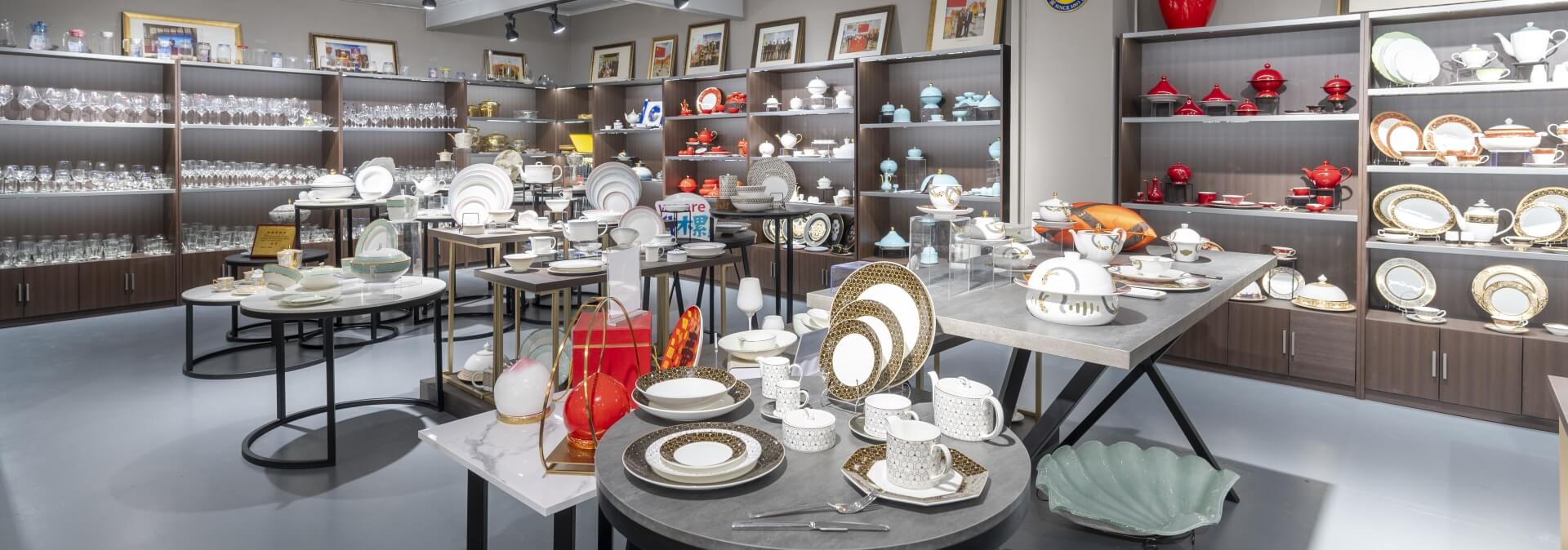
PITO Article
Why Bocuse d’Or Chefs Demand Custom Dinner Plates
In elite culinary competitions, a dish is never judged by flavor alone. The dinnerware matters more than most people realize. As the Official Tableware Partner of the Bocuse d’Or World Culinary Competition, PITO (Guangdong P&T Porcelain Co., Ltd.) has spent years studying the material properties that separate good tableware from competition-grade instruments.
When Michelin-starred chefs and international competitors specify bone china fine dining, they’re not following tradition. They’re making a decision based on material science, thermal dynamics, and precision engineering. This article breaks down why elite culinary professionals demand custom bone china, and how our manufacturing protocols deliver competition-level quality to commercial operations.
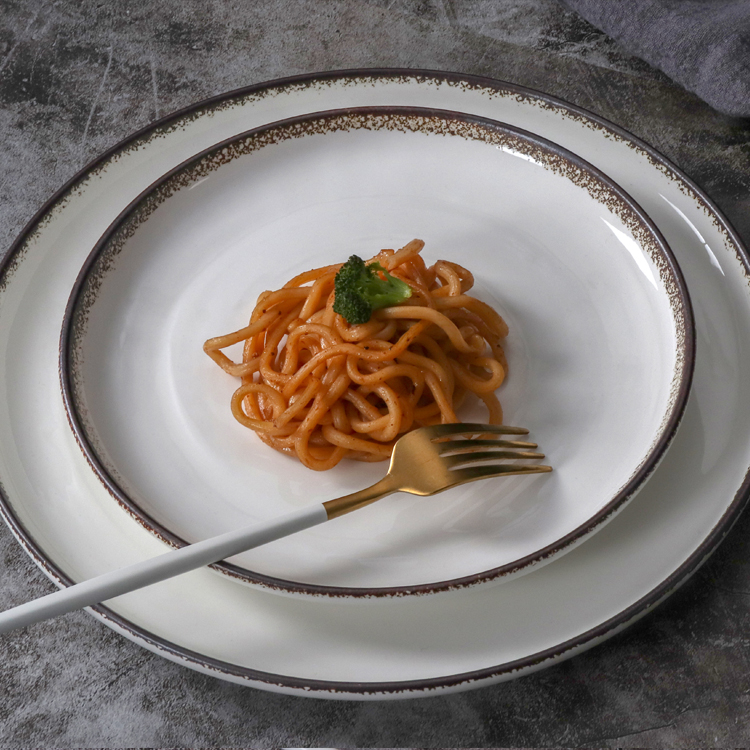
Competition-grade bone china: what sets Bocuse d’Or standards apart
To understand why elite chefs specify our tableware, start on the manufacturing floor. We approach high-end ceramic production with the same process controls, environmental monitoring, and tolerance strictness you’d expect in cleanroom engineering. Competition-grade bone china isn’t just “white pottery.” It’s a highly engineered vitrified composite.
True bone china requires 30% to 45% bovine bone ash, mixed with kaolin and feldspathic materials. This chemical composition changes the crystalline structure of the ceramic body during firing, producing a material with unique optical and thermal properties.
Translucency: how light transmission elevates plating
The most visually striking feature of premium bone china is its translucency. Hold a high-quality plate to the light, and a soft, even glow passes through the rim. For an executive chef, this isn’t just an aesthetic trick. It’s a tool for plating precision.
Weight balance and mouthfeel: the chef’s perspective
A plate’s physical geometry affects both the server’s ergonomics and the diner’s tactile experience. Weight balance porcelain is engineered so the center of gravity sits in the palm of the hand, preventing the “tipping” effect when carrying heavy, sauce-dressed proteins.
The rim profile and lip thickness also dictate mouthfeel enhancement. A precisely rolled, thin rim feels refined against the lip. A thicker, flat rim feels utilitarian. Our chef approved designs use computer-aided mold engineering to keep weight distribution consistent, whether the plate is 10 inches or 12 inches.
Thermal retention for multi-course service
In a multi-course tasting menu, temperature control is everything. Thermal retention dinnerware keeps a purée hot from the pass to the table, and a chilled dessert plate maintains its temperature in a warm room.
Bone china’s dense, highly vitrified body gives it a higher specific heat capacity than standard ceramics. It also has exceptional thermal shock resistance. The material expands and contracts uniformly under temperature changes, so it can go from a hot commercial dishwasher to a cold plating station without developing micro-fractures. That’s what makes fine porcelain bone china suited for the extreme thermal cycling of a professional kitchen.
Michelin-starred restaurants and the bone china specification
The standards required to win gold at the Bocuse d’Or are extreme, but they have to scale. A luxury restaurant can’t run on competition-day adrenaline. The tableware has to perform during a 200-cover Friday night service.
From competition kitchen to commercial service
Translating culinary competition standards into daily operations requires tableware that survives a professional kitchen dinnerware environment. That means industrial dishwashers, high-alkali detergents, and constant stacking.
Our professional grade bone china is built for this. By optimizing the glaze formulation, we create a surface that resists cutlery marking (metal scratching) and staining from acidic foods like tomato or citrus. The plate maintains its factory-finish gloss for thousands of wash cycles.
Visual sophistication: the psychology of premium presentation
This is where fine dining presentation standards matter. Research in crossmodal perception has shown that the weight, color, and texture of a plate can alter perceived taste.
In haute cuisine plating, the stark, pure white of premium bone china acts as a high-contrast canvas. Standard porcelain can have a slight blue or grey undertone. Our luxury restaurant tableware is formulated to a neutral, warm white point. This prevents color distortion, letting the natural hues of ingredients pop, which elevates perceived freshness and quality before the first bite.
Durability meets elegance: dispelling the fragility myth
The most common objection to bone china in commercial settings is perceived fragility. The assumption that elegance requires sacrificing strength is wrong. Chip resistant bone china is significantly stronger than standard stoneware or porcelain of the same thickness.
Bone ash increases the structural integrity of the ceramic matrix, so manufacturers can produce plates that are thinner and lighter but have higher compressive and flexural strength. When evaluating commercial durability for high volume service, don’t focus on plate thickness. Focus on the density of vitrification and the hardness of the glaze. Properly engineered bone china outlasts heavier, bulkier alternatives.
The PITO difference: official Bocuse d’Or tableware partner
PITO’s status as the Bocuse d’Or tableware partner isn’t a marketing badge. The competition organizers put our products through exhaustive stress tests, thermal cycling, and visual evaluations before granting official partner status.
What Bocuse d’Or partnership means for your establishment
When you specify our tableware, you’re adopting the same competition standards used by the world’s top culinary athletes. Our quality control protocols are calibrated to the highest threshold. Every batch of clay is tested for rheology. Every kiln firing is monitored with automated thermal profiling for uniform heat distribution. Every finished piece goes through 100% visual and acoustic inspection.
Custom specifications for fine dining excellence
The Bocuse d’Or uses our standard competition profiles, but your establishment needs its own identity. Our OEM/ODM capabilities can turn a chef specification bone china concept into a physical product.
Whether you need a specific custom bone china rim profile for a unique sauce presentation, or bespoke dinnerware shapes that match your interior design, our engineering team manages the whole process. We create custom molds with tolerances as tight as ±0.5mm, so every plate in a 5,000-piece order is identical.
Technical certifications and compliance standards
For procurement directors and QA managers, aesthetic perfection has to be matched by regulatory compliance. Our tableware is FDA approved bone china and LFGB certified, meeting the most stringent international food safety regulations.
We routinely test for heavy metal leaching (lead and cadmium) to ensure levels are well below detectable limits. Our manufacturing facilities are BSCI audited, so ESG-focused hospitality groups can be confident their food safe porcelain is produced under ethical and sustainable conditions.
Selecting bone china for your fine dining operation
Choosing the right tableware is a significant capital expenditure. It affects operational efficiency, brand perception, and the bottom line.
Key evaluation criteria for premium tableware
Don’t rely on visual inspection alone. A solid procurement checklist should include:
- Translucency test. Hold the rim to a light source. The glow should be even, without dark spots or grey undertones.
- Acoustic ring. Gently tap the plate. High-quality bone china produces a clear, resonant, prolonged bell-like ring, indicating proper vitrification and no micro-cracks.
- Glaze hardness. Check the Mohs hardness rating. It should be high enough to resist cutlery marking.
- Thermal performance. Pour boiling water into the vessel. The exterior should be comfortably warm, not scalding, indicating good thermal insulation.
ROI of competition-grade dinnerware
The premium tableware ROI goes beyond replacement frequency. There’s real long-term value in brand elevation. When diners perceive that a restaurant invests in high-quality, bespoke tableware, their perceived value of the food increases, which can support premium menu pricing. The durability of competition-grade bone china also reduces the operational friction of constantly replacing broken items during service.
The customization process: from concept to service
Developing a custom logo dinnerware collection or a fully bespoke shape takes a structured approach. Our OEM bone china process uses a 4 step customization framework:
- Design and engineering. We translate your sketches or CAD files into 3D mold designs, optimizing geometry for aesthetics and stackability.
- Prototyping and sampling. We produce physical samples for your approval, so you can test weight, balance, and glaze finish in a real-world setting.
- Production and quality control. Upon approval, we start mass production with strict in-line QC checks at the forming, bisque firing, glaze firing, and decal application stages.
- Packaging and logistics. We use custom-engineered, shock-absorbent packaging to ensure the tableware arrives at your loading dock in pristine condition.
Conclusion
Elite chefs demand bone china fine dining because the material science backs it up. The translucency, thermal retention, and precise weight balance of competition-grade bone china give functional and aesthetic advantages that standard ceramics can’t match.
As the Official Tableware Partner of the Bocuse d’Or, PITO brings the standards of the world’s most prestigious culinary competition to your kitchen.
If you’re looking for tableware that meets international competition standards for your restaurant or hotel, get in touch with the PITO team. We’ll provide our technical specification guide and explore bespoke customization options for your brand.
Frequently Asked Questions (FAQ)
1: How do custom dinner plates made of bone china hold up in a high-volume commercial kitchen?
Unlike standard stoneware, premium bone china goes through a high-temperature vitrification process that creates a dense, non-porous ceramic matrix. This gives it exceptional thermal shock resistance and a harder glaze surface. When engineered to competition standards, these custom dinner plates resist cutlery marking, acidic food staining, and the high-alkaline detergents used in industrial dishwashers. They last longer than heavier, bulkier alternatives.
2: Does applying a custom logo or decal compromise food safety or durability?
Not when done with professional-grade manufacturing. At PITO, custom decals are applied using high-temperature firing that fuses the design into the glaze layer, rather than sitting on top of it. The custom artwork is smooth to the touch, resistant to scratching, and maintains strict FDA and LFGB compliance for heavy metal leaching (lead and cadmium).
3: What technical criteria must custom dinner plates meet for Bocuse d’Or competition approval?
The selection process is exhaustive. Plates must pass dimensional tolerance checks (typically ±0.5mm), acoustic resonance tests (a clear, prolonged ring indicates proper vitrification and no micro-fractures), and visual inspections for translucency and color consistency. They also go through rigorous thermal cycling tests to guarantee they won’t crack under the extreme temperature shifts of a live competition kitchen.
4: Are custom bone china dinner plates a sustainable choice for eco-conscious hospitality groups?
Yes, mostly because of their extended lifecycle. High-quality bone china is significantly more chip-resistant and durable than standard ceramics, so it needs far fewer replacements over its lifetime. That reduces waste and the carbon footprint of manufacturing and shipping new inventory. Our BSCI-audited facilities ensure ethical production, and our materials are 100% free of toxic heavy metals.
5: What maintenance protocol maximizes the lifespan of custom bone china in a luxury hotel setting?
Our custom dinner plates are engineered for thermal shock resistance, but best practices still apply. Avoid extreme, instantaneous temperature changes (e.g., moving directly from a freezer to a high-heat oven). Use non-abrasive, pH-neutral commercial detergents, and ensure proper racking in dishwashers to prevent plate-to-plate impact. This preserves glaze integrity and custom decal finish for years.


LET'S TALK TOGETHER
Lorem ipsum dolor sit amet, consectetur estor adipi isicing elit, sed do eiusmod tempor este uterre incididui unt ut
