




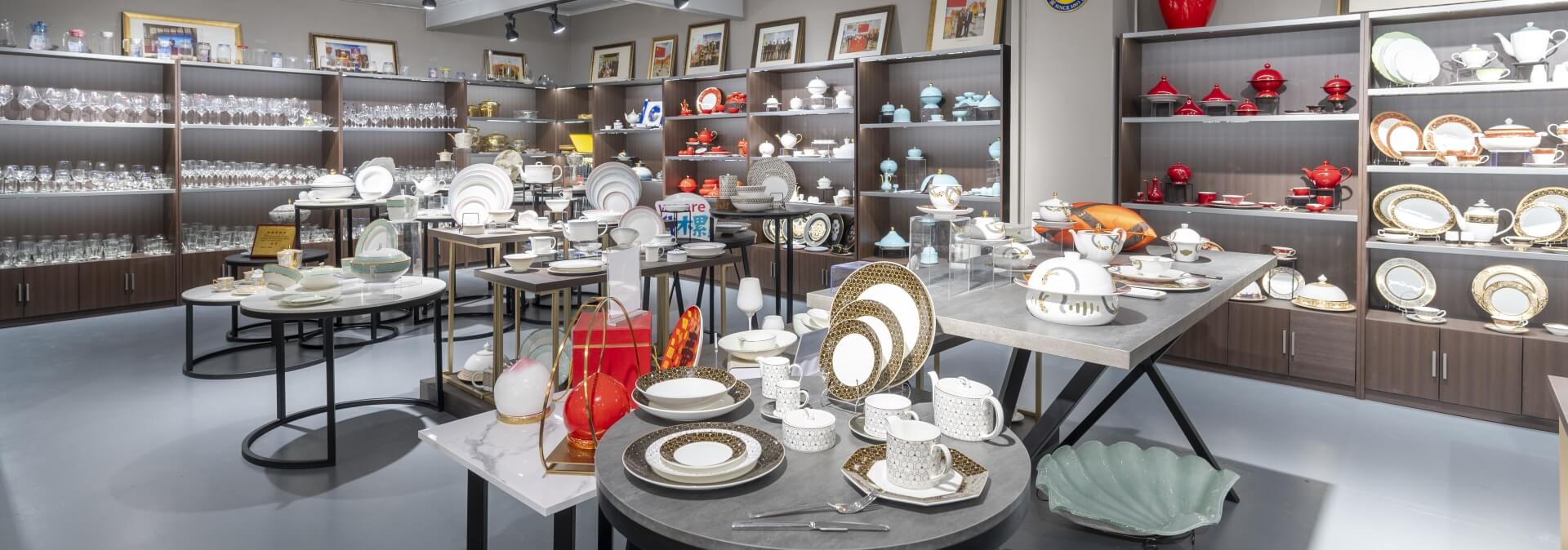
PITO Article
What’s Included in a Tableware List? A Philippines Event Essentials Guide
Quick checklist
A practical tableware list usually covers five groups:
- Dinnerware: plates, bowls, cups, saucers, and service plates or chargers when used in the place setting
- Flatware: forks, knives, spoons, and specialty cutlery
- Glassware and drinkware: water glasses, wine glasses, tumblers, and coffee or tea cups when needed
- Serveware: platters, serving bowls, trays, pitchers, and utensils
- Table accessories: napkins, placemats, tablecloths, runners, and place cards
For everyday dining, a place setting can be very simple: dinner plate, fork, knife, spoon if needed, napkin, and water glass. Formal meals add pieces only when the menu calls for them.
That last point matters. In hotel service, extra pieces are not harmless decoration. They have to be polished, counted, set, cleared, washed, stored, and replaced when they chip or go missing. A table can look complete and still be poorly planned if staff spend the first ten minutes of service removing items guests never use.
For procurement teams, the real question is not “How many items belong on a table?” It is “Which pieces do we need for this menu, this service style, this guest count, and this reset schedule?”
What tableware means
Tableware is the set of items used to set a table and eat or drink a meal. In a narrow etiquette sense, it often means dinnerware, flatware, and glassware. In event planning and hotel operations, the list usually also includes serveware and table accessories because platters, serving bowls, linens, and place cards affect the actual setup.
For event planners, hotels, restaurants, banquet venues, and catering teams in the Philippines, a tableware list is a purchasing and operations tool. It helps the team avoid shortages, reduce dead stock, plan par levels, and set tables that match the menu and service style.
A useful list should answer practical questions:
- Can the banquet team set 200 covers without borrowing pieces from another outlet?
- Do breakfast, buffet, room service, and events share the same base dinnerware?
- Are replacement pieces available later, or will one discontinued pattern become a sourcing problem?
- Do plates fit the dishwasher racks, storage shelves, trolleys, and service trays?
- Does the table setting support the hotel standard without slowing the team down?
This is where a hospitality tableware brand needs to be more than a catalog. PITO works better in this article as a hotel tableware solution brand: a partner that helps buyers connect product choices with outlet operations, banquet formats, material selection, custom design, and long-term replenishment.
Main types of tableware
Most tableware falls into four core categories: dinnerware, flatware, glassware, and serveware. A fifth category, table accessories, completes the guest-facing setup.
Dinnerware: plates, bowls, cups, and saucers
Dinnerware refers to the dishes used by individual guests. Depending on the set, it can include plates, bowls, cups, and saucers. Common pieces include:
- Dinner plates for main courses
- Salad or appetizer plates
- Bread plates
- Dessert plates
- Soup bowls
- Pasta bowls or deeper entree bowls
- Charger plates for formal or decorative settings
A dinner plate is usually the anchor of the place setting. Smaller plates are added according to the menu. For example, a bread plate belongs above the forks on the upper left side of the setting. A charger, also called a service plate in many formal settings, sits under the first-course plate or dinner plate. It is decorative and is not normally used for serving food directly. It is usually removed before dessert, though the exact timing depends on service style.
For a hotel, dinnerware has to do more than look good in a sample room. It has to survive daily handling, stacking, washing, banquet turnover, and repeated contact with cutlery. A beautiful plate that chips too easily becomes expensive fast. A bowl that looks elegant but does not hold the right portion size creates problems for both kitchen plating and guest perception.
Materials vary. Porcelain and bone china are common for hotels and formal dining because they look refined and coordinate well across courses. Stoneware has a warmer, more casual feel for cafes and relaxed restaurant concepts. Glass or specialty finishes can work for Philippine banquets, themed events, display tables, and catered receptions where presentation matters.
PITO’s range includes Bone China, Fine Porcelain, Royal White Porcelain, plates, bowls, cups, accessories, and custom design options such as shape, decal, logo, and packaging. For a hotel project, those categories should not be chosen in isolation. Start with the operation: all-day dining, banquet, breakfast, room service, VIP dining, or a signature outlet. Then choose the material, shape, and decoration that can handle the job.
Flatware: forks, knives, and spoons
Flatware usually means the knives, forks, and spoons used for eating. In everyday event planning, it is often used interchangeably with cutlery, although some dictionaries and hospitality contexts use cutlery more narrowly for knives or cutting tools. A basic setting usually needs:
- Dinner fork
- Dinner knife
- Spoon, if the menu requires one
More detailed menus may require salad forks, fish knives, soup spoons, dessert spoons, dessert forks, butter knives, or oyster forks.
The standard Western arrangement is straightforward. Forks usually go on the left. Knives and spoons go on the right. Knife blades face inward toward the plate. Utensils are arranged in the order of use, from the outside in.
There are a few exceptions. An oyster fork, when used, is traditionally placed on the right. Dessert utensils may be placed horizontally above the plate, or they may be brought out with dessert. If they are set above the plate, the dessert fork handle points left and the dessert spoon handle points right. In a more traditional formal setting, the spoon sits above the fork.
The menu should decide the flatware, not the other way around. If soup is not served, do not set a soup spoon. If dessert is plated and served with cutlery later, you do not need dessert utensils on the table from the start.
From an operations point of view, over-setting flatware creates extra washing, sorting, polishing, and counting. It also increases loss in off-site catering. Banquet teams should build flatware lists by event type: breakfast, plated lunch, Chinese banquet, Western set dinner, buffet, cocktail reception, and VIP table service.
Glassware and drinkware: water glasses, wine glasses, and beverage cups
Glassware covers water, wine, cocktails, champagne, juice, beer, tea, and coffee service. For most meals, the water glass is the first piece to plan. It is placed at the upper right of the setting, above the knife or slightly to the right at about a 45-degree angle.
Additional glasses depend on the drinks being served:
- Red wine glass
- White wine glass
- Champagne flute or coupe
- Cocktail glass
- Beer glass
- Juice glass
- Coffee cup or tea cup with saucer
Wine glass placement is not as fixed as fork and knife placement. A common formal setup places glasses in the upper right area, grouped around the water glass and arranged by service order. Some settings place the white wine glass closer to the guest because white wine is often served earlier, with the red wine glass slightly above or behind it. Other layouts use a triangle or diamond shape to save space.
For commercial service, clarity matters more than copying a single diagram. Give guests the glasses they need, keep the layout easy to reach, and remove glasses after the relevant course when appropriate.
Hotels also have to think about breakage rates, polishing time, bar and banquet sharing, and transport. A wedding package with three glasses per cover may look premium, but it also needs more racks, more back-of-house staging space, and more staff time before doors open.
Serveware: platters, bowls, trays, and serving tools
Serveware is used to bring food and drinks to the table or buffet. It includes:
- Serving platters
- Serving bowls
- Trays
- Gravy boats and sauce dishes
- Butter dishes
- Pitchers and carafes
- Cake stands
- Tongs, ladles, serving spoons, and carving utensils
For restaurants, hotels, banquet halls, and caterers in the Philippines, serveware affects both presentation and workflow. A hotel buffet needs pieces that hold volume, keep stations organized, and allow fast replenishment. A plated banquet may need fewer guest-facing table pieces but more back-of-house staging items. A family-style meal or catered reception needs durable serving bowls and shared utensils within easy reach.
When choosing serveware, check the food format first. Sauces need pourers or sauce boats. Shared salads need wide bowls and tongs. Roasts or whole fish need platters large enough to look intentional, not cramped.
For HORECA projects, dinnerware and serveware should be planned together. A banquet plate, buffet platter, soup bowl, and coffee cup should not feel like separate purchases from separate worlds. They should work as one operating set across front-of-house presentation and back-of-house handling. This is where PITO can act as a solution partner rather than a supplier that only sends separate product options.
Basic tableware checklist for everyday dining
A basic place setting should be simple, clean, and easy for guests to understand.
Must-have pieces
For one guest, prepare:
- Dinner plate
- Dinner fork
- Dinner knife
- Spoon, if needed
- Water glass
- Napkin
Place the dinner plate in the center. Put the fork on the left. Put the knife on the right, with the blade facing the plate. If a spoon is needed, place it to the right of the knife. The water glass goes at the upper right, above the knife.
This layout works for staff meals, casual restaurant service, breakfast service, and everyday dining. It can also be scaled for weddings, hotel functions, corporate events, and catered meals in the Philippines because it is fast to set and easy to check.
For hotel teams, this basic setting is often the safest starting point for high-volume service. It cuts reset time, keeps training simple, and makes it easier for supervisors to spot missing items during pre-service inspection.
Useful add-ons
Add these only when they serve the menu or guest experience:
- Salad fork
- Bread plate and butter knife
- Dessert fork or spoon
- Charger plate
- Coffee cup and saucer
- Place card
A bread plate goes above the forks on the upper left. A butter knife may rest on the bread plate, usually with the handle toward the right for easy pickup. A charger can make a formal table look more complete, but it should not get in the way of service.
For banquets, add-ons should be checked against staffing and timing. If chargers slow down clearing between courses, the event may need a different service sequence. If coffee cups are pre-set too early, they may collect dust or take up space needed for wine service. The best setup is the one the team can execute cleanly during the event, not only the one that photographs well before guests arrive.
Table linens and accessories
Linens and small accessories shape the table before any food arrives.
Napkins and napkin rings
Cloth napkins are standard for most formal events, hotels, and full-service restaurants. Paper napkins are fine for casual or high-turnover service.
Common napkin placements include:
- To the left of the forks
- In the center of the plate or charger
- Under the forks for a more compact casual setting
- Through a napkin ring for banquets or themed events
For formal settings, many etiquette guides prefer the napkin to the left of the forks or centered on the plate, rather than tucked into glassware. In real service, the choice often depends on table size, service speed, and event style.
Tablecloths, runners, and placemats
A tablecloth gives the table a more formal look and protects the surface. It should be clean, pressed, and sized correctly so it does not sit awkwardly in guests’ laps.
Table runners work well when you want a styled table without covering the whole surface. Placemats define each setting and are useful for casual dining, breakfast service, and restaurants that reset tables often.
For Philippine procurement, do not choose only by color. Check laundering requirements, stain resistance, storage space, and whether the fabric suits the expected number of turns per service, especially for hotels, restaurants, and banquet venues that reset rooms often.
Linens should also be planned with tableware weight, color, and finish. A textured plate may look better on a plain cloth. A white porcelain setting may need a warmer runner or charger to avoid looking too flat in a ballroom. These choices affect brand presentation, but they also affect how quickly the team can reset the room between events.
Formal tableware for events and banquets in the Philippines
Formal dining uses the same logic as basic dining, just with more pieces. The rule is not “more is better.” The rule is “set what the menu requires and what the service team can manage well.”
How a formal place setting works
A formal Western place setting is arranged around the menu. Utensils are used from the outside in. The pieces for the earliest courses sit farthest from the plate.
A typical formal setup may include:
- Charger or service plate in the center
- Dinner fork on the left
- Salad or fish fork placed according to course order
- Dinner knife on the right, blade facing inward
- Fish knife or salad knife, if needed
- Soup spoon on the outer right if soup is served early
- Bread plate on the upper left, above the forks
- Butter knife on the bread plate
- Dessert fork and spoon above the plate, or served with dessert
- Water glass and wine glasses on the upper right
If salad is served before the main course, the salad fork goes outside the dinner fork. If salad is served after the main course, the salad fork may be placed closer to the plate. The same logic applies to knives and spoons.
For hotels and event venues, a formal setting should be tested before it becomes the event standard. Set one full table. Check spacing, guest comfort, plate clearance, wine service access, and how many staff movements are needed between courses. Small problems on one table become big problems across 50 tables.
Glass placement for formal service
Glasses sit on the upper right side, above the knives and spoons. The water glass usually stays throughout the meal. Wine, champagne, or sherry glasses are added according to the beverage program.
When several glasses are used, they may be arranged in a diagonal line, triangle, or compact cluster. The exact red and white wine glass positions can vary by tradition and layout. A useful rule for service teams is to place the glass used first within easiest reach and avoid crowding the setting.
The banquet captain should also consider clearing routes. If glasses are too close together, staff may disturb the setting while pouring or removing empty glasses. If the setting is too wide, guests lose comfort and table conversation suffers.
Choosing tableware for professional use
For professional use, the right product mix has to work for both presentation and repeated service. Buyers are usually balancing appearance, durability, replacement availability, storage, and how easily staff can handle the pieces during busy periods.
For Philippine hotels and restaurants, plain white or lightly patterned dinnerware is often the safest base because it works across menus, breakfast service, banquets, and seasonal promotions. Event teams may want a wider range: classic pieces for weddings and hotel banquets, textured plates for styled shoots, and durable everyday items for rental turnover or off-site catering.
Flatware should feel balanced in the hand and match the venue’s service level. Glassware should suit the beverage menu, but it also needs to survive washing, handling, and transport. For catering and event rental, stackability and replacement consistency can be just as important as design.
PITO can support this decision as a solution partner rather than a simple product source. For a hotel project, that means helping the buyer build a practical assortment: base dinner plates for all-day dining, refined pieces for banquet and VIP service, bowls that match local menu portions, cups for breakfast and coffee service, and custom design options for branded or signature outlets.
Standard sizes to know
Exact dimensions vary by manufacturer, but these ranges are common:
| Item | Typical size |
|---|---|
| Dinner plate | 10 to 12 inches |
| Salad or appetizer plate | 7 to 9 inches |
| Bread-and-butter plate | 6 to 7 inches |
| Dessert plate | 7 to 8.5 inches |
| Soup plate | About 8 to 10 inches in diameter; bowl capacity varies by style |
| Dinner fork | Usually around 8 inches; some patterns run about 7.5 to 9 inches |
| Salad fork | 6 to 7 inches |
| Dinner knife | 8 to 10 inches |
| Water glass | 10 to 16 oz |
| Red wine glass | Commonly has a larger bowl than a white wine glass |
| White wine glass | Commonly has a narrower bowl than a red wine glass |
Use these as planning ranges, not strict rules. Before buying in bulk, check the actual product dimensions against your table size, charger size, dishwasher racks, storage shelves, and service trays.
In hotel purchasing, size also affects portion control. A plate that is too large can make a standard portion look small. A bowl that is too deep may change how a dish is perceived. These details matter when the same menu is served hundreds of times.
Mixing and matching tableware
A fully matched table is not the only option. Casual restaurants, boutique hotels, and event stylists often mix pieces to make the table feel less rigid.
The safest way to mix tableware is to keep one element consistent. That might be the color palette, rim shape, material, or glassware style. For example, white plates can pair well with textured chargers, or modern flatware can sit comfortably beside rustic ceramic bowls if the colors stay controlled.
Avoid mixing pieces that create service problems. Plates should stack safely. Bowls should fit the food portion. Glasses should not be so varied that staff struggle to reset tables quickly.
For hotels, mixing should be planned by outlet and event type. A signature restaurant can use more expressive pieces. Banquet service usually needs a tighter system because the team must set, clear, wash, count, store, and replace pieces at scale. PITO’s custom design options can help create visual difference without forcing the operation to manage too many unrelated SKUs.
Buying tableware for events, hotels, and catering in the Philippines
Before placing an order, answer a few practical questions:
- What meals or courses will be served?
- Is the service plated, buffet, family-style, or cocktail-style?
- How many guests must be served at once?
- How many backup pieces are needed for breakage and washing cycles?
- Will the tableware be transported often?
- Does the design need to match existing stock?
- Can replacements be ordered later?
- Which outlets can share the same base pieces?
- How much storage space is available?
- Do the pieces fit current racks, carts, and shelves?
For professional buyers, the best tableware is not always the most decorative. It is the set that looks right, works with the menu, survives daily handling, and can be replenished when pieces break or go missing.
A hotel tableware plan should usually include three layers:
- Core operating stock for daily restaurant service, breakfast, and common banquet use
- Event or premium pieces for weddings, VIP dinners, tasting menus, and styled setups
- Backup and replacement stock based on breakage, washing cycles, transport, and peak occupancy
This is the point where PITO’s value should be framed as a project solution. The brand can help hotels and HORECA buyers select materials, build a coordinated product mix, customize design details, and keep replacement planning in view from the start. That is more useful to a procurement team than simply choosing good-looking plates one item at a time.
Conclusion
A good tableware list starts with the menu and the service style. For a basic setting, you need only the essentials: plate, fork, knife, spoon if needed, napkin, and water glass. For formal dining, add pieces in the order guests will use them, keeping forks on the left, knives and spoons on the right, blades facing inward, bread on the upper left, and glasses on the upper right.
Do not over-set the table. Guests should see a clear, comfortable arrangement, and service teams should be able to reset it without confusion.
If you are sourcing for an event, hotel, restaurant, or catering operation in the Philippines, use this list as a starting point. Then match the final selection to your menu, guest count, service flow, washing capacity, storage, and replacement plan. PITO’s hospitality tableware range, including porcelain and bone china dinnerware, plates, bowls, cups, accessories, and custom design options, can work as a hotel tableware solution when it is planned around operations instead of treated as a simple product catalog.


LET'S TALK TOGETHER
Lorem ipsum dolor sit amet, consectetur estor adipi isicing elit, sed do eiusmod tempor este uterre incididui unt ut
