




PITO Article
What Size Is a Standard Dinner Plate
When designing a table setting for family, hotels, fine dining establishments, or banqueting services, choosing the right dinner plate size ensures a seamless dining experience and efficient service. One of the most common questions we hear from customers is, “what is the standard dinner plate size for professional food service?”
Let’s break it down, with everything from standard dinner plate sizes to expert advice on how to choose the right dinner plate size for every occasion.
Understanding Standard Dinner Plate Sizes
The standard size of a dinner plate typically measures between 10 to 11 inches in diameter (25.4 to 27.9 cm). However, modern dining trends and tableware design have expanded this range slightly. In fact, some dinner plates typically measure up to 12 inches, especially in upscale or American-style settings.
| Type | Typical Diameter | Best Use |
|---|---|---|
| Appetizer Plate | 6–7 inches | Starters, finger foods |
| Salad Plate | 7–8 inches | Greens, side salads |
| Dinner Plate | 10–11 inches | Main courses |
| Luncheon Plate | 9 inches | Light meals, brunch |
| Dessert Plate | 6–8 inches | Cakes, pastries |
| Bread & Butter Plate | 5–6 inches | Breads, spreads |
| Serving Platter | 12–16+ inches | Shared entrees, roasts |
So, if you’re wondering “how big is a dinner plate?”—a good reference point is 10 inches across for everyday meals and 12 inches in diameter for formal dinner settings.
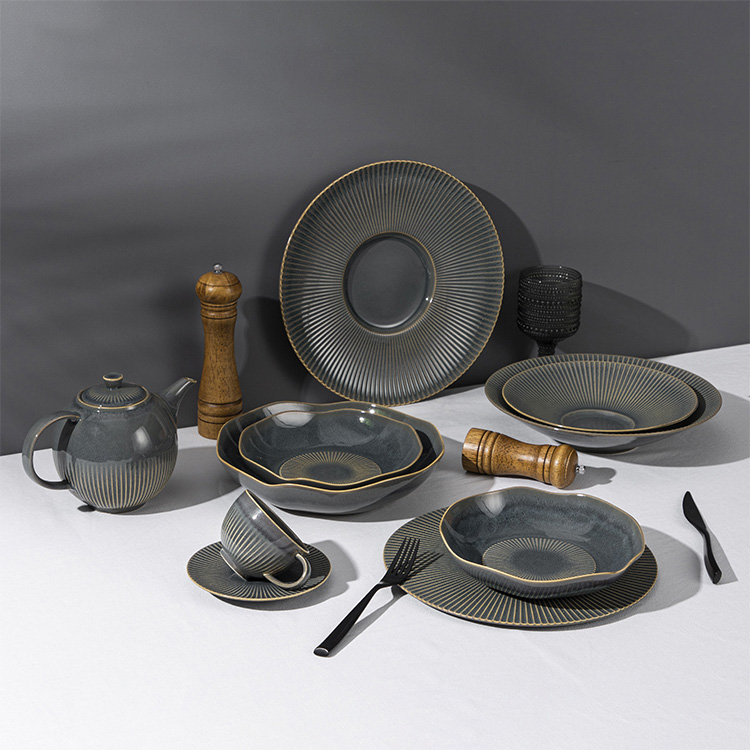
Plate Size Matters
Believe it or not, the size of the plate you choose can impact more than aesthetics. Here’s how:
- Portion Control: A larger plate can encourage overloading the plate, while smaller plates can make portions look more satisfying.
- Dining Experience: Appropriate plate size enhances visual presentation and supports a premium dining atmosphere.
- Cabinet & Dishwasher Fit: Plates over 12 inches in diameter may not fit in standard dishwashers or cabinets.
- Table Setting Harmony: A well-proportioned table setting using appropriately sized plates and bowls improves both function and flow.
Whether you’re planning a cozy family dinner or hosting a lavish dinner party, the impact of plate size should never be underestimated.
A Practical Plate Size Guide by Type
Let’s dig into different types of plates and their common dimensions.
Bread and Butter Plate
Also known as the butter plate, this small dish (typically 5–6 inches) is used for rolls, butter pats, or small nibbles.
Salad Plate
Usually 7–8 inches, a salad plate is designed to hold light greens and side salads—though it’s often used for starters too.
Dessert Plates
Dessert plates are smaller (around 6–8 inches) and ideal for sweets. Using a dedicated dessert plate keeps your dining experience clean and focused.
Appetizer Plate
An appetizer plate is typically 6–7 inches, perfect for tapas, small bites, or cheese tastings. Appetizer plates can be used as versatile side dish holders during big meals.
Luncheon Plate
Falling between a salad and dinner plate, a luncheon plate is around 9 inches and great for brunches or lighter midday meals.
Dinner Plate
As mentioned, the standard dinner plate size is 10 to 11 inches in diameter, but 12 inches is becoming increasingly popular, especially in formal dinner or American dinner settings.
How Material Affects Plate Sizes
Here at Royal Ware, we offer exquisite dinnerware collections in Bone China, Fine Porcelain, and Royal White Porcelain. Material plays a subtle role in how the size of a dinner plate feels and functions.
Bone China Plates
- Sleek yet strong, bone china allows for thinner rims and a larger usable surface within a standard footprint.
- Perfect for both dinner parties and everyday elegance.
- Our bone china plates offer timeless appeal with a slightly more compact profile—ideal when cabinet space is limited.
Fine Porcelain
- Heavier and more durable than bone china.
- Often used in formal dinner settings, where plate size reflects grandeur and table space is abundant.
- A larger size (11–12 inches) is common in our Fine Porcelain series.
Royal White Porcelain
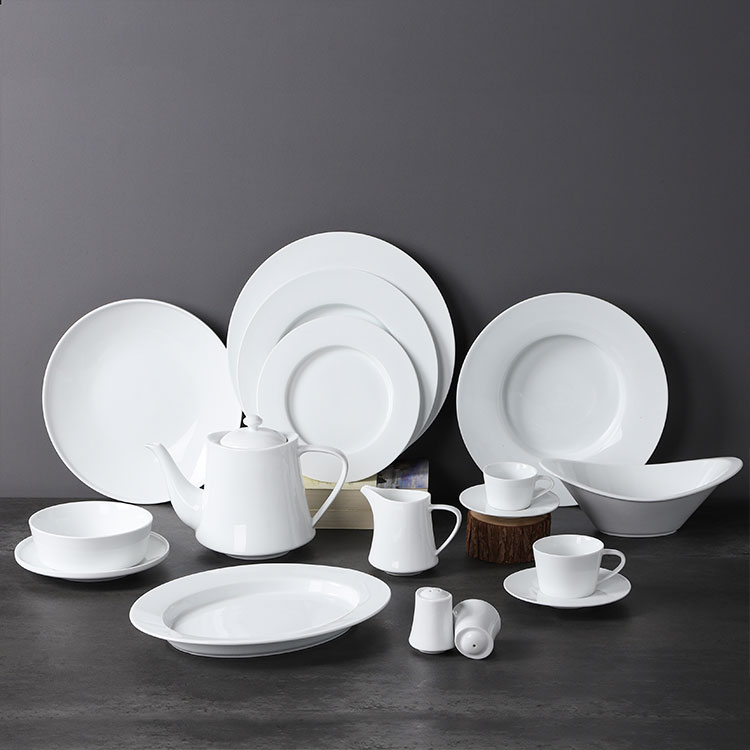
- Known for its clean, bright appearance and versatility.
- Available in a variety of sizes, from appetizer plate to serving platter, to help cater your full meal in style.
Each collection is designed to offer the right plate for every purpose—whether you need to choose the right dinner plate for a formal evening or a family weekday dinner.
Choosing the Right Plate for Your Table
Here are quick tips to select the ideal plate size:
- For daily service in restaurants and cafés: Choose 10-inch plates for versatility and efficiency.
- For fine dining venues or VIP events: Opt for 11–12 inch plates to elevate presentation.
- For buffet or banquet settings: Larger plates (12+”) accommodate generous servings and reduce re-servicing.
- For side dishes or desserts: Keep smaller plates on hand to avoid over-serving.
- For space-conscious kitchen operations: Verify plate size compatibility with commercial dishwashers and standard storage racks.
Need help? Read our guide to dinner plate sizing to make your decision simple and stylish.
FAQs
What is the average dinner plate size?
The average dinner plate typically measures 10 to 11 inches in diameter.
What’s the difference: Dinner Plate vs Luncheon Plate?
A dinner plate is larger (10–12 in), used for main courses. A luncheon plate is smaller (~9 in) and used for lighter meals.
Can I mix and match different plate sizes?
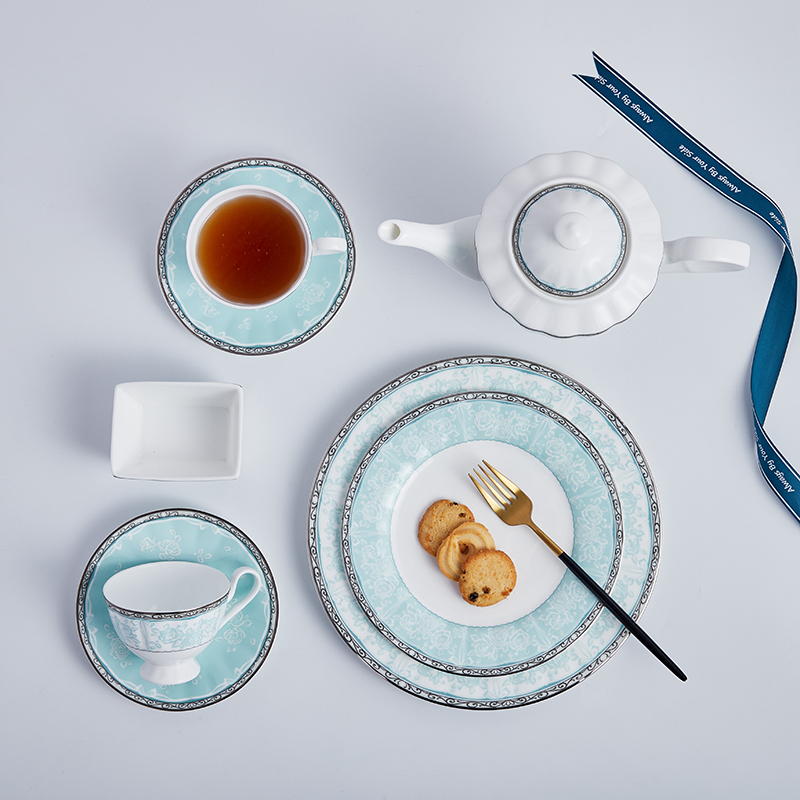
Absolutely. Many prefer to choose plates of different sizes to suit multiple courses—appetizers, entrées, side dishes, and dessert plates.


LET'S TALK TOGETHER
Lorem ipsum dolor sit amet, consectetur estor adipi isicing elit, sed do eiusmod tempor este uterre incididui unt ut
