




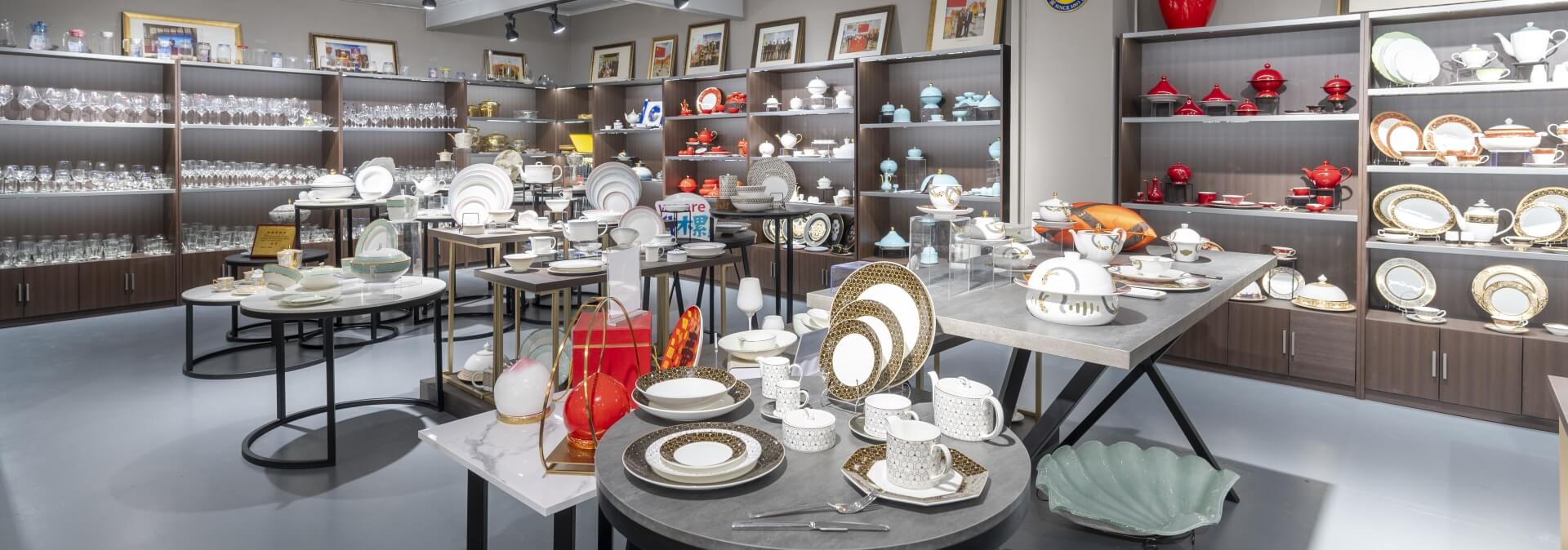
PITO Article
Restaurant Plates: Size, Shape & Material Guide for Foodservice Buyers
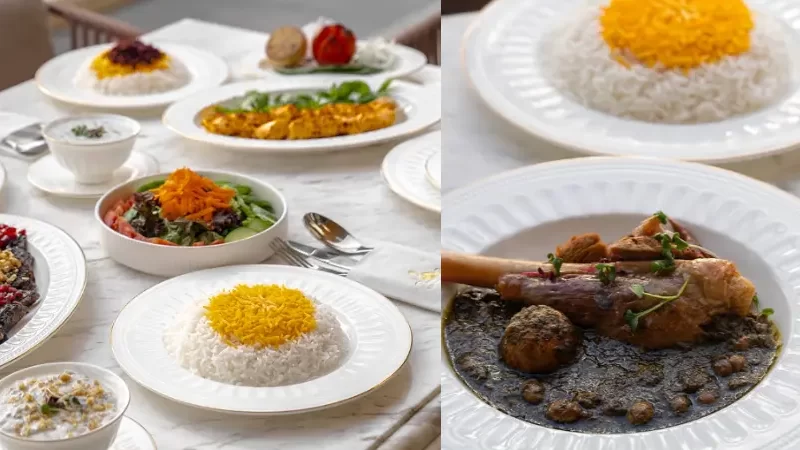
Before choosing a plate from a catalog photo, remember that a plate does more than hold food. In a working kitchen, it has a specific job to do.
Consider a steakhouse plate dragged across trays all night, a hotel breakfast plate washed 200 times a week, and a fine-dining tasting plate that must make a tiny piece of fish look like art. The same word — “plate” — covers three very different jobs.
So here is the simple rule for this guide: choose the plate by its job first, its looks second. We’ll go through size, shape, and material step by step. By the end, you’ll have a clear spec to send for samples and quotes — without a long checklist that’s hard to finish.
P&T Royal Ware makes porcelain, bone china, and royal white porcelain tableware for commercial dining. This guide looks at plates only, so you can build one clean spec at a time. Once the plates are sorted, you can add bowls and cups later.
Key Takeaways for Plate Specification
- Start with the menu. A dinner plate, side plate, bread plate, dessert plate, and deep plate each do a different job.
- Match shape to service. Wide rims help neat plating. Coupe rims suit modern looks. Odd shapes need extra checks for stacking.
- Treat “material” as a fact about a product line, not a promise about a brand. Ask for the exact material, finish, test papers, and sample results for the line you want to buy.
- For wholesale, confirm carton packing, reorder continuity, color tolerance, and replacement stock before you approve a bulk order.
- Test samples in the real path: plating, carrying, washing, stacking, storing.
Start With the Plate’s Job, Not the Catalog Photo
A catalog photo shows you color, rim style, and general shape. That’s it. It can’t tell you if the plate will survive your service.
A steakhouse, a buffet, a hotel breakfast bar, and a fine-dining tasting menu all push the same “plate” in different ways. So before choosing by appearance alone, build a simple plate schedule.
Here’s how. List every dish you serve. Note the portion size, how much sauce, how tall the garnish is, and how the plate travels — banquet, room service, buffet refill, or à la carte.
This one step avoids two common mistakes. Mistake one: buying plates that look attractive but are too large for your storage and tables. Mistake two: buying plates that look fine but conflict with your chef’s plating style or dishwashing flow.
When you’re ready to look at actual products, start with our restaurant plate collections.
Common Restaurant Plate Types and Buying Checks
Suppliers use different names in different markets. So don’t shop by name — shop by dimensions and use case. Here’s a practical framework you can hand to any supplier.
| Plate type | Typical use in foodservice | What buyers should confirm |
| Dinner plate | Main courses, shared dishes, plated entrees | Diameter, rim width, usable food area, weight, stack height |
| Side plate | Appetizers, salads, small portions | Whether the design matches the main plate series |
| Bread plate | Bread service, small sides, tasting portions | Quantity per place setting and replacement need |
| Dessert plate | Desserts, afternoon tea, pastries | Surface space for garnish and sauce work |
| Deep plate or pasta plate | Pasta, risotto, sauced dishes, shallow bowls | Depth, well shape, spoon access, sauce containment |
| Charger or presentation plate | Banquets, fine dining table setting | Decoration durability and whether it contacts food |
These categories overlap. One modern coupe plate might be the dinner plate in one restaurant and the sharing plate in another. That’s why the safest spec lists both the product type and what you’ll actually use it for.
Size: Balance Presentation, Table Space, and Handling
Plate size does more than change how food looks. It changes table spacing, how many fit on a tray, cart capacity, shelf height, carton volume — even how service feels.
Big plates can make portions look refined. But if your staff need more room to carry and stack them, service slows down. On a busy Friday night, every extra centimeter of plate width means one fewer plate per tray.
Ask yourself three questions when you review size:
- Does the plate give the chef enough room for the dish?
- Does it fit the table with glasses, cutlery, and shared dishes?
- Can staff carry, wash, and stack it comfortably during the rush?
A detail many buyers miss: the usable food area matters more than the outer diameter. A wide rim looks premium, but it eats into the center space for food. A coupe plate gives more open surface — but if the dish isn’t planned for that shape, sauce ends up near the edge.
When comparing suppliers, ask for full dimensions, not just diameter. Get the diameter, height, rim width, foot ring size, and approximate unit weight for the exact sample. These small numbers let your team compare plates fairly before you talk bulk pricing.
Shape: Choose a Look That Survives Real Operations
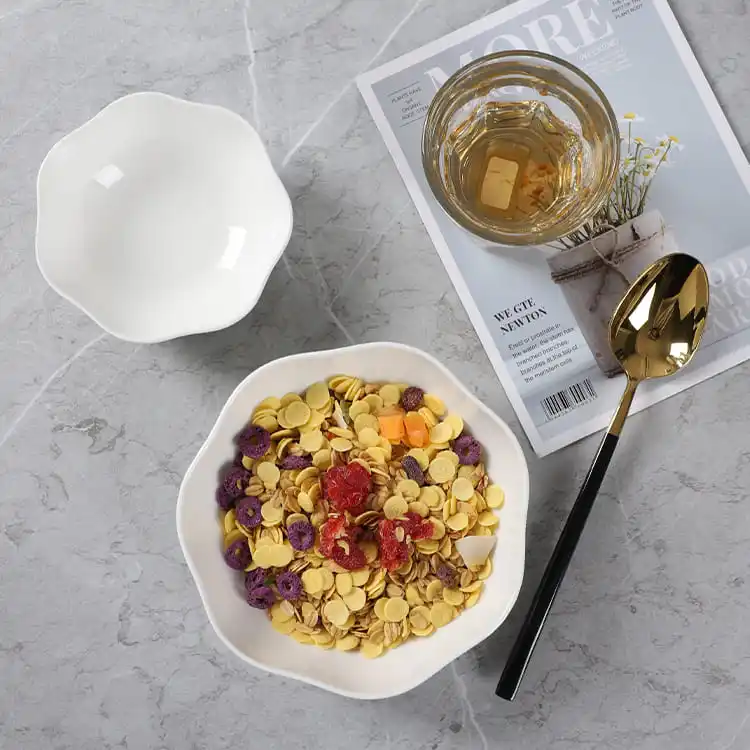
Plate shape carries your restaurant’s visual identity. But it also affects how often plates break or become hard to replace. Keep both points in mind.
Round plates are the safe default. They’re easy to standardize, stack, and reorder across markets. Square, oval, rectangular, and custom shapes can look stronger — but they need closer checks for edge exposure, carton protection, and shelf storage.
Use this shape checklist before you approve anything:
- Round plates: easy to stack, wash, and use across a broad menu.
- Coupe plates: modern look, handy for casual fine dining and contemporary hotel concepts.
- Wide-rim plates: a tidy frame for plated dishes, but less usable food area.
- Oval plates: good for fish, grilled items, shared plates, and banquet service.
- Rectangular plates: strong look for appetizers or tasting portions, but check the corners.
- Custom-shaped plates: great for brand identity, but test them in service and plan reorders early.
If you want a distinctive shape, test it the way staff will actually move it. A plate may look excellent in a tabletop photo but feel awkward on a tray, in a rack, or during fast table clearing. For example, our custom-shaped ceramic plates should be carried, stacked, and cleared a few times before you say yes.
Material: Porcelain, Bone China, and Other Options
Buyers often use “ceramic,” “china,” and “porcelain” as if they mean the same thing. They don’t. For purchasing, the exact material matters, because it changes weight, color, translucency, chip resistance, decoration options, and perceived value.
P&T Royal Ware works mainly across bone china, fine porcelain, and royal white porcelain. Judge each line by its own spec, intended use, and sample performance — not by the family name.
| Material option | Practical buyer use | Points to verify |
| Fine porcelain | Broad hotel and restaurant tableware programs | Body color, glaze finish, stackability, product-line test documents |
| Bone china | Premium dining, hotel tea service, upscale table settings | Translucency, whiteness, decoration method, care guidance for the exact line |
| Royal white porcelain | Buyers seeking a clean white base and brand-specific look | Shape availability, matching pieces, reorder continuity |
| Stoneware-style ceramic | Casual dining or rustic presentation | Weight, water absorption claims, glaze durability, suitability for intended washing |
One warning worth repeating: don’t accept broad claims like “hotel grade” or “chip proof” without product-level proof. Ask what the claim means, which product line it applies to, and how it was tested. You can compare options across our full range of dinnerware for restaurants.
Rim, Foot Ring, and Stackability
The small construction details are usually what decide whether plates hold up after you buy them. The rim, the foot ring, and the stacking contact points affect chipping, surface marks, and washing flow.
A stable foot ring usually means more predictable stacking. But still check whether glaze-on-glaze contact leaves visible marks. A very thin rim may look refined — yet need more careful handling. A heavy rim can feel durable — yet tire staff and add carton weight.
For sample review, stack at least several pieces from the same batch if you can. Check whether the stack leans, whether plates rub at decorated areas, and whether staff can separate them easily when wet. This takes two minutes and tells you more than any photo.
Color, Finish, and Decoration for Commercial Use
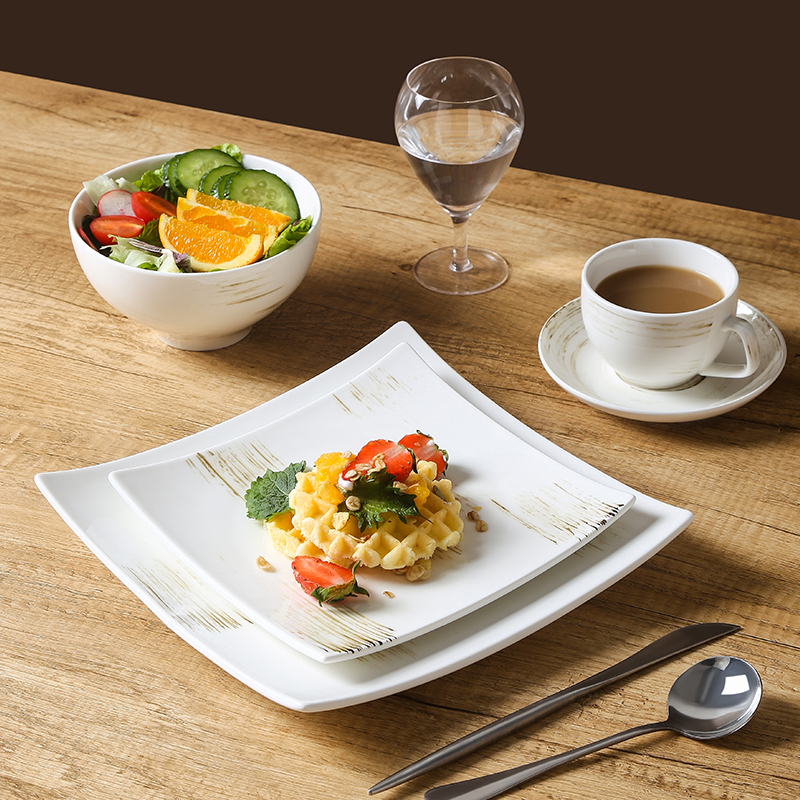
White plates stay common in foodservice for a simple reason: they show food clearly and are easy to coordinate across replacement orders. Colored glazes, matte surfaces, and decorated rims can build identity — but they need stronger approval discipline.
Ask the supplier to clarify:
- Whether the color stays stable across production batches within an agreed tolerance.
- Whether the decoration is underglaze, inglaze, on-glaze, decal, hand-applied, or another method.
- Whether metallic decoration has usage restrictions.
- Whether matte or textured finishes need special cleaning guidance.
- Whether the exact product line suits your intended dishwasher and service environment.
If you want both visual identity and operational stability, keep high-volume plates simpler. Save the expressive shapes or colors for specialty dishes. That gives you a stronger look without making every replacement order difficult to manage.
How to Compare Restaurant Plates Wholesale Quotes
Wholesale buying is not only a unit-price comparison. Two quotations can look similar while hiding big differences in packing, replacement support, material, decoration, and inspection scope.
Use this RFQ checklist when you ask for restaurant plates wholesale:
| RFQ item | Why it matters |
| Exact material and product line | Prevents broad material claims from replacing real specifications |
| Size, height, rim, and weight | Helps compare real usability, not only appearance |
| Decoration and finish method | Affects care guidance, cost, and long-term look |
| MOQ and reorder policy | Important for hotel groups, distributors, and private label buyers |
| Sample cost and sample lead time | Must be confirmed by supplier for the exact project |
| Bulk packing method | Affects freight, damage control, and warehouse handling |
| Inspection criteria | Reduces disputes over color, pinholes, warpage, and glaze issues |
| Product documentation | Supports importer, distributor, and market compliance review |
P&T Royal Ware can discuss OEM and ODM plate programs for buyers who need custom shapes, logo application, or coordinated place settings. Confirm the applicable MOQ, sample plan, and documentation for the exact line before you approve the final order.
Sample Testing Before Bulk Orders
Don’t approve samples by desk review alone. They should move through the same handling path as your real plates.
A practical sample test looks like this:
- Plate the actual menu items on the sample.
- Carry the plate on the tray type your staff uses.
- Wash the plate using your normal process, if you can.
- Stack wet and dry plates to check separation and stability.
- Inspect edges, rims, foot rings, and decorated areas after handling.
- Compare the sample against your target table setting and lighting.
For importers and distributors, also think about carton labels, barcode needs, private label packaging, and replacement SKU logic. A plate that performs well in service but is inconsistent at the SKU level can still cause after-sales problems.

Internal Linking and Replacement Planning
Restaurant plates rarely sit alone in a purchasing program. They connect to bowls, cups, accessories, and replacement stock. If you’re building a full opening order, use the broader restaurant dishes checklist for new restaurants once plate selection is clear.
For material-level decisions, the porcelain crockery buying guide for restaurants helps you compare porcelain planning across more categories. Treat the plate spec in this article as one line of your full tableware plan.
Replacement planning deserves attention from day one. Ask whether the plate series will stay available, whether slight color or shape variation can occur across batches, and how the supplier handles follow-up orders. This matters most for hotels, restaurant chains, and distributors that need consistent SKUs across many purchase cycles.
P&T Royal Ware works with B2B buyers who need commercial dinnerware for hotels, restaurants, distributors, and private label projects. The fastest brief includes your target market, menu style, preferred material, target price range, expected order quantity, decoration needs, and sample timeline.
Buyers can review P&T Royal Ware product categories or go straight to the plates category before sending a plate brief. If the project needs custom shape, logo, or OEM/ODM development, prepare reference images and intended-use notes so the factory can answer with a more accurate recommendation.
To request samples or a plate quotation, contact the P&T Royal Ware factory team with the plate type, material preference, target market, and quantity range.
FAQs About Restaurant Plates
What material is best for restaurant plates?
Porcelain is a common choice because it supports a clean presentation, broad shape options, and commercial programs. But the best material still depends on the exact product line, service style, budget, and how the sample performs.
Are porcelain plates suitable for restaurants?
Yes, when the selected line is built and verified for your foodservice use. Confirm product specs, care guidance, stackability, and sample handling results before you order in bulk.
What should buyers check before ordering restaurant plates wholesale?
Check dimensions, material, finish, decoration method, MOQ, packing, replacement availability, inspection criteria, and product-level documentation. Do a physical sample review before bulk approval.
Should a restaurant use one plate size or several sizes?
Most programs need several sizes. Main courses, bread service, appetizers, desserts, and shared dishes all do different jobs. Let your menu and service model decide the exact mix.
Conclusion
The best restaurant plates are chosen through a clear spec, not by looks alone. Define the menu use, plate size, shape, material, finish, stacking behavior, replacement path, and documentation needs before you approve a bulk order.
For B2B buyers, the goal is a plate program that looks right on the table and works smoothly in daily service. P&T Royal Ware can support sample selection, OEM/ODM plate development, and coordinated porcelain dinnerware programs for restaurants, hotels, importers, and distributors.


LET'S TALK TOGETHER
Lorem ipsum dolor sit amet, consectetur estor adipi isicing elit, sed do eiusmod tempor este uterre incididui unt ut
