




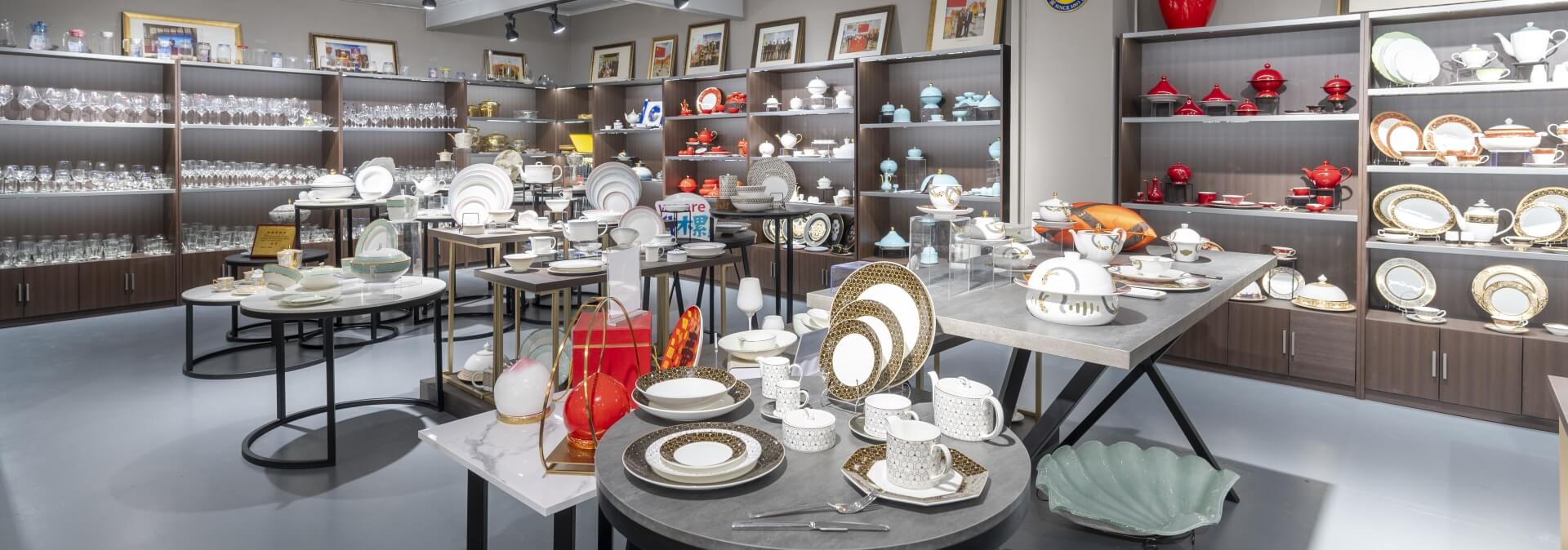
PITO Article
How to Wholesale Restaurant Tableware
Restaurant Dinnerware Wholesale refers to the large-scale procurement of tableware specifically engineered for the hospitality sector. Industry operators and management professionals utilize high-quality dinnerware to manage operational expenditures, reinforce brand identity, and enhance guest satisfaction. Empirical data suggests that variables such as chromaticity, design, and sustainability directly influence guest perception of the culinary experience.
Validated suppliers, such as PITO, provide consistent quality and innovative solutions tailored to contemporary hospitality requirements.
What Is Restaurant Dinnerware Wholesale
Restaurant dinnerware wholesale refers to the way hospitality businesses source tableware in volume to support high-frequency, high-intensity service environments. Rather than focusing on individual pieces, operators prioritize consistency, durability, and long-term availability across plates, bowls, cups, and service items. Organizations adopt this procurement strategy to access a diversified product range, maintain stringent quality standards, and support institutional brand imagery. Bulk acquisition also facilitates customization and the integration of sustainable options, which are increasingly critical in the modern hospitality landscape.
Wholesale vs. Retail Dinnerware
Wholesale and retail dinnerware serve distinct market requirements. Wholesale dinnerware is designed for professional operators who require consistency at scale. In contrast to retail purchases, wholesale buyers focus on uniform appearance across service periods, long-term durability under commercial use, and the ability to customize elements such as logos, glazes, or dimensions to match brand standards. Wholesale suppliers provide competitive pricing structures, volume-based discounts, and specialized logistical solutions. Conversely, retail dinnerware is intended for individual consumers or small-scale applications, typically offered in limited sets without professional-grade customization or cost efficiencies. Restaurant Dinnerware Wholesale offers strategic advantages, including reduced unit costs, resilient supply chains, and immediate access to emerging tabletop trends.
Engagement with wholesale suppliers like PITO enables establishments to maintain aesthetic uniformity across multiple locations, thereby reinforcing brand recognition.
Types of Dinnerware for Restaurants
Professional hospitality environments rely on a structured range of dinnerware categories to support different service functions. These typically include core dinnerware, drinkware, and specialized service pieces, each serving a distinct operational purpose. Each category performs a distinct function within the professional dining environment.
Dinnerware encompasses plates, bowls, and specialized service vessels. Drinkware includes glassware, cups, and mugs. Specialty items comprise unique service pieces required by cafes or bars. Restaurant Dinnerware Wholesale suppliers maintain extensive inventories to accommodate diverse venue requirements, ranging from haute cuisine to casual dining environments.
Benefits of Restaurant Dinnerware Wholesale
Cost Savings and Bulk Options
Restaurant Dinnerware Wholesale provides significant fiscal advantages for hospitality enterprises. High-volume procurement facilitates access to reduced unit pricing and tiered supplier discounts. In practical operations, wholesale sourcing often allows hospitality businesses to achieve meaningful cost efficiencies, particularly when managing replacement cycles and large-scale service volumes. These savings contribute to more predictable operating budgets and improved margin control. These efficiencies contribute to the stabilization of operational costs and the improvement of profit margins. Furthermore, bulk procurement optimizes inventory management, reducing the frequency of reordering and mitigating the risk of stock depletions during peak operational periods.
Bulk acquisition serves a dual purpose: achieving fiscal efficiency and ensuring a continuous supply of essential hardware, which is vital for operational continuity.
Customization and Branding
Customization is one of the most strategic advantages of working with professional wholesale suppliers. For hospitality brands, tailored dinnerware is not purely decorative—it becomes an extension of brand identity across every service interaction. Wholesale manufacturers offer a comprehensive suite of customization options, including color, dimensions, glaze types, branding application, and specialized packaging. The following table details common customization parameters:
| Customization Aspect | Details |
|---|---|
| Color | Classic, vibrant, monochromatic, or gradient |
| Size | Diverse dimensions for specialized applications |
| Glaze | Transparent, matte, glossy, or textured |
| Logo | Professional branding application |
| Package | Bespoke packaging solutions |
Establishments may also specify premium materials, such as porcelain and stoneware, and select geometries aligned with their conceptual themes. Customized dinnerware serves to elevate the guest experience and solidify the restaurant’s market position.
Variety and Quality
Wholesale suppliers provide an expansive selection of products designed to meet multifaceted operational needs. Leading hospitality-focused manufacturers rely on carefully selected raw materials and tightly controlled production processes to ensure consistency at scale. Multi-stage manufacturing and layered quality inspections help maintain durability, visual stability, and professional finish across large production volumes.
This dedication to quality ensures mechanical durability, aesthetic consistency, and a professional finish. Establishments benefit from design innovation, frequent product launches, and the assurance of adherence to industrial standards.
Choosing the Right Dinnerware Material
Bone China vs. Porcelain
The selection of dinnerware material constitutes a strategic decision for hospitality professionals. Bone china and porcelain remain the primary standards within the industry, each offering specific advantages regarding aesthetics, durability, and cost-effectiveness.
| Attribute | Bone China | Porcelain |
|---|---|---|
| Appearance | Warm, translucent, creamy white | Cooler white, high opacity |
| Durability | High strength-to-weight ratio, resilient | Robust, heavier, susceptible to chipping |
| Price Range | Premium, reflecting complex manufacturing | Economical, suited for high-volume use |
| Perceived Value | Luxury, prestigious, 5-star standard | Functional, reliable, standard service |
| Suitability | High-end luxury, fine dining, VIP service | Standard hospitality, cafés, daily use |
Bone china incorporates bone ash, resulting in a lighter body with higher strength-to-weight performance and refined translucency. For high-end hospitality environments, this balance of elegance and durability often translates into lower long-term replacement rates. This composition facilitates lower breakage rates, thereby reducing long-term replacement expenditures. Porcelain is frequently selected for its versatility and cost-efficiency, making it suitable for environments requiring a balance of aesthetic appeal and practical utility.
Durability and Style Considerations
In high-traffic hospitality environments, mechanical resilience is not optional—it directly affects service continuity, replacement costs, and overall operational efficiency. The following table summarizes the durability ratings and functional benefits of standard dinnerware materials:
| Material | Durability Rating | Benefits | Maintenance Protocols |
|---|---|---|---|
| Porcelain | Moderate | Aesthetic versatility | Generally dishwasher-compatible |
| Bone China | High | Chip-resistance, ergonomic weight | Primarily dishwasher-safe; verify delicate items |
| Melamine | Very High | Maximum durability, fiscal efficiency | Typically dishwasher-compatible |
| Stoneware | High | Robustness, versatile application | Generally dishwasher-safe; consult guidelines |
| Ironstone | High | Structural integrity, affordability | Majority are dishwasher-compatible |
Aesthetic alignment is also a critical factor in material selection. Dinnerware must correspond with the establishment’s ambiance and thematic direction. Strategic selection enhances culinary presentation and reinforces the dining environment’s character.
- Neutral white dinnerware suggests classic elegance and timelessness.
- Bold palettes and patterns facilitate a modern or avant-garde atmosphere.
- Non-traditional geometries, such as square or triangular forms, provide contemporary appeal.
- Dark-toned slate can complement diverse themes and heighten visual contrast.
A cohesive tabletop aesthetic reinforces the establishment’s brand and elevates the collective guest experience.
How to Source Restaurant Dinnerware Wholesale
The procurement of professional dinnerware necessitates a structured methodology. Management must define specific requirements, evaluate customization potential, and validate supplier credentials to ensure product alignment and brand integrity.
Defining Your Needs and Quantities
Initial phases require a comprehensive outline of business needs. Rigorous planning is essential to prevent inventory imbalances. The following steps facilitate accurate requirement definition:
- Specify required product categories, materials, and aesthetic styles based on the menu and service model.
- Validate supplier qualifications and manufacturing capacity to ensure fulfillment of high-volume orders.
- Confirm that customization capabilities align with brand requirements.
- Conduct a comparative analysis of price, quality, and service levels to determine optimal value.
- Establish a collaborative framework for long-term operational support.
It is advisable to review projected guest traffic and turnover rates to calculate required inventory levels for daily operations and banquet events.
Customization Options with PITO
Strategic customization reinforces brand identity. In practice, experienced manufacturers such as PITO support hospitality brands through structured customization services, enabling operators to develop tabletop solutions aligned with their concept, service style, and long-term expansion plans. The following table details customization services and associated minimum order quantities (MOQ):
| Customization Type | Minimum Order Quantity |
|---|---|
| Bespoke logos/designs | 200 units per size |
| Proprietary Geometries | 500 units |
PITO facilitates the application of corporate branding and the development of proprietary shapes tailored to specific concepts. these services distinguish an establishment and foster a lasting impression.
Customized dinnerware serves as both an aesthetic enhancement and a marketing instrument, increasing brand visibility.
Evaluating Supplier Credentials
The selection of a procurement partner is fundamental to quality and safety compliance. Wholesale suppliers must adhere to rigorous industrial standards. The following table identifies critical certifications:
| Certification | Functional Description |
|---|---|
| HACCP | Hazard Analysis and Critical Control Points; ensures systematic food safety management. |
| ISO 22000 | International standard for food safety management systems. |
| ISO 9001 | Quality management system standard ensuring consistent production quality. |
Procurement professionals should request material safety certificates and third-party food-contact validation reports. These documents certify that the dinnerware is compliant with safety regulations. PITO maintains an extensive portfolio of global certifications, including CE, EU, FDA, LFGB, SABER, BSCI, AEO, and ISO9001, reflecting a commitment to international quality and safety standards.
Documentation should be verified prior to contract finalization to mitigate compliance risks and ensure product reliability.
Finding Reliable Wholesale Suppliers
Where to Search in 2026
Identifying reputable wholesale suppliers requires a strategic approach. It is imperative to define procurement objectives, including product categories, material preferences, design specifications, and volume requirements. This ensures alignment with suppliers capable of meeting exact institutional specifications.
Strategic search phases include:
- Defining procurement parameters (material, style, volume, customization).
- Investigating manufacturer qualifications, export experience, and fulfillment capabilities.
- Assessing the manufacturer’s capacity for brand-specific customization.
- Evaluating cost-to-performance ratios and service levels.
- Prioritizing partners capable of sustained, long-term collaboration.
Reputable manufacturers typically offer comprehensive catalogs, product samples, and professional references.
Direct Manufacturer Outreach
Direct engagement with manufacturers often yields bespoke solutions and streamlined communication. Prominent brands, including PITO, facilitate direct inquiries via official digital channels or at industry events. This methodology often secures more flexible contractual terms, accelerated response times, and the opportunity for proprietary design negotiation. Establishing a direct relationship ensures consistent quality and ongoing technical support.
Direct engagement reflects a commitment to quality and facilitates the development of resilient, long-term partnerships.
Assessing Quality and Certifications
Quality Assurance Processes
Quality assurance is a fundamental pillar of the wholesale dinnerware sector. Leading manufacturers employ structured protocols to ensure adherence to industrial standards. The following table outlines standard quality assurance procedures:
| Quality Assurance Process | Technical Description | Strategic Importance |
|---|---|---|
| Statistical Sampling | Evaluation of a representative fraction against specified standards. | Mitigates the risk of substandard batch acceptance. |
| ISO 9001 Integration | Application of standardized quality management systems. | Ensures consistent compliance with global quality benchmarks. |
| Traceability Systems | Monitoring of production batches for defect resolution. | Enhances operational efficiency and supplier accountability. |
Manufacturers also prioritize specific technical metrics:
- Raw Material Composition: Selection of high-purity materials for durability and finish.
- Mechanical Testing: Assessment of chip and scratch resistance.
- Thermal Shock Performance: Validation of the material’s ability to withstand rapid temperature fluctuations.
- Chemical Safety Analysis: Testing for lead and cadmium migration to ensure food safety compliance.
It is prudent to request samples and quality audit reports prior to high-volume procurement to prevent costly operational errors.
Key Certifications to Look For
Certifications validate that dinnerware adheres to international safety and performance standards. The following table details essential certifications:
| Certification | Professional Description |
|---|---|
| GMP Certification | Validates adherence to Good Manufacturing Practices, including hygiene and facility maintenance protocols. |
| ISO 22000 | A recognized framework for food safety management across the production chain. |
| FSSC 22000 | An expansive certification scheme for food safety systems, ensuring compliance with international regulations. |
Suppliers maintaining these credentials demonstrate an institutional commitment to safety and quality. PITO, for instance, maintains multiple international certifications, reflecting its adherence to global excellence.
Engagement with certified suppliers mitigates regulatory risk and protects institutional reputation.
Comparing Value: Price, Shipping, and Service
Pricing and Bulk Discounts
Management should perform a comparative analysis of pricing structures across various suppliers. Wholesale manufacturers typically offer tiered pricing to incentivize larger orders. Systematic market analysis ensures that quality standards are met at competitive price points.
- High-volume procurement facilitates significant economies of scale.
- Suppliers may offer promotional pricing during specific market cycles.
- Sustained customer relationships may facilitate preferential pricing negotiations.
Wholesale partners often provide flexible terms for expanding enterprises. Management should inquire regarding available incentives and negotiate for optimal contractual terms.
Shipping Options and Timelines
Efficient logistics are essential for maintaining operational continuity. Accelerated delivery reduces downtime and facilitates the timely opening or restocking of establishments.
The supplier provides professional curbside delivery for most equipment and maintains a 1-3 day transit window to the majority of regional locations.
Flexible logistical options, including express and priority services, allow management to align delivery with specific project timelines and budgetary constraints. Real-time tracking and transparent communication further mitigate logistical risks.
Service and Support from PITO
Post-procurement support is vital for long-term operational success. PITO distinguishes itself through a comprehensive suite of client services.
| Support Category | Professional Description |
|---|---|
| Presentation Samples | Bespoke sample kits for institutional presentations |
| Institutional Training | Brand and product technical training for distributors and staff |
| Marketing Support | High-resolution digital assets and marketing collateral |
| Inventory Replenishment | Structured programs to ensure inventory continuity |
| Account Management | Dedicated coordination for pre- and post-sale requirements |
| Design Innovation | Periodic collection updates aligned with global hospitality trends |
PITO further provides:
- Rapid technical and logistical inquiry resolution.
- Professional guidance on material care and regulatory compliance.
- Customized solutions for future procurement cycles.
Robust support systems enable establishments to maintain high operational standards and adapt to evolving market requirements.
Building Long-Term Supplier Partnerships
Negotiating Terms
Successful supplier partnerships are predicated on effective negotiation strategies. Management can enhance their negotiating position by highlighting historical performance and offering collaborative incentives. This fosters credibility and encourages manufacturers to provide preferential terms. Comparative market analysis and the expression of long-term commitment also strengthen the buyer’s position. A balanced approach—incorporating trust-building with a readiness to evaluate alternatives—typically yields the most favorable outcomes.
- Strengthen the negotiating position by presenting past successes and offering incentives.
- Contextualize the manufacturer’s position through comparative analysis and long-term interest.
- Employ a strategic approach by building trust, offering payment priority, and maintaining preparedness to evaluate alternative vendors if necessary.
Transparent communication and clearly articulated objectives facilitate equitable contractual agreements.
Ongoing Support and Training
Leading manufacturers provide more than hardware; they offer integrated support and training to facilitate client success. The following table identifies key service indicators:
| Service Indicator | Standard Benchmark | Operational Value |
|---|---|---|
| Responsiveness | Communication within 24 hours | Ensures informed decision-making |
| Warranty Framework | Defined policies, efficient claims | Protects capital investment |
| Design Consultancy | Technical support, flexible options | Ensures brand alignment |
| Logistical Tracking | Real-time status updates | Reduces operational uncertainty |
| Technical Training | Care protocols, best practices | Optimizes product lifecycle |
Manufacturers offering these services assist establishments in maintaining excellence and adapting to shifting requirements.
Monitoring Supplier Performance
Systematic tracking of supplier performance ensures the maintenance of quality and reliability. Establishments should utilize objective metrics for partner evaluation. The following table highlights critical performance indicators:
| Metric Category | Technical Description |
|---|---|
| Quality Metrics | Evaluation of standards, defect rates, and order accuracy |
| Logistical Performance | Tracking of on-time delivery and fulfillment delays |
| Fiscal and Value Metrics | Evaluation of cost efficiencies and return on investment |
| Service Responsiveness | Assessment of technical support and inquiry resolution speed |
| Compliance and Risk Management | Verification of adherence to legal and regulatory requirements |
Periodic performance reviews and structured feedback loops facilitate resilient supplier relationships and support institutional growth.
Management professionals should adhere to these procurement protocols:
- Establish rigorous quality standards and confirm commercial-grade compliance.
- Analyze the fiscal benefits of bulk acquisition and plan for projected inventory needs.
- Evaluate supplier diversity, service levels, and logistical capabilities.
| Primary Factor | Operational Description |
|---|---|
| Quality | Prevents attrition and reinforces brand imagery |
| Product Range | Provides diverse aesthetics and dimensions for various concepts |
| Client Service | Ensures responsive technical support and efficient transactions |
| Logistics | Guarantees timely fulfillment and operational readiness |
Certified manufacturers like PITO enhance operational efficiency, safety, and sustainability. Establishments should assess specific requirements and partner with validated brands for long-term strategic success. For operators seeking reliable wholesale dinnerware solutions, aligning with experienced partners is a critical component of sustainable growth.
FAQs
How do I choose the best dinnerware material for my restaurant?
Material selection should be based on venue character and guest expectations. Bone china provides sophistication and reduced weight, while fine porcelain offers durability and classic aesthetics. Sustainable options are also available for environmentally focused brands.
Can I customize dinnerware with my restaurant’s logo or design?
Yes. The majority of wholesale manufacturers, including PITO, offer specialized customization services for logos, patterns, and proprietary geometries. Such customization reinforces brand identity and enhances the guest experience.
What is the typical minimum order quantity for wholesale dinnerware?
MOQs are variable based on the manufacturer. PITO typically requires a 500-unit minimum per order. It is recommended to verify these requirements during the initial inquiry phase to ensure compliance with manufacturer standards.
How can I verify the quality of dinnerware before purchasing?
Professionals should request product samples and review certifications such as ISO, FDA, and CE. Reputable manufacturers provide samples for rigorous inspection and maintain documented quality assurance protocols.


LET'S TALK TOGETHER
Lorem ipsum dolor sit amet, consectetur estor adipi isicing elit, sed do eiusmod tempor este uterre incididui unt ut
