




PITO Article
How to Choose the Right Luxury Tableware for Your Hotel
You step into a five-star dining room. The chandeliers sparkle, the air carries the faint aroma of fresh bread, and every table is perfectly set. Yet what often leaves the deepest impression isn’t just the food—it’s the way it is presented. A porcelain plate that gleams under soft lighting, a bone china cup that feels like silk between your fingers—these small details silently shape your experience of luxury.
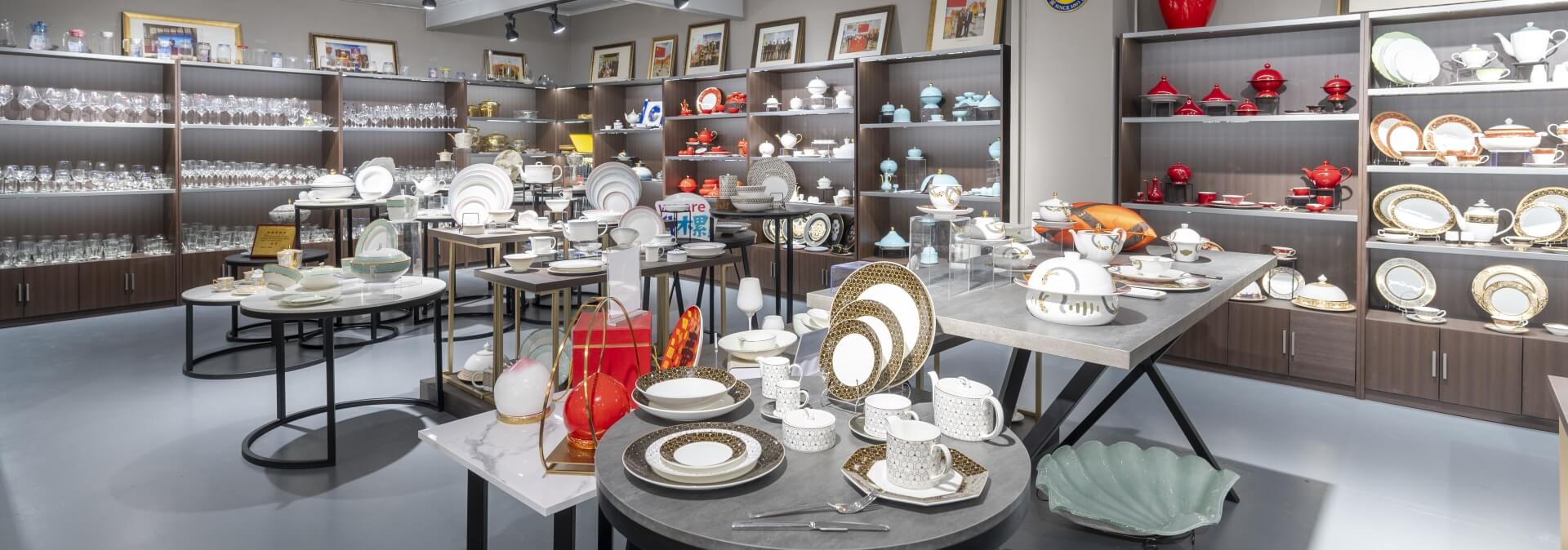
For hoteliers, tableware is not merely an accessory. It’s a statement of identity, a reflection of brand values, and often the first tangible touchpoint a guest encounters. So how do you choose the right luxury tableware that balances elegance, durability, and cost—while also elevating your hotel’s story?
The Role of Tableware in Hotel Branding
Luxury hotels don’t just serve food; they craft experiences. And tableware is one of the most subtle yet powerful tools in that craft.
Think about the last time you dined at a high-end restaurant. Chances are, the plates, cups, and cutlery contributed to how you perceived the meal. A handcrafted porcelain plate tells a different story than a mass-produced ceramic one. A crystal glass communicates a different level of sophistication than standard drinkware.
For hotels, tableware is a form of non-verbal branding. It communicates who you are without a single word. A coastal resort may choose tableware with ocean-inspired hues, while a business hotel might favor sleek minimalist designs that signal efficiency and professionalism. The right choice creates coherence between the dining experience and the overall brand narrative.
If you want to explore how table settings influence hospitality culture, this guide on hotel and restaurant etiquette offers a deeper look.
Material Matters: Porcelain, Bone China, and Beyond
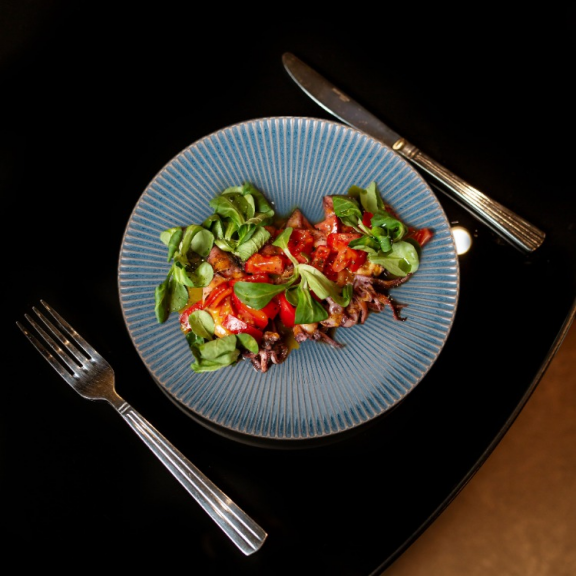
In the world of premium tableware, material determines not only the look and feel, but also durability and value.
- Porcelain: Renowned for its strength and practicality, porcelain withstands frequent use while maintaining elegance. This makes it the ideal choice for hotels and restaurants seeking both durability and refined style. (Learn more about what porcelain is made of).
- Bone China: Famous for its translucency and lightness. Its luxurious appearance makes it a favorite for fine dining, afternoon teas, or any setting that requires an elevated guest experience. Curious about the differences? Here’s a detailed comparison: Bone China vs. Porcelain.
- Stoneware and Earthenware: Less common in luxury hotels but can be used for rustic or boutique concepts that want a homely touch.
- Glassware and Crystal: Essential for completing the table setting. The choice between standard glass and crystal signals the level of refinement.
The decision often depends on context. A breakfast buffet may call for sturdy porcelain, while a signature restaurant might rely on delicate bone china to deliver a sense of exclusivity. For a deeper dive into the material science, see ceramic vs porcelain vs bone china.
Balancing Aesthetics and Functionality
It’s easy to get carried away by how tableware looks. But the reality of hotel operations demands more than beauty.
- Durability: Luxury doesn’t mean fragile. Hotels must ensure their tableware withstands constant handling, dishwashing, and daily use. For instance, understanding how to check the quality of bone china can save hoteliers costly mistakes.
- Ease of Replacement: Can pieces be reordered quickly if broken? Exclusive custom sets look stunning but may create operational headaches.
- Versatility: Plates that can transition from breakfast service to banquets reduce costs and simplify logistics.
Aesthetics must align with functionality. For example, a minimalist Japanese-inspired restaurant may choose tableware with clean lines and neutral colors, while a grand ballroom may lean toward ornate designs that echo tradition. A useful read here is the commercial tableware buying guide, which breaks down practical decision-making.
Sustainability and Modern Hospitality Trends
Today’s luxury is not only about beauty—it’s also about responsibility. Guests increasingly value eco-conscious practices, and tableware plays a role in this perception.
Some hotels are shifting toward eco-friendly tableware:
- Recyclable or sustainably sourced materials.
- Brands that follow ethical production standards.
- Durability to reduce waste from frequent replacements.
Interestingly, studies show that guests often associate sustainability with higher quality. For instance, the hidden costs of cheap tableware are easily overlooked, investing in durable, premium pieces conveys not only responsibility but also a sense of prestige and refined taste.
A Practical Checklist for Hoteliers
While every hotel has unique needs, a few guiding questions can simplify the decision-making process:
- Who are your guests? Business travelers may appreciate efficiency and uniformity, while leisure guests expect indulgence and memorable design.
- What story does your hotel want to tell? Is it about tradition, innovation, or cultural immersion? Your tableware should reflect this narrative. (See how heritage plays a role in blue-and-white porcelain craftsmanship).
- How do costs align with long-term value? A cheaper option may save money upfront but could lead to higher replacement costs. In fact, some restaurateurs view plates as investments, not expenses.
Instead of viewing tableware as a procurement task, think of it as part of your guest experience strategy. Every cup of coffee and every plated entrée becomes an opportunity to reinforce your brand. And if you need product inspiration, you can explore curated collections such as fine porcelain, bone china, or royal white porcelain.
Conclusion: More Than Plates and Cups
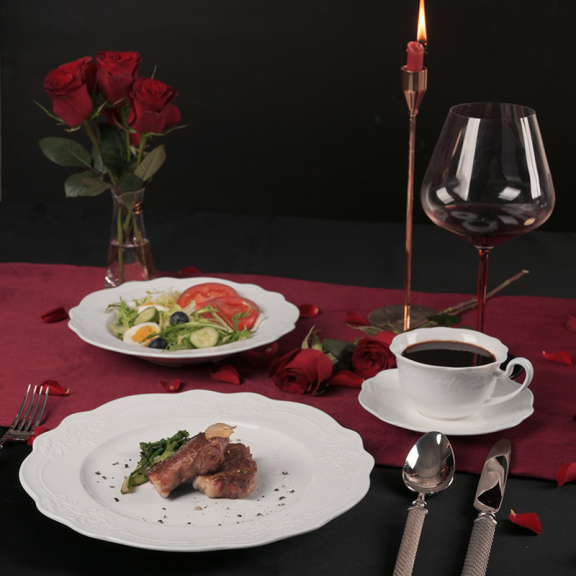
Luxury tableware is far more than a functional accessory on the dining table—it embodies atmosphere, identity, and memory. For hotels, the choice of tableware is not just about practicality, but about creating a seamless sense of luxury where every detail speaks of refinement.
So before placing an order, ask yourself: does this tableware truly reflect the story my hotel wants to tell?
After all, in the world of hospitality, the most lasting impression often comes not from the grandeur of the lobby, the brilliance of the lights, or even the food itself, but from the simple feeling of a plate placed before the guest.


LET'S TALK TOGETHER
Lorem ipsum dolor sit amet, consectetur estor adipi isicing elit, sed do eiusmod tempor este uterre incididui unt ut
