




PITO Article
Commercial Tableware Buying Guide: How to Choose the Right Tableware
Selecting dinnerware isn’t just about function—it’s about the experience you create for your guests. The right plates, bowls, and serving pieces help tell your brand’s story, elevate dish presentation, and keep your operations running smoothly. Whether you’re opening a new restaurant or updating your current setup, choosing wisely can make a lasting impact.
This guide walks you through what to consider when shopping for commercial tableware in 2025. From materials and design to sustainability and cleaning, we’ll help you make choices that are both stylish and practical.
Why Dinnerware Matters for Restaurant Success
Dinnerware plays a surprisingly important role in how guests perceive their meal. A thoughtfully plated dish on a high-quality plate doesn’t just look better—it tastes better, at least in the minds of your customers. Studies show that the way food is presented can influence flavor perception and overall enjoyment.
Beyond appearance, durable tableware cuts long-term costs. Fewer chips, cracks, and replacements mean fewer expenses. And in today’s eco-conscious dining scene, sustainability matters. Choosing green, long-lasting materials not only helps the planet but shows your guests that you care about more than just profit.
Budget Smarter Without Compromising Quality
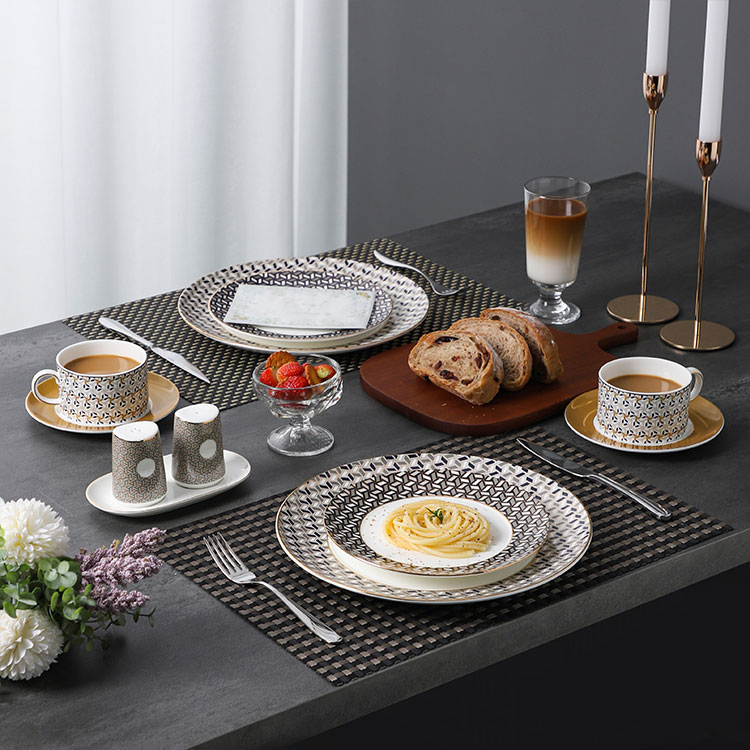
Before you buy, take time to plan your budget carefully. Think about how many pieces you’ll need for daily service, backups, and peak times. It might be tempting to go for the cheapest option, but cheaper materials often wear out faster and cost more in the long run.
Porcelain, while more expensive up front, is a smart investment for many restaurants because of its durability and classic appearance. You can also explore bulk discounts or talk to suppliers about breakage guarantees to stretch your budget further.
Choosing the Right Material for Daily Demands
Different materials suit different environments. Porcelain is a strong, elegant choice that holds heat well and resists stains. Bone china has a lighter, more refined feel—ideal for upscale restaurants.
Tempered glass is a safe and shatter-resistant option, while metal or stainless steel plates are great for busy, high-volume kitchens. If your concept is rustic or casual, stoneware adds texture and warmth. Try to avoid plastic or melamine, as they can be less safe, and may conflict with your sustainability goals.
Match Your Tableware to Your Brand Style
Your tableware should feel like a natural extension of your restaurant’s theme. Sleek, minimalist plates work beautifully in modern or fusion restaurants, while handmade or textured pieces add charm to a rustic or farm-to-table setting.
Color also plays a big role. Neutral tones like white and cream give food center stage, but if your brand leans into earthy, natural tones, you might explore trending colors like terracotta or sage green. The key is to test how your dishes look on the plate. If it makes your food look more vibrant and inviting, you’re on the right track.
Get the Right Size and Shape for Your Menu
Your dinnerware needs to match the portions and style of your dishes. Large plates are perfect for sharing platters or generous entrees, while smaller ones support portion control or multi-course tasting menus.
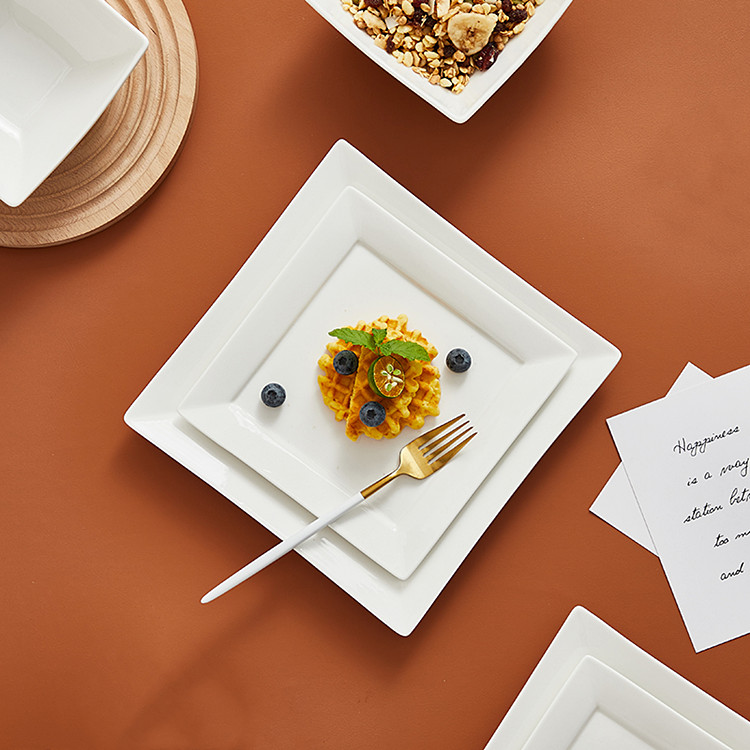
The shape of the plate also influences how food is perceived. Round plates offer a classic feel. Square or oval options feel more contemporary, and rectangular plates are especially popular for Asian dishes like sushi or stir-fried appetizers. Consider how easy each piece is to handle, store, and clean in a fast-paced service environment.
Cleaning, Safety, and Long-Term Use
In commercial kitchens, easy cleaning isn’t optional—it’s essential. Choose non-porous materials that don’t trap bacteria, odors, or stains. Make sure your plates are dishwasher-safe and able to handle high heat without cracking.
Chip-resistant edges and reinforced glazing can help dinnerware last longer. Safety is also key: tempered glass breaks into dull chunks instead of sharp shards, making it safer for both staff and guests. Train your team on proper care routines to help protect your investment.
Before You Buy, Test and Compare
Once you’ve narrowed down your options, request samples and test them during real service. Are they too heavy to carry easily? Do they stack well? Does the color enhance your food’s appearance or clash with it?
Also factor in shipping fees, lead times, and possible import taxes if ordering from overseas. Visiting trade shows or consulting other restaurant professionals can also provide helpful insights before you commit.
Final Thought
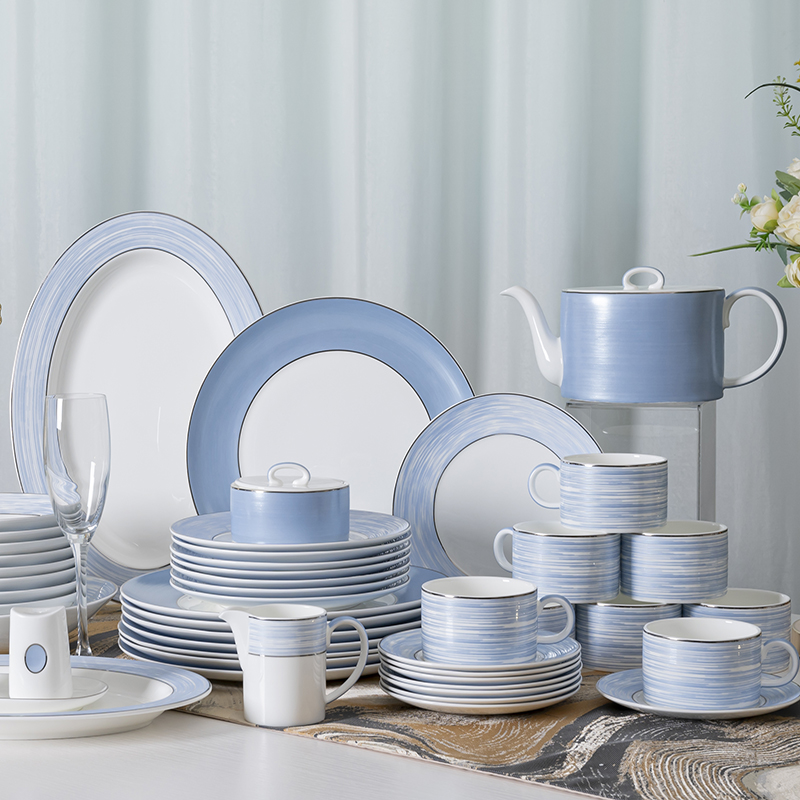
The right tableware isn’t just about looks. It supports your kitchen’s flow, reinforces your brand, and creates a more memorable experience for your guests. In 2025, sustainability, smart investment, and thoughtful design matter more than ever. Take your time, test your choices, and build a table setting that truly reflects your restaurant’s vision.


LET'S TALK TOGETHER
Lorem ipsum dolor sit amet, consectetur estor adipi isicing elit, sed do eiusmod tempor este uterre incididui unt ut
