


PITO Article
HoReCa Tableware Supplier: One-Stop Sourcing for Venues
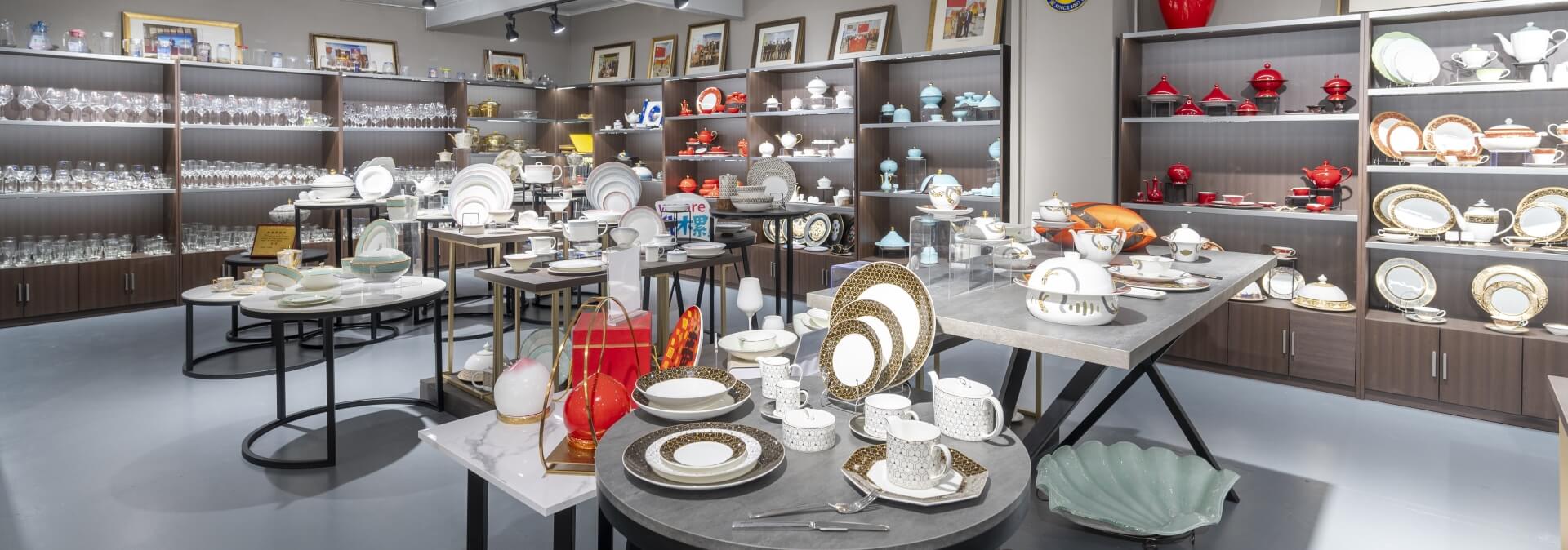
Opening a hotel, restaurant, or cafe means solving the table at every touchpoint. A horeca tableware supplier that handles only one step leaves you stitching the rest together across vendors. This guide explains what a one-stop partner covers and why venues benefit from keeping the program under one roof.
What a One-Stop HoReCa Supplier Offers
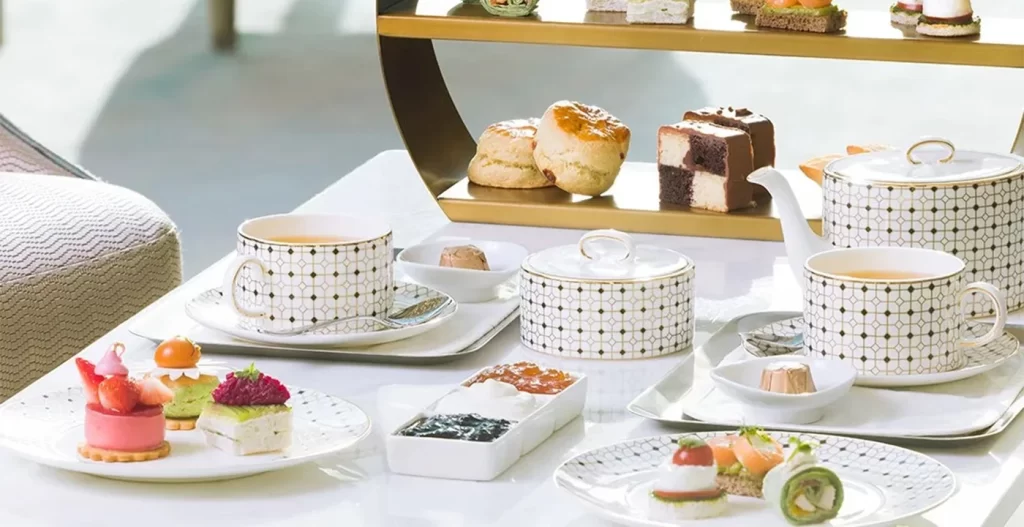
A true one-stop horeca tableware supplier takes the tabletop from idea to reorder. The scope matters more than the slogan, so here is what that covers in practice:
- Design: shape, glaze, and decal built around your brand identity, not a catalog number.
- Material selection: choosing the right body for each outlet, from high-turnover service to fine-dining accent.
- Production: the same plant fires and finishes the order, which keeps the batch stable.
- Quality control: inspection against a locked sample, not a moving target.
- Replenishment: reorders matched to the approved sample so the third shipment looks like the first.
When one partner owns the chain, a change in one step does not stall the others. You talk to people who can scope the project, not a layer that has to ask someone else.
Benefits for Venues
Venues gain something more useful than a lower quote. They gain a single accountable program.
- One point of contact: design, production, and replenishment sit with one team, so a question about a logo or a glaze goes to the same desk.
- Faster sampling: a shape or decal idea turns into a physical sample without a handoff between companies.
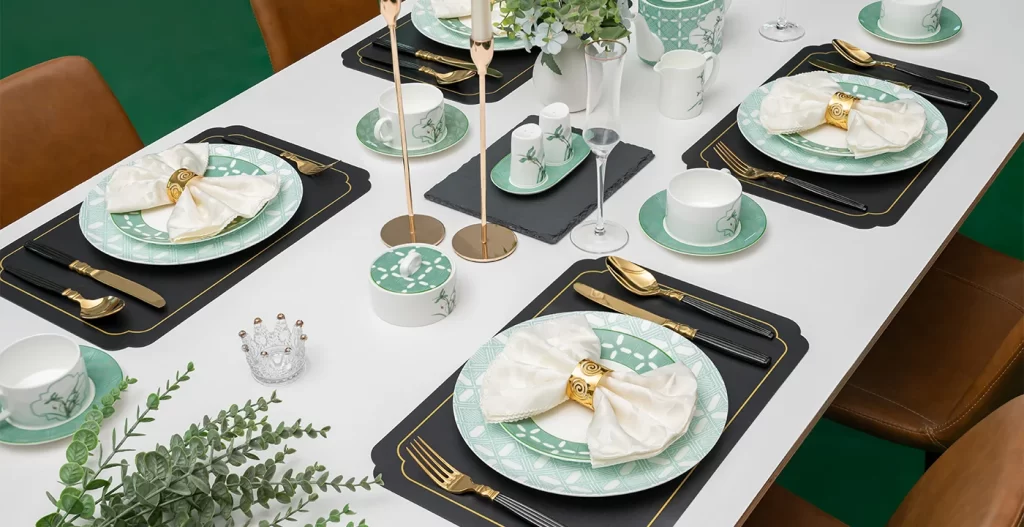
- Consistent look across the property: the same color and finish hold from the dining room to the banquet hall.
- Lower coordination cost: fewer vendors means fewer spec mismatches and fewer delivery surprises.
A hotel tableware supplier that also runs the factory can promise these because the work never leaves the building.
One-Stop vs Piecemeal Sourcing
| Dimension | One-stop supplier | Multiple vendors |
| Sample to production | Same team, fewer handoffs | Design shop, factory, decorator separated |
| Color consistency | Locked to one confirmed sample | Each vendor matches its own reference |
| Reorder reliability | Batch held against original proof | Risk of drift between shops |
| Lead time | One schedule to manage | Several schedules to align |
| Communication | Single accountable desk | Several points, several interpretations |
The table shows where the difference shows up. A banquet tableware program especially feels it, because volume and repeat orders expose any weak link.
How Different Venues Use the Same Program
The same supplier method serves different rooms by changing the material, not the quality tier.
- High-turnover service (buffet, banquet, everyday restaurant): fine porcelain takes repeated washing and stacking without fuss.
- Fine-dining accent: fine bone china brings the thin, light, translucent feel where the plate is part of the presentation.
- Uniform white service: royal white porcelain keeps the whole table on one clean, bright body.
Each material fits a scene. The choice follows the outlet, not a ranking of “better” or “worse”.
PITO is our sister brand under the same manufacturer, Guangdong P&T Porcelain Co., Ltd. The same hospitality tableware program method backs both. For P&T Royal Ware, the work runs as an eight-step flow rather than a static list:
- Concept and menu analysis: we read the menu and service style first, because the food decides the shape and rim.
- Material and shape selection: we pick the body per outlet, then the sizes that fit plating and stacking.
- Custom design: our in-house team develops shape, glaze, and decal to carry your brand.
- Sampling: you get a physical sample to test in real service, not just a render.
- Operational testing: we check stacking, carrying, and the rush-hour path before mass production.
- Production and QC: our own plant and ISO 9001 quality management keep the batch steady.
- Delivery: we plan against seat count and opening date, including par-level guidance.
- Replenishment: reorders match the approved sample, with agents close to your market for restocks.
Products meet FDA, LFGB, BSCI, ISO 9001, and EC requirements, which matters for venues shipping across regions.
Frequently Asked Questions
Q: What does HoReCa mean in tableware sourcing?
HoReCa stands for Hotel, Restaurant, and Cafe. In tableware it means the buyer sources for commercial food service, where volume, washing cycles, and brand consistency matter more than a single home set.
Q: Can a one-stop supplier handle custom logos and shapes?
Yes. Customization covers shape, glaze, and decal from your artwork or sample. Bring a reference and the team scopes lead time and minimum order against it.
Q: How does replenishment stay consistent on repeat orders?
Consistency rests on locking one confirmed sample and repeating the batch process, supported by ISO 9001 as a quality management system. Note that the standard alone does not freeze color; the locked sample and repeatable process do.
Q: Do you support markets outside China?
We work with distributors and agents in several countries, which helps with local restock and opening timelines.
Plan Your Venue Program
Tell us about the property and we will scope the tabletop as a program, not a one-off purchase. Share four things so we can respond well: project type (new opening, renovation, or expansion), service concept (fine dining, banquet, buffet, or cafe), expected quantity (by cover or by seat), and customization requirement (shape, glaze, decal, or brand color).
Contact P&T Royal Ware with those details and we will send the catalog and a sample plan.


LET'S TALK TOGETHER
Lorem ipsum dolor sit amet, consectetur estor adipi isicing elit, sed do eiusmod tempor este uterre incididui unt ut
