




PITO Article
Banquet Tableware Configuration: Plan for Events and Catering
A banquet tableware supplier earns its place when the room seats 300 and every cover must match. Configuration is the plan that turns a catalog into a working event: which pieces, where they sit, and how many to hold in reserve. This guide walks through layout, setup, and the operational details catering teams actually feel.
Why Configuration Matters for Banquets
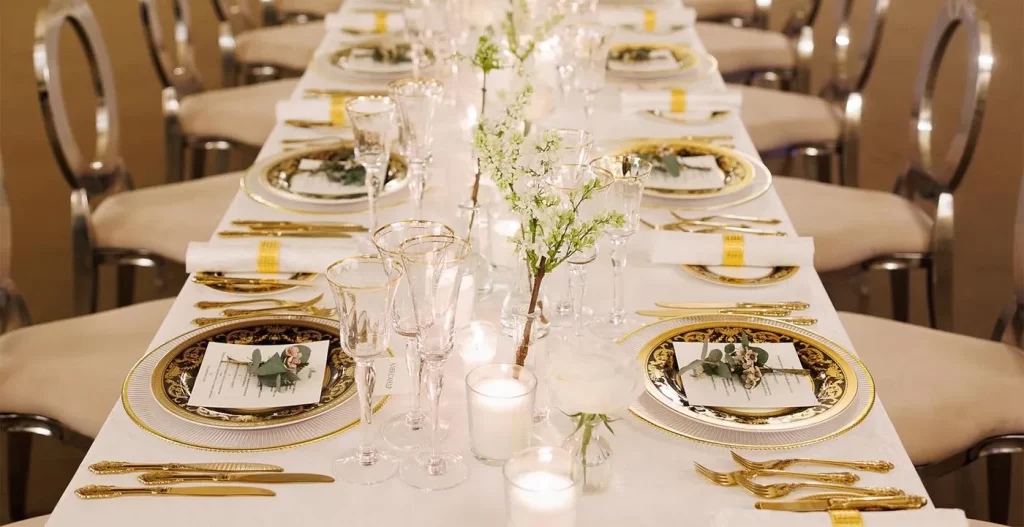
A banquet is repeat service at scale. The right configuration protects three things.
- Visual consistency: every table looks the same, course after course.
- Reset speed: the crew knows the setting, so turnover between seatings stays fast.
- Breakage buffer: planned spares keep a chipped piece from becoming a missing place.
Getting this right before the order is cheaper than fixing it after the first event.
Tableware Layout and Placement
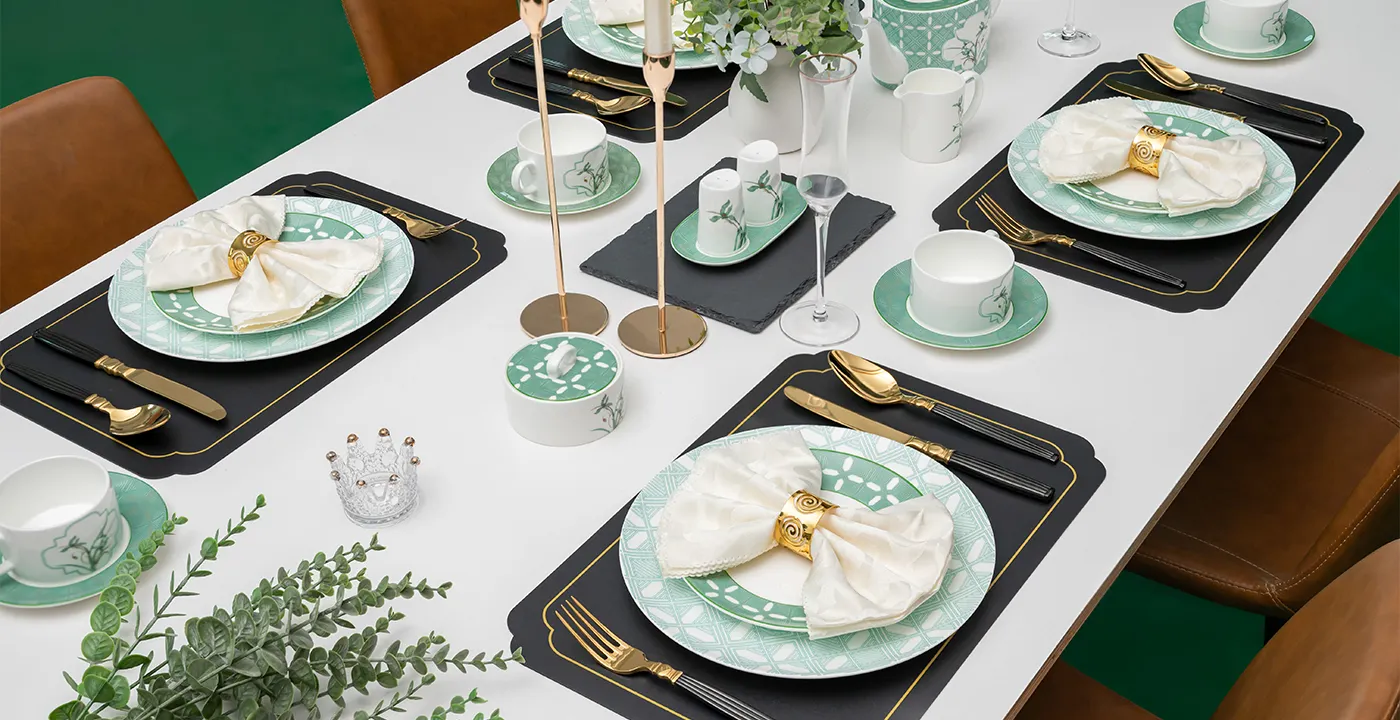
Use this as a starting layout for a standard banquet cover. Adjust pieces to your menu and service style.
| Setting element | Piece | Placement on the table |
| Base layer | Charger or presentation plate | Centered under the first course, removed after |
| Main course | Dinner plate | Center of the place setting, about one inch from the edge |
| Soup or starter | Soup bowl | Resting on the dinner plate or charger |
| Bread or side | Side plate | Upper left of the setting |
| Beverage | Cup and saucer | Upper right, aligned with the spoon |
| Accent | Fine bone china accent piece | Used only on premium seatings, not the full run |
The charger is a presentation layer, not a eating surface, so it can be a different body than the service pieces. That split lets you keep cost down on the high-count items and lift the look only where guests notice.
Step-by-Step Setup Guide
A clean setup sequence keeps the event day calm.
- Count covers and courses: total seats times the pieces each course needs sets the base quantity.
- Choose the setting per course: decide which plate, bowl, and cup each seating uses.
- Set par levels: hold spares for breakage, wash-cycle gaps, and delivery lead time. The spare ratio follows those factors, not a fixed rule.
- Request samples: build one full test setting and check it under banquet lighting.
- Place the production order: lock the sample, then order against it with the event date in view.
- Organize storage and marking: keep event stock separate and labeled so it is found fast.
- Run setup on event day: stage pieces by zone so the reset crew moves in one direction.
Operational Tips for Catering Teams
Crews feel configuration more than planners do. A few habits reduce loss and speed resets.
- Pre-assemble where the menu allows: stack the base layers before guests arrive to cut on-floor time.
- Train the reset crew on the one layout: a single agreed setting removes guesswork during turnover.
- Mind wash capacity: banquet volume can outrun a small dishwasher, so par levels should reflect wash time, not just breakage.
- Account for transport: banquet pieces travel between venues, so stack height and padding matter as much as the piece choice.
Choosing Materials for Banquet Service
Material choice follows the service scene, not a quality ranking.
- High-turnover service: fine porcelain designed for commercial service can withstand repeated washing and stacking when the product specification and washing conditions are appropriate.
- Premium accent: fine bone china adds a thin, light, translucent note on the headline seatings.
- Uniform white service: royal white porcelain keeps the whole banquet on one clean body.
For commercial dishwasher use, performance depends on the body, glaze, decoration, and actual washing conditions. Products intended for machine washing should be specified and tested for commercial use. Metallic decoration such as gold or platinum may require different care instructions, so the product specification should always be checked before placing it into a commercial dishwasher.
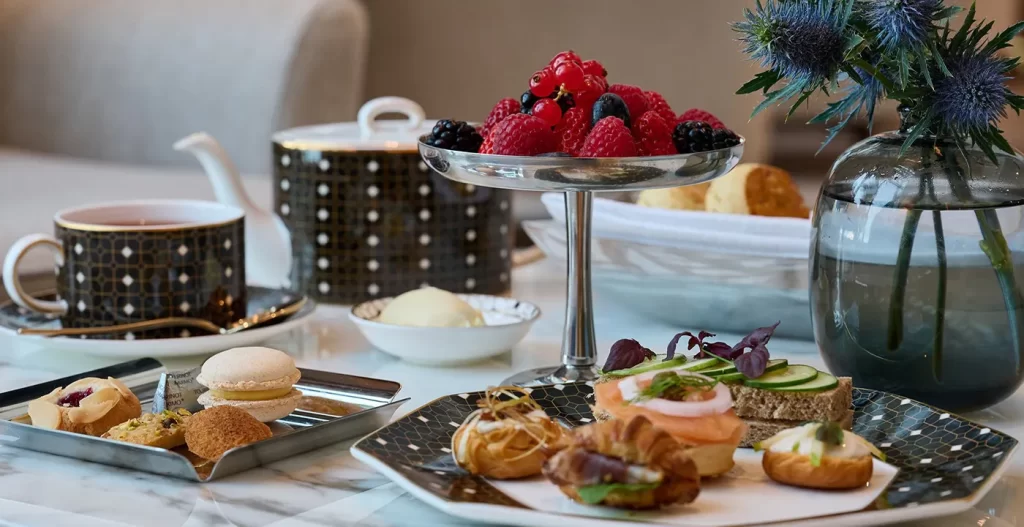
We run banquet programs as an eight-step flow, from first menu read to restock.
- Concept and menu analysis: the menu sets the pieces and rim style.
- Material and shape selection: we match the body to banquet volume and the accent to the occasion.
- Custom design: shape, glaze, and decal carry the venue brand, including custom banquet dinnerware for the banquet calendar.
- Sampling: you test a full setting under real banquet light.
- Operational testing: we verify stacking, carrying, and wash turnaround before mass runs.
- Production and QC: our own plant and ISO 9001 quality management hold the batch steady.
- Delivery: quantities plan against seat count, event date, and par levels.
- Replenishment: reorders match the approved sample so a later event looks like the first.
Our hotel banquet dinnerware supplier programs serve both one-off events and repeating banquet calendars.
Frequently Asked Questions
Q: How many pieces per banquet cover should I plan?
Plan base quantity from seats and courses, then add spares for breakage, wash-cycle gaps, and reorder lead time. The spare ratio is driven by those operational factors, not a fixed percentage.
Q: Can banquet tableware carry our logo or pattern?
Yes. Customization covers shape, glaze, and decal from your artwork or sample. A one-stop horeca tableware supplier can take the logo from design to reorder.
Q: Which material survives banquet washing best?
Washing survival depends on the glaze and trim. A fine porcelain piece with a dishwasher-grade glaze and no metallic band holds up under commercial cycles. Gold or platinum trim should stay out of the machine.
Q: How do large banquet orders stay consistent?
Consistency rests on locking one confirmed sample and repeating the batch process, with ISO 9001 as the quality management system behind it.
Plan Your Banquet Program
Send us four details so we can scope the banquet tabletop: project type (new opening, renovation, or expansion), service concept (banquet, buffet, or fine dining), expected quantity (by cover or by seat), and customization requirement (shape, glaze, decal, or brand color).
For a related read, see our guide to white porcelain tableware for restaurants and hotels.
Contact P&T Royal Ware with those details and we will return a configuration plan and sample pricing.


LET'S TALK TOGETHER
Lorem ipsum dolor sit amet, consectetur estor adipi isicing elit, sed do eiusmod tempor este uterre incididui unt ut
