


PITO Article
Chip-Resistant Dinnerware: How to Verify Vitrified Porcelain Before Bulk Orders
“Durable” is more than a marketing word. When you buy dinnerware for a hotel, restaurant, or distributor, that word has to mean something specific: the material, the edge design, the glaze quality, the packing, the washing use, and the replacement plan.
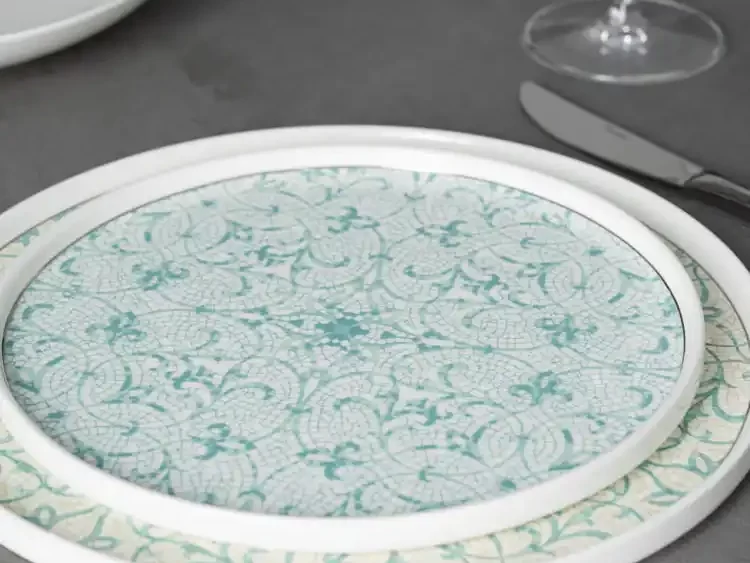
So before you approve bulk production, verify chip-resistant dinnerware through product specs, sample handling, inspection criteria, and real service checks. This guide gives B2B buyers a practical way to evaluate vitrified porcelain plates and related commercial dinnerware before signing a purchase order. It won’t replace product-line testing or supplier documents — but it will help you ask better questions and avoid vague durability claims.
Key Takeaways for Buyers
- Don’t accept “chip resistant” as a standalone claim. Ask what was tested, how, and which product line it applies to.
- Vitrified porcelain can be a strong option for commercial dining, but confirm water absorption, body, glaze, and usage guidance with the supplier’s documents.
- Edge design, foot ring, stacking contact, and packing can affect chipping as much as the material label.
- Sample testing should include handling, washing, stacking, and visual inspection after use.
- Bulk orders need clear inspection standards for chips, cracks, glaze defects, warpage, color tolerance, and packing damage.
What Buyers Mean by Chip-Resistant Dinnerware
Foodservice buyers usually mean tableware that tolerates daily handling in restaurants, hotels, catering, and banquets. That does not mean it can’t chip. Drop it, strike it against metal, stack it carelessly, or pack it poorly, and any ceramic item can break.
So let’s define the term plainly: chip-resistant dinnerware is commercial tableware selected and verified to reduce edge-damage risk under your intended service conditions. That verification covers material, shape, edge design, glaze, washing process, packing, and replacement support.
If your team is still weighing commercial versus home-use expectations, read the guide to commercial dinnerware standards versus retail dinnerware before you lock down durability requirements.
Why Vitrified Porcelain Matters
Vitrification is what happens when a ceramic body gets dense and glass-like enough during firing to cut down porosity. In sourcing discussions, vitrified porcelain plates are associated with durability, water resistance, and commercial use. That is reasonable — but do not treat the phrase as a guarantee until the supplier can explain and document the exact product line.
Ask the supplier:
- What material body is used for this product line?
- Is the line described as vitrified porcelain, fine porcelain, or another ceramic body?
- What product-level documentation is available?
- What care guidance applies to this plate or dinnerware series?
- What visible defects are allowed or rejected under the inspection standard?
- What sample test does the supplier recommend before bulk order approval?
P&T Royal Ware works with porcelain, bone china, and royal white porcelain programs for B2B buyers. For any durable porcelain plates project, decide on the selected line and sample performance — not just the material name.
Material Is Only One Part of Durability
A dense ceramic body helps durability, but the final performance of restaurant dinnerware also depends on design and handling. Review the complete product system, not just the label.
| Factor | Why it matters | What to check |
| Edge design | Edges are common impact points | Rim thickness, shape, glaze coverage, decoration position |
| Foot ring | Contact point during stacking | Smoothness, stability, rubbing marks, stack height |
| Plate shape | Corners and irregular edges may be exposed | Tray handling, rack fit, carton protection |
| Glaze finish | Affects surface wear and cleaning | Gloss, matte, texture, care guidance |
| Decoration | Some decoration needs stricter use limits | Metallic details, decal location, supplier guidance |
| Packing | Poor packing can damage good products | Carton strength, separators, inner protection |
| Replacement plan | Breakage still happens in commercial use | SKU continuity, reorder MOQ, batch tolerance |
This is why a product photo can’t verify durability. You need samples, specifications, and an agreed inspection standard
Step 1: Define the Service Environment
Before you ask for quotations, describe where the dinnerware will actually be used. A buffet, a fine-dining venue, a hotel banquet hall, and a high-volume cafe do not stress plates the same way.
Put these details in the brief:
- Type of venue and service model.
- Dishwashing method, and whether you expect commercial dishwasher use.
- Storage and stacking method.
- Main plate sizes and shapes.
- Whether staff use trays, carts, racks, or hand-carrying.
- Whether the dinnerware needs logo, decal, color glaze, or special finish.
- Target market and any documentation required by the importer or distributor.
If you specifically need dishwasher safe porcelain dinnerware, ask for product-line care guidance and applicable test documents. Don’t assume every porcelain item has the same dishwasher suitability — they do not.
Step 2: Request the Right Product Documents
A good supplier can explain what can be confirmed for the selected product line. You need traceable information, not vague promises.
Ask for:
- Product specification sheet.
- Material or body description.
- Care and use guidance.
- Available food-contact or market-related test documents, if required.
- Packing details and carton configuration.
- Inspection criteria for visible defects.
- Replacement and reorder policy.
Do not ask the supplier for unsupported universal claims. Instead, ask which documents apply to the exact SKU, finish, decoration, and order market.
For a broader material comparison, the article on ceramic dishware versus porcelain durability helps you see why material labels deserve a careful check.
Step 3: Inspect Samples Like a Foodservice Operator
Sample review should imitate real service as closely as possible. A desk inspection is useful, but it won’t reveal every operational problem.
Use this sample process:
- Inspect the rim, foot ring, glaze, and decoration under good light.
- Stack several pieces and check whether the stack is stable.
- Separate stacked pieces with dry and slightly wet hands.
- Carry the plate on the tray or cart your operator uses.
- Wash the sample using your intended process, if available.
- Check the rim and foot ring again after handling.
- Photograph any chip, crack, glaze issue, or abrasion mark for supplier discussion.
For plates, watch the rim and foot ring especially. Edge impacts often happen during clearing, stacking, and dishwashing movement. If a plate shape has corners or raised decoration, test those points carefully.
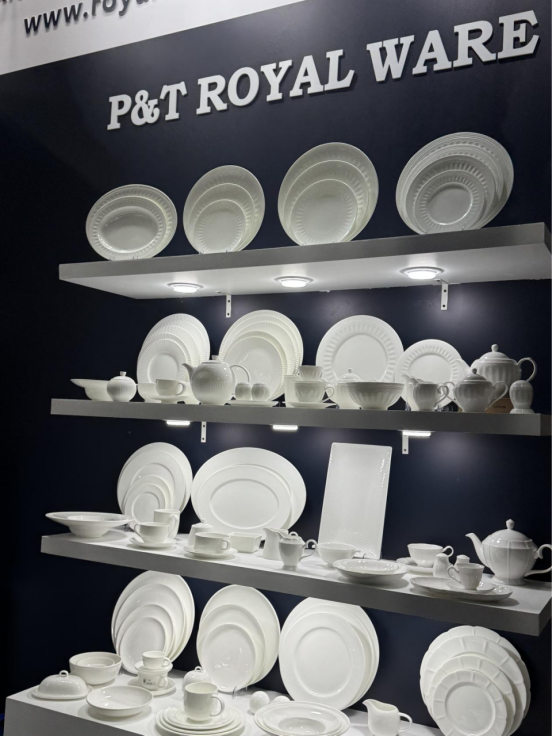
Compare sample options in the plates category and request the most relevant product-line documentation before bulk approval.
Step 4: Set Inspection Standards Before Production
Bulk order disputes usually happen because buyer and supplier never defined inspection criteria clearly. “Good quality” is not enough. The purchase order should state what gets checked and what counts as an unacceptable defect.
Common inspection points include:
- Chips or cracks.
- Glaze pinholes, crawling, or uneven coverage beyond agreed tolerance.
- Warpage or instability on a flat surface.
- Color difference against the approved sample within agreed tolerance.
- Decoration placement and logo accuracy.
- Sharp or rough foot ring.
- Carton damage or insufficient protection.
- Mixed SKUs, labeling errors, or quantity mismatch.
For custom or decorated dinnerware, keep an approved sample as the reference. You and the supplier should agree how closely bulk goods must match that sample.
Step 5: Review Packing and Shipping Risk
Dinnerware can pass factory inspection and still arrive damaged if the packing doesn’t suit the shipping route and handling. Importers and distributors shouldn’t treat packing as a minor detail.
Ask for carton size, unit packing, inner separators, master carton logic, pallet recommendation, and labeling. If the goods will move through multiple warehouses or retail-style distribution, explain that path before the supplier quotes.
For hotel and restaurant opening projects, packing should also support fast receiving and inventory counting. Clear SKU labels help you separate dinner plates, side plates, bowls, cups, and accessories during installation.
Step 6: Plan Reorders and Replacements
Even strong dinnerware can chip or break in commercial use. Plan replacement stock from the start, rather than treating breakage as unexpected.
For chain restaurants, hotels, and distributors, ask:
- Will the same shape stay available for future orders?
- Can the same decoration be repeated later?
- What reorder MOQ applies?
- How are batch color differences managed?
- Can the supplier keep artwork or mold references for future production?
- Which items should be stocked as replacements first?
High-use items like dinner plates and side plates usually need stronger reorder planning than specialty pieces. If you use a custom color glaze or logo, replacement planning becomes even more important.
RFQ Checklist for Chip-Resistant Dinnerware
Use this RFQ structure when you contact a supplier:
| RFQ field | Buyer instruction |
| Product type | Plates, bowls, cups, or full dinnerware set |
| Material request | Vitrified porcelain, fine porcelain, bone china, or other line |
| Use case | Restaurant, hotel, banquet, buffet, distributor stock |
| Size and shape | Include dimensions, rim style, depth, and weight if known |
| Durability requirement | Explain handling, washing, stacking, and replacement expectations |
| Documentation | Ask for product-line specs and relevant test documents |
| Sample plan | Request samples before bulk order approval |
| Inspection standard | Define chips, cracks, glaze issues, warpage, and color tolerance |
| Packing | Ask for carton and inner protection details |
| Reorder plan | Confirm availability, MOQ, and decoration continuity |
This process turns a vague durability request into a purchase-ready specification.
P&T Royal Ware can support hotels, restaurants, importers, distributors, and private label buyers with porcelain dinnerware sourcing, sample review, OEM/ODM development, and coordinated tableware programs. For durability-focused projects, the best brief includes the venue type, target market, product category, material preference, washing expectations, decoration needs, and replacement plan.
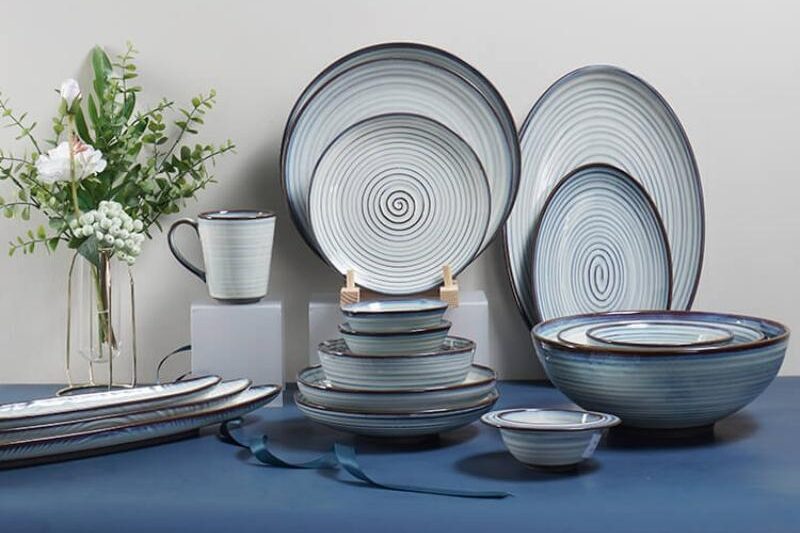
Buyers can review P&T Royal Ware product categories or compare plate options in the plates category. To discuss samples, inspection criteria, or a bulk quotation, contact the P&T Royal Ware factory team with the intended service environment and quantity range.
FAQs About Chip-Resistant Dinnerware
Is chip-resistant dinnerware chip proof?
No. Chip-resistant dinnerware is not chip proof. It means the product is selected and verified to reduce chipping risk under intended use, but ceramic dinnerware can still chip under impact or improper handling.
Are vitrified porcelain plates good for restaurants?
They can be a good option when the exact product line suits your intended service, washing, stacking, and replacement plan. Confirm specifications and test samples before ordering.
How can buyers verify dishwasher safe porcelain dinnerware?
Ask for product-line care guidance and relevant test documents, then review samples under your intended washing process when possible. Don’t assume dishwasher suitability from the word “porcelain” alone.
What causes restaurant dinnerware to chip?
Chipping can come from edge impacts, poor stacking, rough foot rings, tight dish racks, metal contact, unsuitable packing, or improper handling. Material matters, but design and operations matter too.
Conclusion
Buying chip-resistant dinnerware requires a verification process, not just a material label. Define the service environment, request product-line documents, test samples, agree inspection standards, review packing, and plan replacements before you approve bulk orders.
For B2B buyers, this approach reduces confusion and creates a clearer path from quotation to sample approval to production. P&T Royal Ware can help procurement teams compare durable porcelain plates and dinnerware options for hotel, restaurant, distributor, and OEM/ODM projects.


LET'S TALK TOGETHER
Lorem ipsum dolor sit amet, consectetur estor adipi isicing elit, sed do eiusmod tempor este uterre incididui unt ut
