




PITO Article
Different Types of Plates: Dinner Plates and Hotel Use
When it comes to elevating a dining experience, the type of plate used in fine dining is just as important as the food itself. Whether you’re curating a luxurious table setting for fine dining, designing a restaurant’s presentation standard, or choosing a dinner set for your home, understanding the different types of plates is essential.
In this guide, we’ll walk you through every type of plate, their materials, standard dimensions (often in inches in diameter), usage, and how to choose the right plate for every occasion.
The types of plates in hotel environments vary not only by design but also by function. From porcelain plates to glass plates, the material and shape reflect the cuisine, formality, and setting.
Hotels and restaurants typically use:
- Dinner plate (10–12 inches in diameter)
- Quarter plate (bread and butter, ~6 inches)
- Appetizer plate (canape-style, 4–6 inches)
- Soup plate or soup bowl (8–9 inches, arched edges)
- Salad plate (7–8.5 inches)
- Dessert plate (6–8 inches)
- Luncheon plate (9 inches)
- Charger plate (presentation base, 11–13 inches)
These are primarily used to serve food in a format that balances aesthetics, function, and flow.
What Is a Dinner Plate
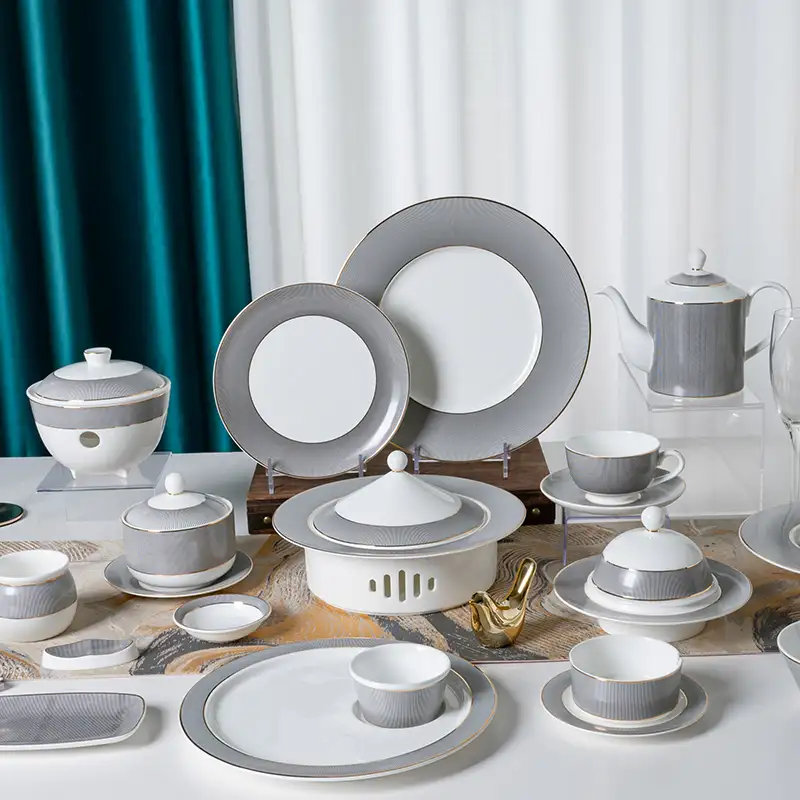
The dinner plate is the most common type of plate used to serve the main course during a meal. Ranging from 10 to 12 inches in diameter, dinner plates feature a flat surface and slightly raised rim, ideal for plating meats, sides, and sauces without spillover.
Used for:
- Main meals
- Lunch or dinner service
- Artistic presentation in formal dining settings
Dinner plates are often part of a matched dinnerware set and serve as the foundation of the table setup. For more visual impact, they are placed on top of charger plates in formal arrangements.
Spotlight on the Dessert Plate
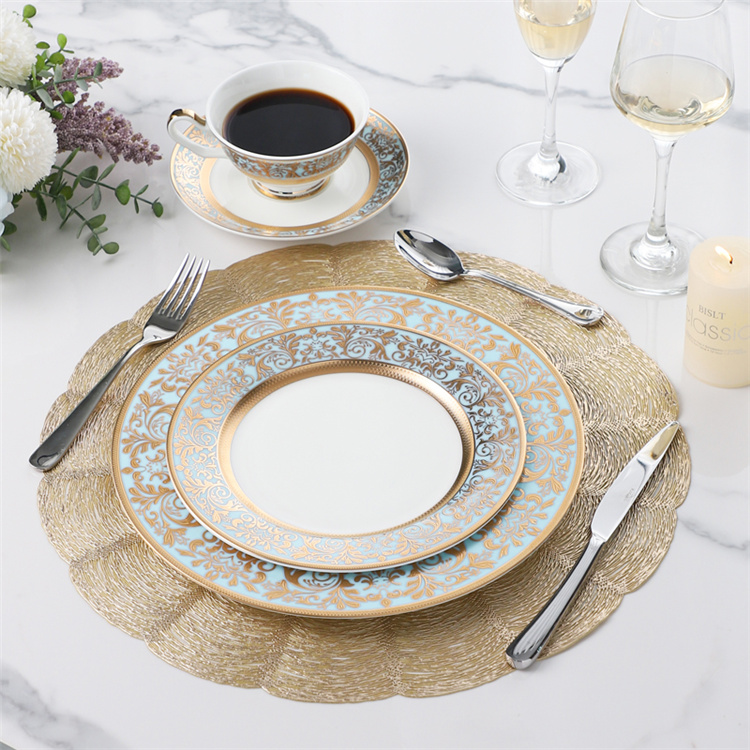
The dessert plate typically measures 6 to 8 inches in diameter and is smaller than dinner plates, but equally stylish. Also known as the luncheon plate or half plate, this plate is used for serving sweet finales, snacks, or even small savory bites.
Dessert plates may also be used to serve:
- Appetizers
- Side dishes
- Light brunch items
Its smaller surface area ensures manageable portions and refined presentations, especially in fine dining restaurants.
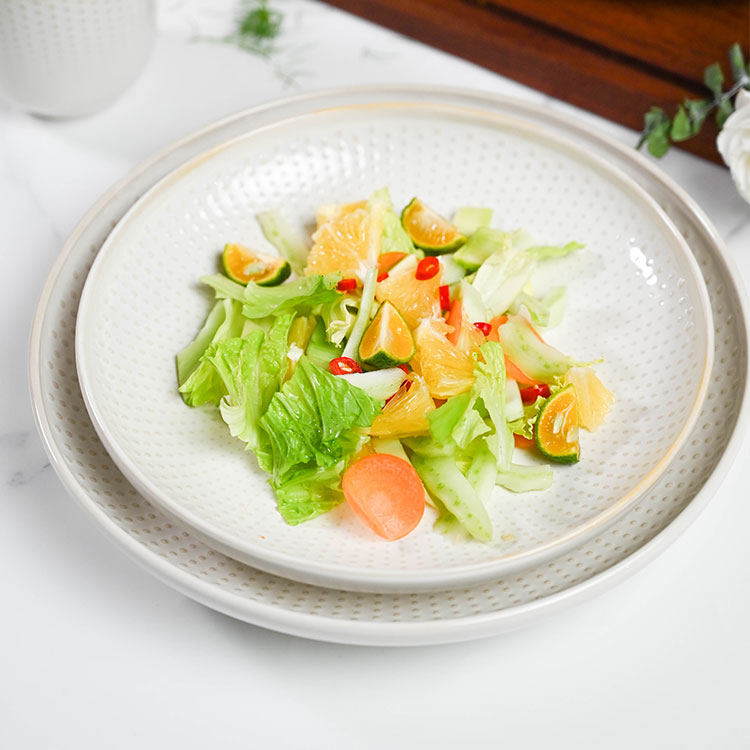
The Purpose of a Salad Plate
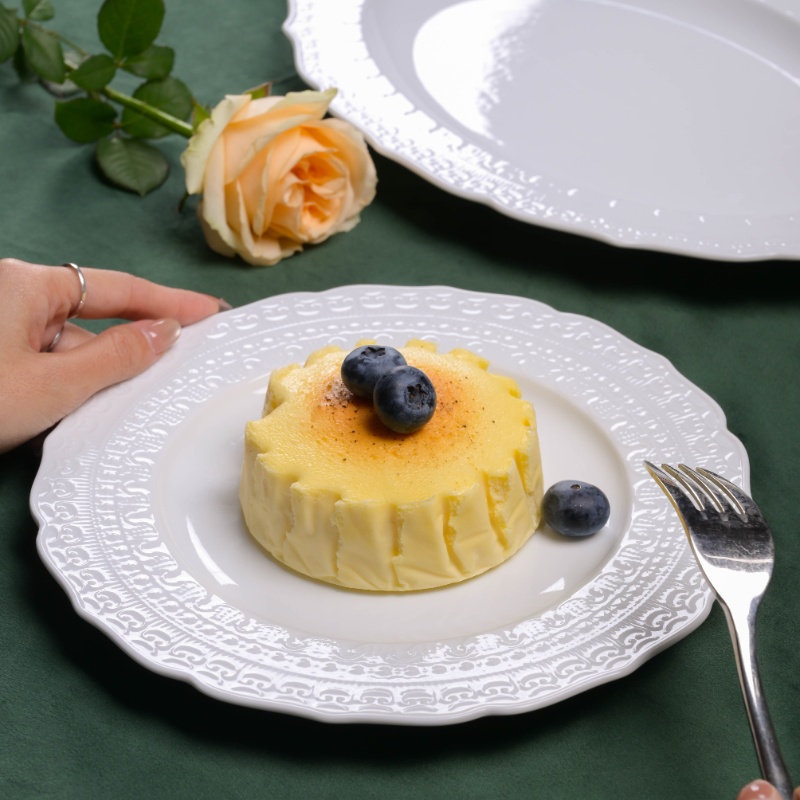
A salad plate is an elegant and slightly curved type of plate used specifically for serving salads. Standard sizes are 7 to 8.5 inches in diameter.
Salad plates are specifically designed to accommodate:
- Mixed greens
- Fruit-based salads
- Vegetable starters
Smaller than a dinner plate but larger than a bread and butter plate, they offer portion control and an aesthetic boost, especially when paired with vibrant dressings.
Meet the Appetizer Plate
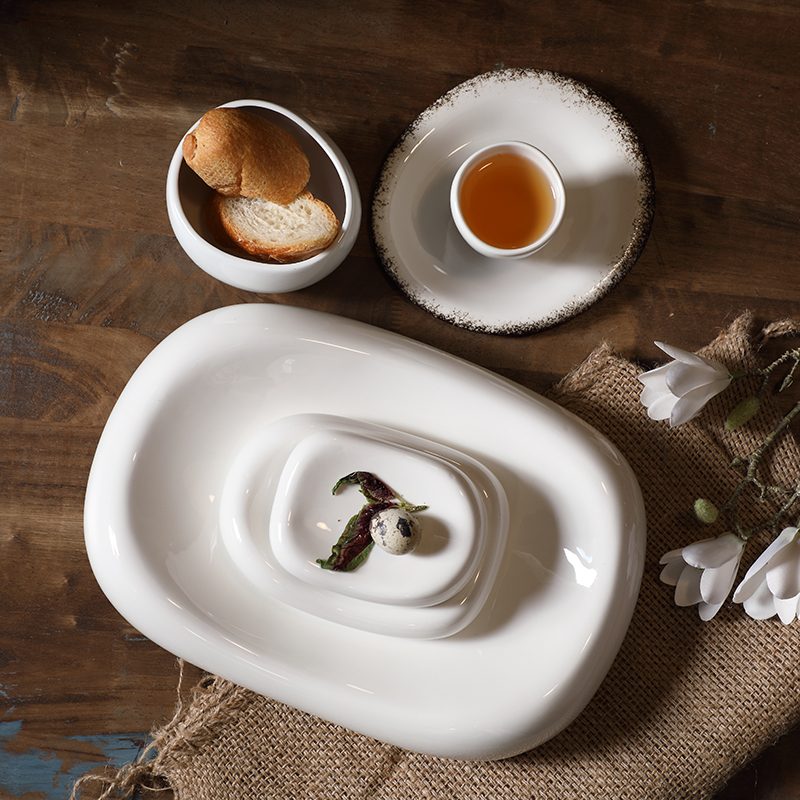
Known as a canape plate or hors d’oeuvre plate, the appetizer plate typically measures between 4 to 7 inches and is used for serving food before the main course.
Appetizer plates are commonly used:
- At cocktail receptions
- For tasting menus
- Alongside bread, cheese, or tapas
These plates are often styled in unique shapes—round, square, or oval—to create visual interest and elevate small bites.
The Role of the Luncheon Plate
The luncheon plate sits between a dinner plate and a salad plate in size—usually about 9 inches in diameter. Luncheon plates are commonly used for:
- Midday meals
- Sandwiches and wraps
- Brunch portions
- Events with lighter menus
The luncheon plate may also be used to serve desserts or side items depending on the table setting.
Why the Bread and Butter Plate Matters
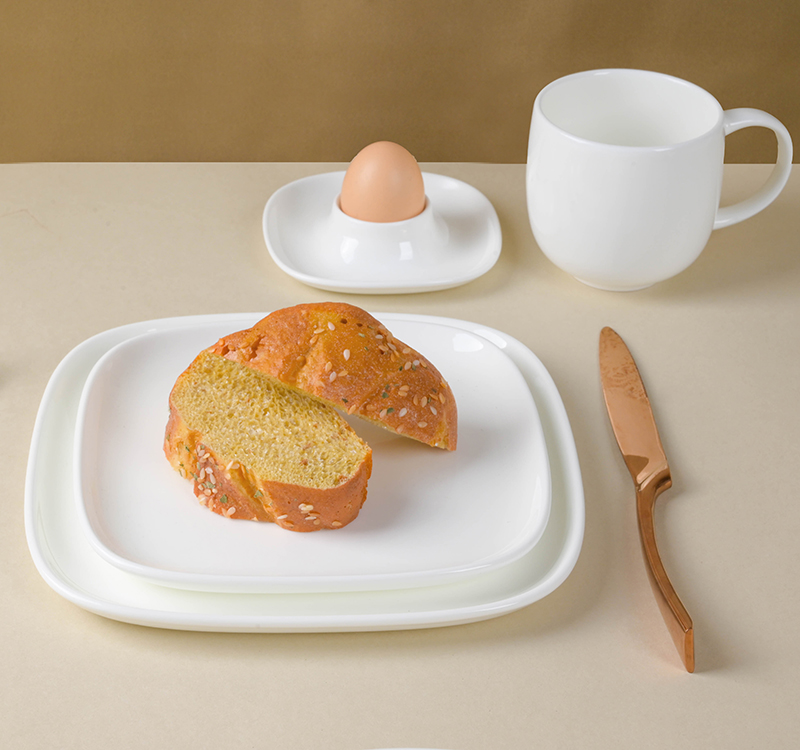
Also called the BnB plate or side plate, the bread and butter plate is a compact quarter plate, typically 5 to 6 inches in diameter. It’s used for serving bread with butter, olive oil, or spreads.
Also be used to serve:
- Side snacks
- Small appetizers
- Cheese or fruit slices
The bread and butter plate adds both elegance and structure to formal arrangements and is placed to the upper left of the dinner plate.
The Elegant Charger Plate
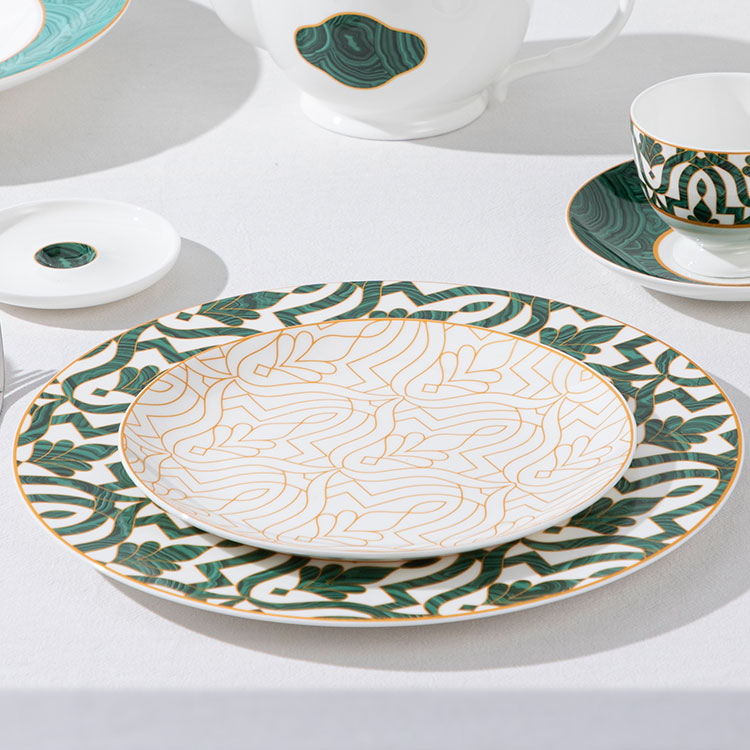
A charger plate is a larger plate—11 to 13 inches in diameter—used in fine dining as a decorative base beneath the dinner plate.
Though not used to serve food directly, charger plates:
- Create visual layering
- Protect table linens
- Retain heat for the courses served on top
Charger plates are versatile in material (metal, glass, porcelain) and style, and signal upscale service from the moment a guest is seated.
Additional Types of Plates You Should Know
Here’s a quick reference for other different types of plates and their practical uses:
| Plate Type | Ideal Use | Common Size | Material Options |
|---|---|---|---|
| Soup Plate | Thick or thin soups | 8–9 inches | Porcelain |
| Pasta Plate | Pasta, risotto | 8–10 inches | Porcelain |
| Rice Plate | Regional mains like biryani | 8–9 inches | Stainless steel |
| Cheese Plate | Cheese and crackers | ~6 inches | Stoneware, Bone China |
| Service Plate | Table zoning and decoration | 12–14 inches | Porcelain |
| Side Plate | Extras like salad, pickles | 6–7 inches | Bone China, Glass |
Plate Materials: Choosing What’s Right
Plates come in different materials, each with pros and cons depending on the purpose:
| Material | Benefits | Where It’s Best Used |
|---|---|---|
| Porcelain | Elegant, scratch-resistant, great heat retention | Fine dining, formal events |
| Bone China | Lightweight, durable, premium aesthetic | High-end restaurants, weddings |
| Melamine | Unbreakable, dishwasher safe, not microwave-safe | Buffets, outdoor dining, schools |
| Stoneware | Rustic charm, heavier, glazed finish | Bistros, family restaurants |
| Terracotta | Adds flavor to acidic dishes, unique look | Mediterranean cuisine, artisan settings |
| Glass plates | See-through elegance, lead-free options available | Fruit, desserts, modern presentations |
| Aluminum | Heat-conductive, lightweight, good for takeout | Pizza, oven-to-table dishes, catering |
Plate Shape
- Round plates: Classic and versatile
- Square plates: Trendy and modern
- Coupe plates: No rim, artistic freedom
- Oval or triangle plates: Best for visual drama
Plate Colors
- White plates: Best for most dishes; neutral
- Black: Bold contrast
- Brown: Earthy, cozy
- Blue: Pairs well with warm-colored food
- Green: Emphasizes freshness (great for serving salads)
- Red/Yellow: Stimulate appetite
Tips for Choosing the Right Plate
When choosing the proper plates for your dinnerware collection, consider:
- Durability & stackability: Look for chip-resistant materials
- Design & flexibility: Choose patterns that work across multiple courses
- Maintenance: Dishwasher/microwave-safe options save time
- Cost vs. need: Invest in essential types first
- Plate shape and color: Match cuisine, ambiance, and message
FAQs
What is the standard size of a dinner plate?
Most dinner plates range from 10 to 12 inches in diameter.
Are glass plates microwave-safe?
Most are, but always check for lead-free or heatproof labels.
Can dessert plates be used as quarter plates?
Yes, especially in casual settings. Their sizes often overlap.
Which is better: round plates or square plates?
Round plates take up less space, but square plates add elegance.
Which plates are good for health?
Porcelain and glass plates are non-toxic and often lead-free.
Final Thoughts: The Power of the Plate
From appetizer plates at dinner parties to charger plates in banquets, each type of plate plays a distinct role in delivering a complete dining experience. Whether you’re choosing plates for your restaurant, home, or catering event, understanding types of dinner plates, materials used, and their specific purposes allows you to serve not just food—but style, sophistication, and satisfaction.
So next time you serve food, remember: the right plate can make all the difference.


LET'S TALK TOGETHER
Lorem ipsum dolor sit amet, consectetur estor adipi isicing elit, sed do eiusmod tempor este uterre incididui unt ut
