




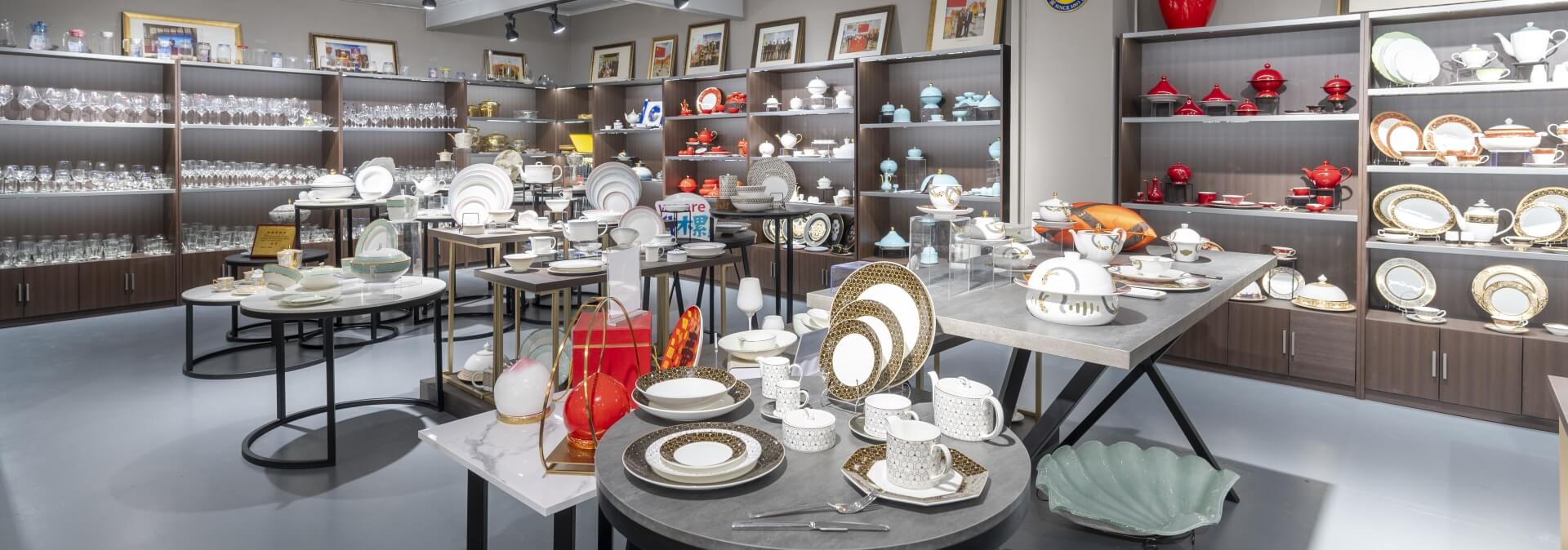
PITO Article
Why Is Dishware Called China
Have you ever poured yourself a cup of tea or laid out a beautifully set dinner table and paused to wonder—why do we call these elegant dishes “china”? It’s a word we use every day, yet behind it lies a story of art, culture, and centuries of global fascination.
From Ancient Kilns to Global Desire
The story begins over a thousand years ago in ancient China, where artisans perfected the craft of porcelain. Unlike ordinary pottery, porcelain was prized for its delicate translucence, remarkable strength, and ability to withstand high heat. It seemed almost magical: sunlight passing through a thin cup would cast a soft glow, enchanting anyone who saw it.
By the Tang and Song dynasties (7th–13th centuries), Chinese porcelain had begun traveling along trade routes, reaching curious merchants across Asia. But it was during the Ming dynasty (1368–1644) that porcelain truly captured the world’s imagination. Lavish exports to Europe created a demand local potters could not match. Europeans were so captivated by these flawless creations that they started calling the material itself by its country of origin: “china.”
Every meal we enjoy on fine porcelain carries centuries of history—a quiet bridge between East and West.
Why the Name Stuck
It might seem odd for a material to take the name of a country, but language often evolves in practical, charming ways:
- When Venetian traders first brought Chinese porcelain to Italy, it was unlike anything Europeans had ever seen—exotic, fragile, and luxurious.
- The term “china” became shorthand for elegance, quality, and the allure of the Orient.
- Over time, as trade expanded, “china” shifted from a descriptor of origin to a general term for fine porcelain tableware, no matter where it was made.
Interestingly, the word “porcelain” comes from the Italian porcellana, meaning “cowrie shell,” a nod to its smooth, shell-like finish. But when English speakers think of a “china plate,” they’re recalling centuries of admiration for Chinese artistry more than the literal etymology.
The Impact on Dining Culture
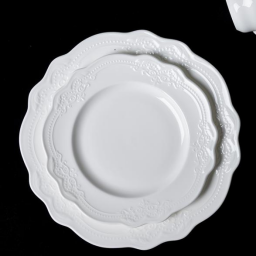
Porcelain wasn’t just a material—it became a symbol of refinement and taste. Serving guests with a set of fine china suggested sophistication and worldly awareness. Even today, many households reserve their “china” for special occasions, quietly honoring the history embedded in each piece.
Beyond China: Global Influence
Europeans were so enamored with Chinese porcelain that they tried to replicate it. This gave rise to Meissen porcelain in Germany, Sèvres in France, and Wedgwood in England. Despite centuries of imitation, the term “china” endured—a linguistic homage to the craft’s origin.
Every time we hold a china cup or plate, we’re connecting with artisans from centuries past, traders who braved oceans, and cultures that marveled at a thin, translucent cup.
Why “China” Still Matters Today
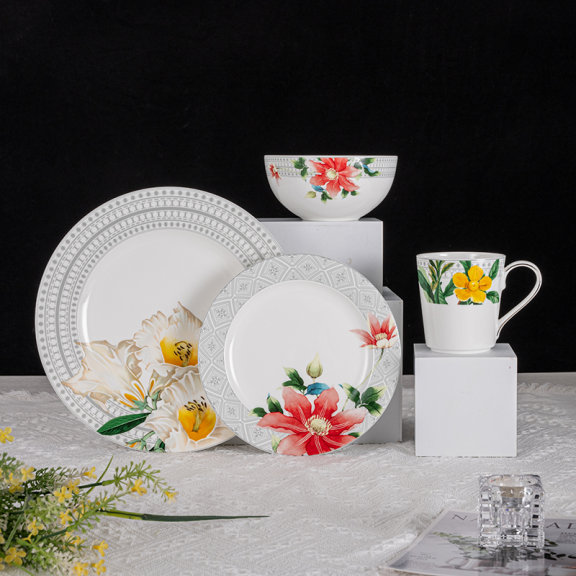
Have you ever wondered why dishware is called china? The answer carries more than a simple label—it’s a reflection of history, artistry, and cultural exchange. From the legendary kilns of Jingdezhen to dining tables across the globe, this name tells a story of how craftsmanship and commerce have shaped daily life for centuries.
Next time you set the table, take a moment to pause. Look closely at your plates and cups. Behind their shine lies a legacy of human creativity and tradition. The dishes in front of you are not just tableware—they are vessels of history, quietly holding stories waiting to be rediscovered.


LET'S TALK TOGETHER
Lorem ipsum dolor sit amet, consectetur estor adipi isicing elit, sed do eiusmod tempor este uterre incididui unt ut
