




PITO Article
Why Color-Glazed Porcelain Tableware Is Trending in Restaurants
Trending color-glazed porcelain has become a defining element of modern restaurant aesthetics, reshaping how chefs present their dishes and how diners perceive them. In an era where visual impact influences both on-site dining experiences and online engagement, restaurants are moving beyond traditional white plates toward more expressive, design-driven tableware. Vibrant glazes, textured surfaces, and artisanal finishes elevate food presentation, enhance a restaurant’s visual identity, and support the increasing demand for memorable, photogenic dining moments.
At the same time, hospitality operators are prioritizing durability, safety, and long-term value in the tableware they choose. Advances in porcelain formulas, lead-free glazes, and industrial firing technologies have made color-glazed porcelain not only visually distinctive, but also robust enough for intensive Horeca use.
This shift marks a broader change in diners’ expectations: presentation, storytelling, and ambience now hold as much importance as flavor.
Evolution of Color-Glazed Porcelain
From Tradition to Modern Dining
Although classic white porcelain has long been the standard in professional dining for its neutrality and clean presentation, the rise of experiential dining has shifted the industry toward more expressive tableware. Color-glazed porcelain introduces depth, contrast, and emotional resonance to plating, allowing chefs to shape not only the taste of a dish but also the story behind it.
Modern glazing techniques—matte finishes, reactive glazes, layered color gradients, and hand-crafted effects—create a canvas that enhances the chef’s visual intent. Instead of serving as a passive background, the plate becomes part of the composition, transforming food into a more immersive and memorable experience.
Advances in Safety and Durability
You might ask if these colors are safe and strong for restaurants. The answer is yes. New technology helps make porcelain tableware better. Here are some important changes:
| Advancement | Description |
|---|---|
| Elimination of lead from glazes | Factories do not use lead in glazes now, so plates are safer. |
| Use of leadless frits | Makers use leadless frits for bright colors without bad chemicals. |
| Robotic spray application | Robots spray glazes, so every plate looks smooth and nice. |
These plates are pretty and safe for food. The glaze is strong and does not chip or stain easily. You can put them in dishwashers and microwaves. With these changes, color-glazed porcelain tableware is stylish and useful for restaurants.
Visual Appeal and Social Media
Enhancing Food Presentation
In modern gastronomy, visual perception plays a decisive role in shaping how diners experience flavor, quality, and value. Colorful plates introduces controlled contrast, tone, and texture—key elements that influence the perceived freshness, sweetness, richness, or complexity of a dish.
Research in color psychology and plating design shows that:
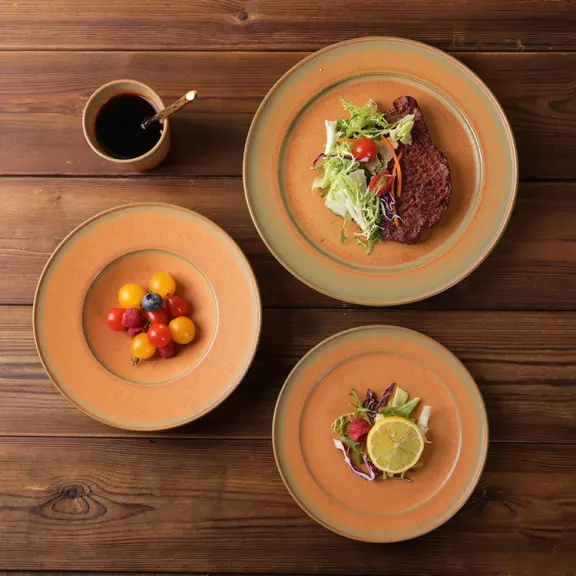
- Warm glazes (amber, coral, ochre) enhance the visual warmth of roasted or comfort dishes.
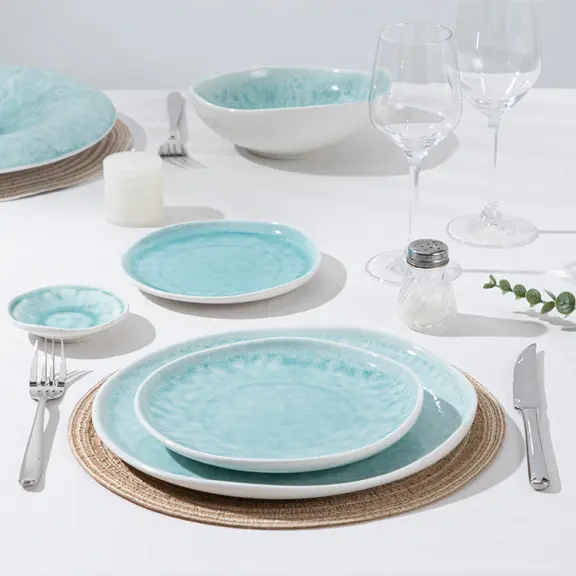
- Cool tones (deep blue, slate, moss green) heighten contrast for seafood, greens, and minimalist presentations.
- Matte reactive glazes add depth and dimension, creating a handcrafted aesthetic that elevates premium ingredients.
Rather than simply adding color, chefs use these glazes as part of their storytelling. The plate becomes an intentional extension of the dish—supporting its concept, cultural influences, and emotional tone. As a result, color-glazed porcelain enhances not only the visual appeal but also the overall dining experience.
Boosting Online Engagement
In the age of digital dining culture, tableware has become an integral part of a restaurant’s visual identity. Color-glazed porcelain performs exceptionally well in social media environments, where depth, contrast, and vibrancy determine how appealing a food photograph appears on screens.
Bright reactive glazes and matte artisanal surfaces capture light in ways that enhance food texture, making dishes more shareable and more likely to appear in user-generated content. Restaurants adopting distinctive tableware designs often see measurable improvements in online visibility and brand recall—particularly on Instagram, TikTok, and lifestyle media platforms.
PITO’s fancy plates help restaurants look special. Their tableware makes tables look stylish and different. Many places see big changes after using custom plates.
Brand Identity and Differentiation
Customization for Restaurants
In hospitality, tableware plays a strategic role in shaping a restaurant’s brand identity. Color-glazed porcelain offers a visual language that can be tailored to express the essence of a venue—its concept, its menu, and its atmosphere. Through controlled glaze palettes, surface textures, and bespoke shapes, restaurants can extend their brand beyond signage and interior design to the dining table itself.
For hotels and upscale dining groups, PITO provides a complete customization program that includes logo application, color-matched glazes, motif development, and exclusive mold creation. Each collection is developed through a collaborative design process, ensuring the final pieces align with the restaurant’s visual narrative and operational needs.
With diners spending longer moments at the table, these subtle yet intentional design elements strengthen brand recall and contribute to a cohesive, memorable dining experience—one that guests associate uniquely with the restaurant.
Here’s how custom porcelain tableware strengthens brand identity:
| Benefit | What It Means for You |
|---|---|
| Enhanced Brand Recall | Guests remember your name and style. |
| Luxury Presentation | Your food looks more professional and high-end. |
| Memorable Experiences | Every meal becomes a story guests want to share. |
Thematic and Seasonal Flexibility
Seasonal or thematic variations in tableware allow restaurants to evolve visually throughout the year. Limited-edition glaze palettes—such as winter neutrals, spring pastels, or festive metallic accents—introduce freshness without altering the restaurant’s core identity.
To support these creative shifts, PITO offers flexible production runs and short-series customization, enabling hotels and restaurants to launch seasonal menus, promotional events, or brand activations with matching tableware. This adaptability not only enhances visual impact but also encourages repeat visits by offering guests a sense of renewal and discovery.
If you want your restaurant to be noticed, color-glazed porcelain tableware gives you what you need. It helps build your brand and keeps guests coming back.
Customer Experience
Memorable Dining Moments
In contemporary dining, guests seek experiences that feel thoughtful, curated, and emotionally resonant. Color-glazed porcelain plates contributes to this by enriching the visual and sensory atmosphere of the table, transforming everyday service into moments that feel intentional and celebratory.
The interplay of glaze depth, surface texture, and tonal contrast shapes guests’ first impressions even before the dish is tasted. For special occasions—birthdays, anniversaries, tasting menus—these details elevate the sense of occasion and reinforce the restaurant’s commitment to craftsmanship and hospitality.
PITO collaborates with hotels and restaurants to design experience-driven tableware collections, ensuring that the color, finish, and form of each piece aligns with the venue’s desired ambience. This approach helps operators create dining moments that guests not only enjoy but remember and share.
Repeat Visits and Positive Reviews
Repeat visits are often driven by consistency—both in culinary execution and in the overall dining environment. Well-crafted color-glazed porcelain supports this consistency by maintaining its aesthetic integrity and functional performance over time.
Here’s how high-quality porcelain enhances guest loyalty:
| Aspect | Detail |
|---|---|
| Professional Durability | Vitrified porcelain withstands high-frequency service, reducing chipping and helping maintain a polished table setting. |
| Long-Term Color Stability | Lead-free, high-stability glazes—such as those used in PITO’s Horeca collections—retain their depth and sheen even after intensive dishwasher cycles. |
| A Refined Dining Atmosphere | Uniform, elegant tableware reinforces the perception of a well-managed restaurant and leaves guests with a strong sense of trust. |
| Attention to Detail | Guests notice when a venue invests in quality. These details shape positive reviews and promote repeat visits. |
PITO’s formulations and firing processes ensure that each piece offers durability, visual consistency, and long-term colorfastness, supporting the guest experience while reducing replacement costs for operators.
Trends in Color-Glazed Porcelain Tableware in Restaurants
Earth Tones and Bold Accents
Recent trends in restaurant tableware reflect a growing appreciation for texture, tone, and artisanal glaze effects. Color-glazed porcelain has expanded beyond simple solid hues into sophisticated palettes and finishes that support diverse dining concepts.
Key Aesthetic Trends in Color-Glazed Porcelain:
l Earth Tones and Organic Neutrals Shades inspired by stone, clay, and natural minerals create a grounded, warm atmosphere. These tones pair well with farm-to-table menus and seasonal cuisine, enhancing freshness and ingredient-forward presentations.
- Bold Accent Colors:Deep blues, oxblood reds, emerald greens, and metallic-edged glazes introduce a dramatic visual impact ideal for contemporary and experiential dining concepts.
- Reactive and Gradient Glazes:Layered color transitions and kiln-reactive patterns create unique variations from plate to plate—an aesthetic increasingly favored in premium casual and chef-driven restaurants.
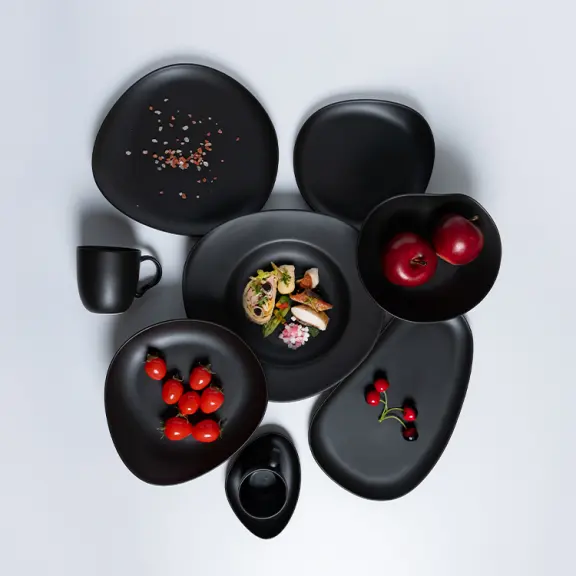
- Matte Artisanal Finishes:Soft-touch matte glazes reduce glare and photograph beautifully, making them a popular choice for venues with strong visual branding or social-media presence.
PITO’s color-glazed collections encompass all these directions, offering earthy mineral palettes, bold signature hues, gradient reactive glazes, and matte modern surfaces developed through controlled firing and glaze-layering techniques. This variety allows operators to select pieces that align precisely with their brand narrative and menu style.
Menu and Brand Compatibility
Color-glazed porcelain is increasingly used as a tool for brand alignment, enabling restaurants to translate their culinary identity into visual form. The choice of glaze tone, finish, and shape reinforces a restaurant’s concept—whether minimalist, rustic, contemporary, or culturally driven.
How Tableware Aligns with Menu & Brand Identity:
- Cuisine-Driven Design:Coastal menus pair well with cool mineral tones, while wood-fired or heritage dishes benefit from warm, earthy palettes.
- Brand Positioning:Luxury restaurants often favor deep glazes with subtle metallic accents, whereas premium casual venues may choose reactive finishes for a handcrafted feel.
- Cultural Expression:Glaze motifs, patterns, and color symbolism can reflect regional influences or culinary traditions, supporting storytelling throughout the meal.
Across global markets, operators increasingly invest in high-quality, design-driven porcelain as part of their brand-building efforts. To support this demand, PITO offers an extensive catalog and custom glaze development services, enabling restaurants to create tableware that mirrors their menu philosophy and visual identity.
Practical Considerations for Adoption
Durability and Cost Value
Selecting color-glazed porcelain for a hospitality environment requires a balance of durability, performance, and long-term value. High-quality porcelain, particularly when fired at 1,250–1,300°C, offers a vitrified, non-porous body that resists chipping, staining, and thermal shock—key requirements for high-turnover kitchens.
Here’s the key evaluation criteria for Horeca operators:
| Key Consideration | Description |
|---|---|
| Long-term Cost Efficiency | While premium porcelain may involve a higher initial investment, its resistance to breakage and fading significantly reduces replacement cycles and operational cost. |
| Operational Durability | Look for reinforced rims, dense clay bodies, and glazes formulated for metal-mark resistance. PITO’s Horeca-grade porcelain is engineered specifically to withstand daily commercial use, from fast-paced banqueting to fine dining. |
| Ease of Maintenance | A smooth, sealed glaze surface ensures efficient cleaning, odor resistance, and reliable dishwasher performance—critical for maintaining hygiene and consistency in busy service environments. |
| Quality Indicators | Weight balance, acoustic clarity, glaze uniformity, and stacking stability all signal a professionally crafted piece suitable for long-term restaurant use. |
PITO integrates these standards into every collection through controlled material ratios, high-temperature firing, and rigorous quality inspection. For operators evaluating new tableware, PITO also offers pilot batch sampling, allowing venues to test performance before full deployment.
Certifications and Safety
Food-contact safety is a fundamental requirement for professional tableware. High-quality color-glazed porcelain should comply with international migration standards that regulate the release of heavy metals and chemical residues during use.
Global Safety Certifications to Consider:
| Certification Type | Key Standards | Description |
|---|---|---|
| FDA (United States) | Lead ≤0.5μg/cm², Cadmium ≤4.5μg/cm² | Ensures compliance with lead and cadmium release limits for food-contact surfaces. |
| LFGB (Germany) | Migration Test for Food Contact | One of the strictest global standards, assessing chemical migration under various food-contact conditions. |
PITO’s porcelain tableware collections are produced using lead-free glazes, certified pigments, and controlled firing cycles, and every batch undergoes migration and thermal shock testing at PITO’s in-house and third-party laboratories. These processes ensure that each item meets international compliance standards and maintains long-term surface stability even under intensive Horeca use.
For luxury hotels, fine dining establishments, and global restaurant chains, this level of compliance is essential—not only for guest safety but also for maintaining brand credibility.
As experiential dining continues to evolve, color-glazed porcelain has become a defining element of modern restaurant presentation—uniting aesthetics, durability, and emotional impact in ways that elevate both cuisine and guest perception. The combination of vitrified porcelain bodies, stable lead-free glazes, and sophisticated surface effects provides chefs and operators with a versatile platform for creativity and brand expression.
For hospitality groups seeking consistency, performance, and long-term value, PITO delivers Horeca-grade formulations, advanced glazing technology, and a fully integrated production system. From bespoke glaze palettes and custom mold development to rigorous safety testing and high-temperature firing, each PITO collection is crafted to meet the demands of global hotels, restaurants, and luxury dining concepts.
With its heritage in Chaozhou’s ceramic craftsmanship and its commitment to modern manufacturing, PITO positions itself as a trusted partner for operators who view tableware as an essential extension of their brand experience—ensuring that every plate placed before a guest reflects both culinary excellence and enduring design quality.


LET'S TALK TOGETHER
Lorem ipsum dolor sit amet, consectetur estor adipi isicing elit, sed do eiusmod tempor este uterre incididui unt ut
