


PITO Article
What to Know Before Exporting Quality Porcelain Dinnerware
Before entering international markets, understanding the regulations, logistics, and certifications for porcelain dinnerware is essential. Exporting is not only about shipping products abroad — it’s about ensuring quality, compliance, and trust. P&T Royal Ware supports global partners by providing certified porcelain dinnerware that meets strict international quality and safety standards. Exporters often encounter a range of operational and compliance challenges. Key challenges include rising production costs, complex compliance requirements, and competition from alternative materials such as glass and melamine.
Below are the most common challenges in the porcelain dinnerware export business:
| Challenge Type | Description |
|---|---|
| Competition from Alternative Materials | Exporters face rivals using glass and melamine. This can hurt your market share. |
| Production Costs | The high cost of premium materials and specialized firing techniques can narrow profit margins. |
| Regulatory Compliance | Adhering to multiple international quality and safety standards requires constant attention. |
| Intense Market Competition | The global dinnerware market is saturated, with many brands competing for the same buyers. |
To succeed, exporters must stay informed about tariffs, certifications, and compliance requirements while keeping logistics efficient and cost-effective.
Tariffs And Import Regulations For Quality Porcelain
When you export quality porcelain dinnerware, it’s important to understand the tariffs and import regulations that apply in each destination market.These regulations can directly affect overall export costs and delivery timelines. You must ensure accurate HS code classification and adherence to each country’s import regulations to prevent costly delays.
HS Codes And Market Tariffs
Countries classify all traded goods using Harmonized System (HS) or Harmonized Tariff Schedule (HTS) codes, which determine applicable duties and taxes. Incorrect HS code selection can lead to higher tariffs, shipment delays, or customs penalties.
Here is a table with the main HS codes for porcelain dinnerware:
| HS Code / HTS Code | Description |
|---|---|
| 69111000 | Porcelain tableware and kitchenware (excl. ornamental articles) |
| 6911.10 | Ceramic tableware and kitchenware, of porcelain or china |
Because tariff rates vary by country, exporters should always review current schedules before shipment.
The HS code you use can change the duty you pay. For example, soup bowls and cereal bowls have different codes and rates. Look at the chart below to see how this works:
Misclassifying your product can cause customs delays or higher duties. When uncertain, consult a qualified customs professional to ensure accuracy.
Cost Reduction Strategies
Exporters can reduce costs by applying smart logistics strategies and effective supply chain planning. Here are several practical approaches:
- Order full container loads (FCL) to optimize freight expenses.
- Consolidate shipments from multiple suppliers to reduce space waste.
- Book shipments early during peak seasons to avoid congestion and rate surges.
- Compare freight forwarder rates to secure the best value.
- Use efficient packaging to fully utilize container capacity.
- Evaluate alternative ports of loading to identify potential cost advantages in handling and customs fees.
Tip: Customs regulations and tariff rates change frequently—always verify the latest updates before shipment.
At P&T Royal Ware, our certified porcelain products — backed by CE, FDA, and ISO certifications — help our partners achieve faster customs clearance and lower trade risks, while maintaining uncompromising quality.
Here is how certifications help you:
| Type of Support | Description |
|---|---|
| Market regulations | You meet legal rules and avoid fines. |
| Certification processing | You get help with papers and talking to officials. |
| Tariff and cost accounting | You can use free trade deals to pay less. |
| Customs clearance support | You move your products through customs faster. |
When partnering with P&T Royal Ware, exporters receive comprehensive support with documentation and compliance, reducing risks and improving competitiveness in global markets.
Certification And Compliance For PITO Porcelain
Food Safety And International Standards
Exporting porcelain dinnerware requires strict compliance with international food safety standards. Different regions have their own regulations that govern testing, labeling, and chemical safety.
- In the United States, products must comply with ASTM standards for water absorption, strength, and slip resistance, along with FDA requirements for food contact safety.
- In the European Union, exporters must meet the Ceramic Articles Directive (84/500/EEC) and REACH regulations, which restrict lead and cadmium release.
- In the Middle East, the UAE needs ECAS certification for safety and performance. You can also get EQM certification to help buyers trust you more.
At P&T Royal Ware, all porcelain dinnerware must be free from harmful heavy metals such as lead and cadmium, and fully compliant with global safety regulations. Many countries strictly regulate these substances, and non-compliant products are prohibited from entering their markets.
Here is a table that shows some important rules for lead and cadmium in porcelain dinnerware:
| Standard/Regulation | Permissible Limits for Lead | Permissible Limits for Cadmium |
|---|---|---|
| ISO 6486/2:1999(E) | Specific limits defined | Specific limits defined |
| EU Directive 84/500/EEC | Specific limits defined | Specific limits defined |
| California Prop. 65 | Specific limits defined | Specific limits defined |
| German DIN 51032 | Specific limits defined | Specific limits defined |
| Sri Lanka DOPL No. 326 | Limits as per ISO 6486/2 | Limits as per ISO 6486/2 |
| Russian Federation National Standard | Specific limits defined | Specific limits defined |
PITO’s porcelain meets these world rules. The products use food-safe, lead-free glaze. This makes them safe for hotels, restaurants, and homes.
PITO holds multiple international certifications that give partners confidence in compliance, quality, and performance. Here is a table that explains what these certifications mean:
| Certification | Significance |
|---|---|
| FDA | Shows the product is safe for food and has no harmful chemicals |
| CE | Proves the product meets European health, safety, and environmental rules |
| ISO9001 | Shows strong quality management and steady product quality |
| LFGB | Meets German food safety rules |
| ISO | Follows world rules for quality and safety in making products |
With over 100 design patents and a rigorous quality inspection process, PITO demonstrates an unwavering commitment to safety, craftsmanship, and innovation.
Note: Food safety regulations evolve constantly. Regularly reviewing updated standards ensures that your porcelain remains fully compliant in every market.
Environmental And Factory Certifications
Environmental responsibility has become an essential consideration in porcelain manufacturing and export. Buyers increasingly prefer products that are safe for both consumers and the environment. Factory certifications demonstrate a company’s commitment to sustainability and social responsibility.
PITO’s production facilities operate under ISO 9001 and ISO 14001 standards, ensuring both quality consistency and environmental management. ISO 14001 specifically helps manufacturers monitor and minimize their environmental impact. This not only enhances brand reputation but also improves resource efficiency and cost management.
The table below outlines the key benefits of ISO 14001 certification:
| Benefit | Description |
|---|---|
| Environmental Impact Management | Monitors and reduces the factory’s ecological footprint. |
| Compliance | Ensures adherence to environmental laws and standards. |
| Cost Savings | Saves energy and resources, reducing waste. |
| Brand Reputation | Builds credibility with environmentally conscious buyers. |
ISO-certified factories can significantly reduce carbon emissions and energy waste over time—benefiting both the environment and operational costs.
PITO’s commitment to international standards simplifies global trade, assuring buyers that every product meets the highest benchmarks for safety, quality, and sustainability. This helps you do better in world markets.
Tip: Buyers increasingly value suppliers with verified safety and environmental credentials—such certifications strengthen brand reputation and open new business opportunities.
Logistics And Shipping For Fragile Porcelain
Packaging And Risk Mitigation
Proper packaging is critical to ensure the safe transport of fragile porcelain dinnerware. Because porcelain is fragile, each piece should be individually wrapped with bubble film and packed in durable double-walled boxes for extra protection. Put cardboard dividers between each item so they do not touch. All empty spaces should be filled with foam or packing materials to prevent movement during transit. Each box must be securely sealed with reinforced tape. Clearly label each carton with “FRAGILE” and “HANDLE WITH CARE” to ensure careful handling throughout the logistics chain.
Here are some good packaging materials to use:
| Packaging Material | Description |
|---|---|
| Sturdy Boxes | Strong boxes in the right size stop items from moving. Double walls make the box even stronger. |
| Bubble Wrap | Bubble wrap gives soft padding and keeps items safe from bumps. |
| Packing Paper | Packing paper is good for wrapping and filling spaces. It keeps things from moving and gives soft protection. |
| Glass Packs | Glass packs are special dividers that make small spaces for each item. This stops them from hitting each other. |
Tip: For maximum protection, consider using double-box packaging with additional outer cushioning.
Shipping Methods And Insurance
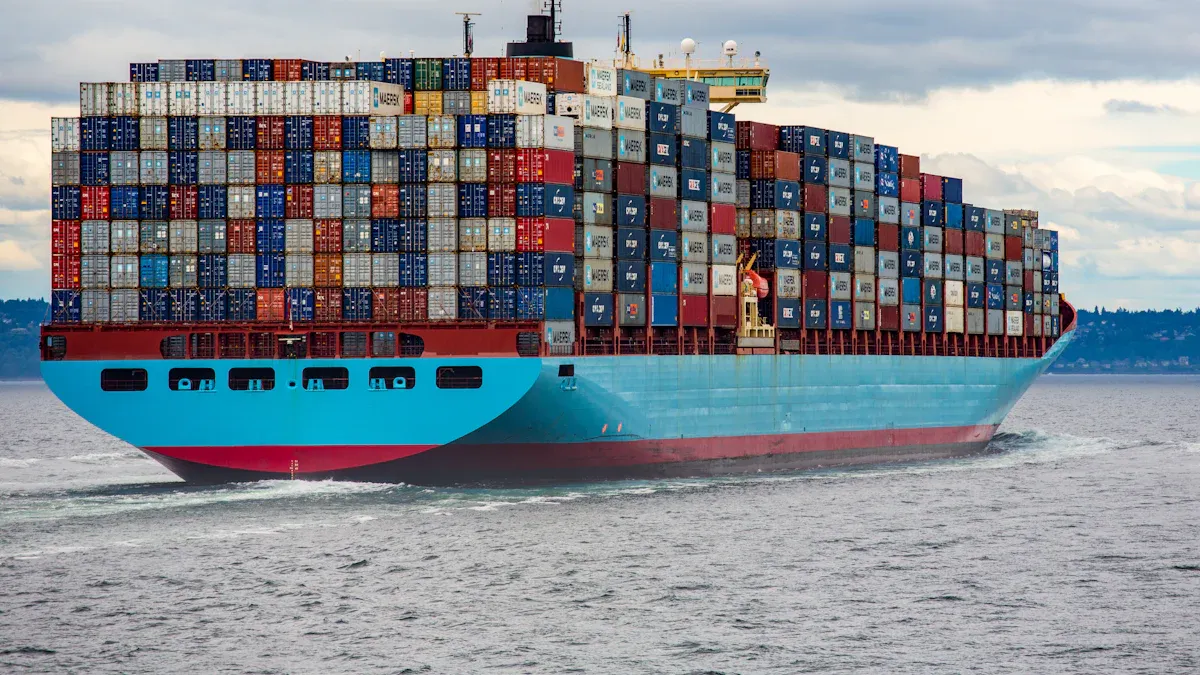
Different transportation methods offer varying cost and risk profiles depending on shipment size, distance, and urgency. Road shipping is good for short trips and does not break things easily. Ocean shipping is cheaper for big orders but takes longer. You must pack items well so they do not break. Air shipping is the fastest but costs the most. It also has a higher chance of breaking because of rough handling.
| Shipping Method | Cost | Risk of Breakage |
|---|---|---|
| Road Transportation | Moderate | Low (good for short trips) |
| Ocean Transportation | Low | Medium (takes time, needs good packing) |
| Air Transportation | High | High (fast but expensive and risky) |
Comprehensive cargo insurance is essential for fragile goods. Choose a policy that covers breakage, theft, and transit-related damage. Most plans pay for breakage, fire, flood, theft, and disasters. Some plans also pay if items break during repair or storage. You might have to pay a part of the cost, like 5% of the value or at least $500.
Insurance covers: – Breakage by accident – Fire, flood, theft, hurricane, earthquake – Shipping new items you just bought – Repair or fixing (up to $2,000) – Storage outside your business for more than 30 days – Theft from a car that is left alone – Using fragile items for special events
Note: Always review your insurance policy carefully before shipment to ensure it provides adequate coverage for your porcelain goods.
Export Tips For PITO Quality Porcelain
Building Reliable Partnerships
Sustainable export growth depends on reliable partnerships. Pick suppliers who care about quality, design, and service. Check if they have certificates like FDA, LFGB, REACH, and ISO. These certificates mean your supplier follows safety and quality rules.
What to look for in a partner: – Quality products – Creative design skills – International certificates – Reliable service
See if your supplier can handle big orders and make custom products. stands out for its reputable brand, global certifications, and extensive experience in international porcelain export. You can trust PITO to give you quality porcelain and help your business for a long time.
When selecting a porcelain supplier, consider the following:
| Criteria | Description |
|---|---|
| Procurement Needs | Know what products, styles, and amounts you want |
| Supplier Qualifications | Check how they make things and their export experience |
| Customization Service | See if they offer help from design to shipping |
| Price and Cost Performance | Balance price, quality, and service |
| Long-Term Cooperation | Pick partners who want to work with you for a long time |
Tip: Strong partnerships ensure quick problem-solving, consistent quality, and customer satisfaction.
Documentation And Regulation Updates
Maintaining accurate and well-organized export documentation is essential. Missing or incorrect paperwork can lead to customs delays or legal complications. Obtain an official registration certificate from the relevant trade authority to demonstrate compliance with export regulations. You also need a Certificate of Origin for shipping to other countries. If you join programs like GSP, you may pay less in duties.
Here is a list of important papers you need:
- Proforma Invoice
- Commercial Invoice
- Packing List
- Certificates of Origin
- Certificate of Free Sale
- Shipper’s Letter of Instruction
- BIS-711 Form
- Inland Bill of Lading
- Ocean Bill of Lading
- Air Waybill
- Dangerous Goods Forms
- Bank Draft
Check for new rules often. Ask someone on your team to watch for updates from FDA and LFGB. Train your workers so they know the newest rules. You can lower risks by keeping good records for all materials and glazes. Test your products at every step to find problems early. Work with trusted labs to save money on testing.
| Tip | Description |
|---|---|
| Material Management | Keep records for all materials and glazes. |
| Compliance Verification | Test products early and often. |
| Strategic Testing | Focus on risky designs. |
| Regulation Updates | Watch for changes and train your team. |
Note: Maintaining organized documentation and staying informed about policy updates ensures smooth, compliant export operations.
Successful porcelain export requires careful planning, consistent quality, and reliable logistics. First of all, successful porcelain export starts long before the shipment — from selecting the right clay to ensuring flawless glazing. Next, shape each piece and let it dry. This helps stop cracks from forming. Then, fire the porcelain in a very hot oven. This makes it strong. After that, put on glaze and add decorations. This makes the dinnerware look nice and keeps it safe to use. Last, check every piece, pack them well, and ship them carefully.
Partnering with PITO offers a range of tangible advantages for global buyers and distributors:
| Benefit | Description |
|---|---|
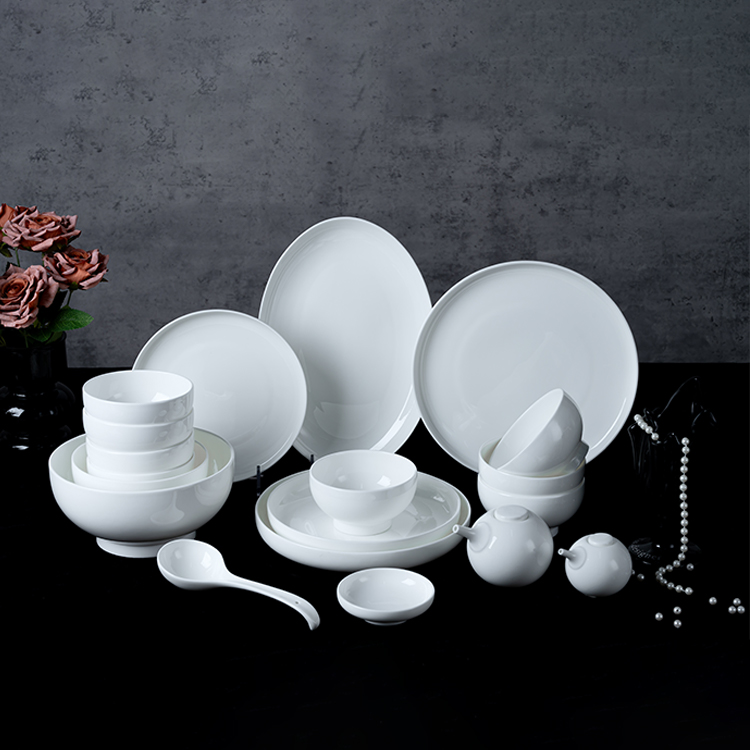
| Superior Quality | You get smooth porcelain that looks great anywhere. |
| Durability | PITO porcelain is chip-resistant, scratch-proof, and built to last for years of professional use. |
| Affordable Bulk Purchasing | You pay less when you buy a lot at once. |
| Customizable Options | You can get your own logo or design on your items. |
| Global Export Reach | You can send PITO porcelain to people in many countries. |
Good partners help you do well:
- Work with hotels and banquet services you trust. This helps you find more buyers.
- Give products that fit many kinds of dining places around the world.
- Always keep your quality high and make customers happy.
Remember to follow all rules, use smart shipping, and build strong partnerships. Use PITO’s knowledge to help your business grow. You can bring great porcelain to every market.
FAQ
The porcelain uses glazes that do not have lead or cadmium. These glazes are safe for food. P&T Royal Ware follows tough world safety rules. You can use these dishes for food without worry.
Can you put your logo or design on the dinnerware?
Yes. You can pick your own logo or a special design. PITO offers full customization options, including brand logos, decal designs, and tailored packaging.
How do you protect porcelain when shipping?
Each piece is carefully wrapped and packed with protective materials such as double-walled boxes, bubble wrap, and foam to prevent damage during transportation.
Partner with PITO to simplify your porcelain export journey — from production to customs clearance.


LET'S TALK TOGETHER
Lorem ipsum dolor sit amet, consectetur estor adipi isicing elit, sed do eiusmod tempor este uterre incididui unt ut
