




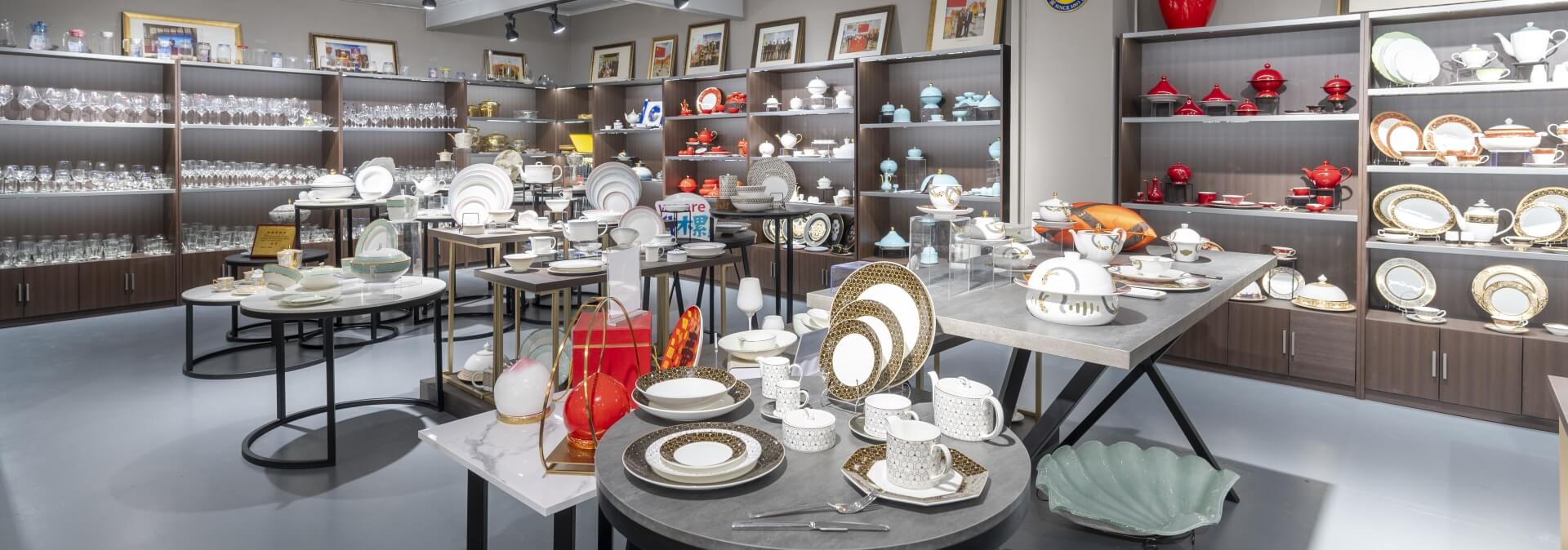
PITO Article
What Is Porcelain Made Of
In the hospitality world, tableware is more than a vessel—it reflects a property’s standards, durability expectations, and brand identity. Understanding what porcelain is made of helps hotels, restaurants, and catering groups choose long-lasting, high-performance dinnerware that delivers both beauty and commercial efficiency.
At PITO, premium porcelain and bone china are crafted through a precise blend of raw materials, 1320°C high-temperature firing, and strict quality control developed specifically for Horeca use.
Types of Porcelain
Professional-grade porcelain used in hospitality generally falls into two main categories: hard-paste porcelain and bone china. Each type offers unique structural and aesthetic properties relevant to hotel and restaurant operations.
Hard-Paste Porcelain (True Porcelain)
Hard-paste porcelain—originating in China—remains the benchmark for strength and stability. It is composed primarily of kaolin, feldspar, and quartz, fired at approximately 1,320°C.
This high-density structure delivers:
- low water absorption
- high resistance to chipping
- superior mechanical strength
- long-term stability in commercial dishwashing environments
PITO’s hard-paste formulations are optimized for bulk uniformity, ensuring consistent whiteness, glaze performance, and shape precision across large production batches—critical for hotel and restaurant procurement.
Soft-Paste Porcelain (Artificial Porcelain)
European potters experimented with different recipes, often blending clay with frit (a glassy substance), soapstone, or lime. Later, they added kaolin, quartz, and feldspar to improve the formula.
- Soft-paste porcelain fires at lower temperatures, around 1,200°C.
- The result is a softer, more porous body. You can even cut it with a file.
- Surfaces feel heavier and less smooth than hard-paste porcelain.
Bone China
Bone china incorporates bone ash (30–50%) alongside kaolin, feldspar, and quartz. The addition of bone ash produces a lighter, thinner, and highly translucent body while maintaining exceptional strength.
In the Horeca sector, bone china is valued for:
- elevated presentation for fine dining.
- enhanced resistance to breakage.
- refined, luminous appearance under ambient or table lighting.
PITO uses high-purity bone ash, resulting in a brighter tone and improved toughness suitable for high-frequency service environments.
How Composition Shapes Porcelain
Each raw material contributes specific functional benefits:
- Kaolin — delivers whiteness, structural strength, and stability at high firing temperatures.
- Feldspar — forms the vitrified glassy phase that gives porcelain its smooth, hygienic, and non-porous surface.
- Quartz — improves mechanical strength, thermal stability, and resistance to rapid temperature shifts.
- Bone Ash (bone china) — increases translucency and impact strength.
Together, these elements create porcelain capable of meeting industry expectations for long-term durability, consistent appearance, and resistance to operational stress.
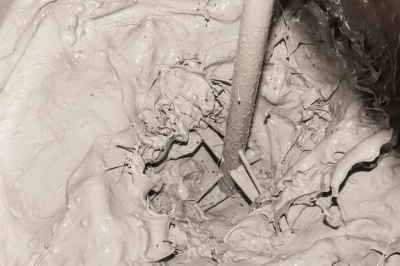
Porcelain Made: Key Ingredients
When you explore what makes porcelain made so exceptional, you discover that each ingredient plays a unique role. The right blend of minerals gives porcelain its strength, whiteness, and signature translucency. Let’s look at the four essential components that shape every piece.
Kaolin (China Clay)
Premium kaolin gives porcelain its clean white body, smooth forming ability, and structural strength.
- Low-iron kaolin prevents discoloration
- Forms mullite at high temperatures, increasing durability
- Ensures color consistency across large hotel orders
Kaolin’s high melting point (above 1,700°C) ensures your porcelain keeps its shape, even at extreme temperatures.
| Property | Description |
|---|---|
| Plasticity | Fine particle size and plate-like structure for easy shaping |
| High Melting Point | Above 1,700°C, maintains shape during firing |
| Purity and Whiteness | Naturally white, low iron content prevents discoloration |
| Mullite Formation | Forms mullite during firing, increasing strength |
Feldspar
Feldspar melts during firing, creating a glassy phase that locks minerals together.
- Creates a glossy, non-porous surface
- Enhances chip-resistance
- Contributes to long-term aesthetic stability
Hospitality Advantage
Glazed surfaces stay smooth after thousands of industrial dishwasher cycles.
Quartz (or Flint)
Quartz stabilizes the body during firing and use.
- Reduces warping
- Improves impact strength
- Enhances thermal shock resistance
Hospitality Advantage
Plates withstand rapid temperature shifts from hot pass to cold plating without cracking.
Bone Ash (in Bone China)
Bone ash gives bone china its signature glow and refined strength.
- Higher translucency
- Higher tensile strength
- Thin, lightweight body
Hospitality Advantage
Bone china provides a premium dining experience without sacrificing durability.
Porcelain Making Process
You experience the artistry and science behind porcelain made through a series of precise steps. PITO’s production process balances industrial precision with artisanal refinement. Instead of focusing on factory operations, the emphasis is on the outcome: durability, consistency, and elegant visual expression.
Raw Material Preparation
Raw materials are finely milled and purified to ensure:
- Uniform particle distribution.
- Smooth clay body texture.
- Consistent whiteness and firing performance.
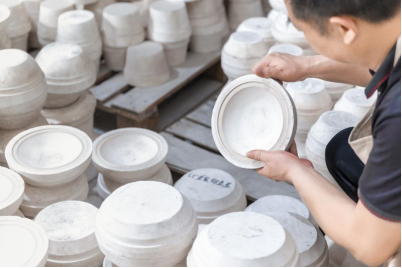
Forming and Shaping
Hand Shaping, Molding, or Wheel Throwing
Advanced forming techniques—including isostatic pressing, slip casting, and precision turning—deliver:
- Consistent shape and thickness
- Improved plate flatness
- Reduced warpage during firing.
High-Temperature Firing
PITO fires porcelain once at 1,300–1,320°C, creating:
- a vitrified, non-porous body
- high mechanical strength
- excellent stain resistance
This single high-temperature firing differentiates professional-grade porcelain from consumer-grade ceramics.
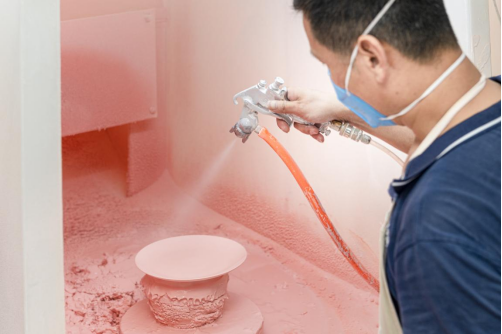
Glazes are engineered for:
- high gloss
- scratch resistance
- long-term color stability
Decorations—including underglaze, in-glaze, and on-glaze—are fired in controlled kilns to ensure durability suitable for hotel service environments.
Key Performance Qualities of Hospitality-Grade Porcelain
Porcelain’s mineral composition and full vitrification give it performance qualities essential to professional dining environments. For Horeca clients, the following attributes define true hospitality-grade porcelain:
A fully vitrified porcelain body—fired at 1,320°C—delivers exceptional density, ensuring durable rims and reduced chipping during intensive service and stacking.
2. Professional-Grade Glaze Durability
High-gloss porcelain glazes offer superior hardness and resistance to metal marking, preserving a refined appearance even under constant contact with commercial cutlery and frequent dishwashing.
The balanced porcelain formulation, enriched with quartz, ensures reliable thermal shock resistance and long-term performance across fast-paced kitchen environments.
4. Batch Consistency for Long-Term Supply
Controlled raw materials and precise firing ensure consistent whiteness, sizing, and glaze tone—allowing hotels and restaurants to replenish collections seamlessly over time.
Conclusion
Porcelain’s composition is only the starting point. For Horeca clients, true value lies in strength, consistency, and long-term performance. By combining high-purity raw materials, precise firing, and rigorous industry-level testing, PITO delivers porcelain and bone china that meet the operational needs of hotels, restaurants, and hospitality groups worldwide—while maintaining the refined aesthetics expected of a premium brand.


LET'S TALK TOGETHER
Lorem ipsum dolor sit amet, consectetur estor adipi isicing elit, sed do eiusmod tempor este uterre incididui unt ut
