




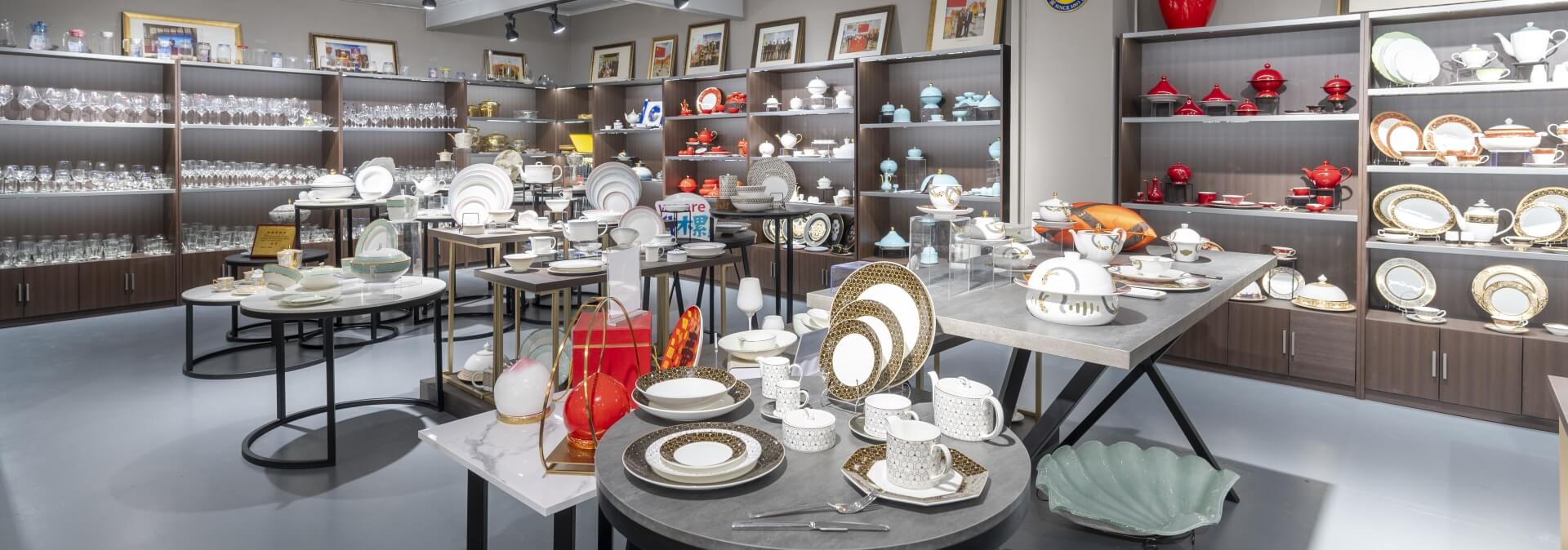
PITO Article
What Is Fine Bone China
Fine Bone China, with its exceptional quality and unique aesthetic appeal, is widely used in high-end tableware and art. Its translucency, toughness, and warm appearance are highly favored. This article will delve into the definition, history, craftsmanship, characteristics, uses, and maintenance of fine bone china, providing you with a comprehensive understanding of this porcelain treasure.
Definition of Fine Bone China
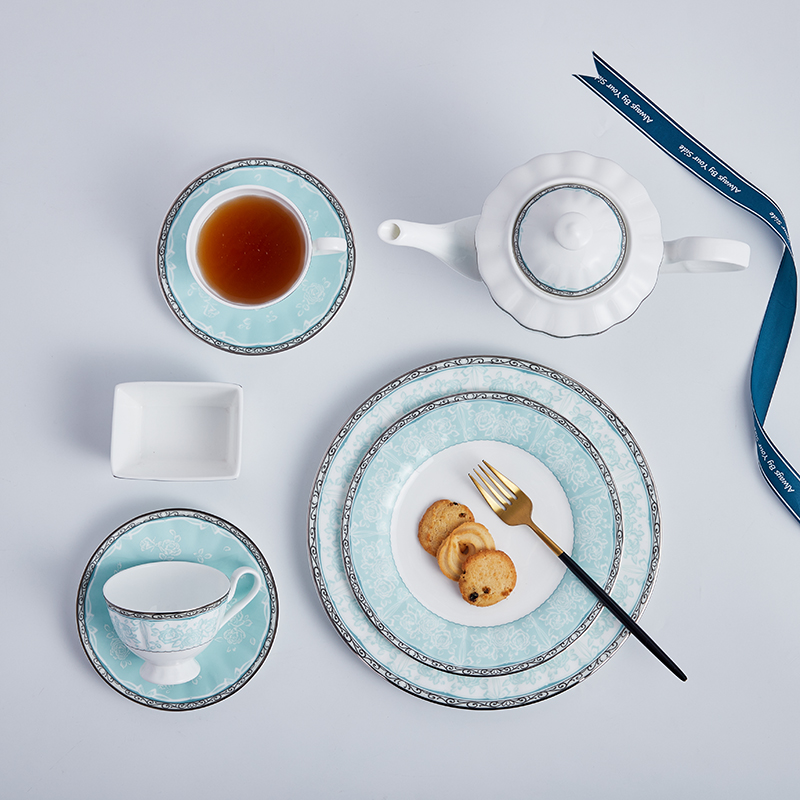
Fine bone china is essentially a high-end porcelain, with bone ash (usually derived from ox bone) incorporated as a key component in its formula, typically accounting for 30% to 50% of the total composition. The introduction of bone ash gives fine bone china several unique physical properties after firing, including its remarkably high translucency and exceptional mechanical strength.
However, it’s worth noting that not all fine bone china products strictly adhere to this traditional formula. For example, some fine bone china tableware from PITO uses calcium and other mineral substitutes instead of traditional animal bone ash. This innovative approach maintains the material’s inherent high quality while also carefully considering environmental and religious factors.
When compared to common porcelain (primarily kaolin-based), earthenware (fired at lower temperatures, resulting in a relatively coarse texture), or stoneware (denser in texture but lacking translucency), fine bone china appears more refined and delicate, both visually and tactilely. This achieves a perfect balance between aesthetic value and practical function. Its unique compositional formula and exquisite crafting process ensure its distinctive position within the vast family of porcelains, thus fine bone china is often regarded as the “aristocrat” of porcelain.
Historical Origins of Fine Bone China
The origin of fine bone china can be traced back to 18th-century England. Specifically, in the 1790s, Josiah Spode was the first to perfect the fine bone china formula, innovatively introducing bone ash into the porcelain production process, successfully creating a porcelain material that combined both translucency and toughness. This groundbreaking innovation not only significantly elevated the international standing of the British porcelains industry but also laid the foundation for fine bone china to establish its position as the cornerstone of high-end tableware.
As the Industrial Revolution deepened, the production technology of fine bone china gradually matured. Against this backdrop, Staffordshire in England gradually developed into a global center for fine bone china manufacturing. Entering the 19th century, the exceptional quality of fine bone china and its manufacturing techniques began to spread to other parts of Europe and Asia. To this day, fine bone china has become an iconic product category in the global porcelain market.
Manufacturing Process
The manufacturing of fine bone china is widely recognized as a complex and highly precise process, its essence lying in the perfect fusion of scientific rigor and artistic ingenuity. The core elements of this process are the strict selection of raw materials and precise control over every production stage.
Raw Materials
The outstanding quality of fine bone china directly stems from its unique raw material proportions. Bone ash comes first, usually sourced from ox bone, which is calcined at high temperatures to form a fine powder rich in calcium phosphate. It is this bone ash that gives fine bone china its unique mechanical strength and extraordinary translucency. Next is kaolin, the traditional foundation for porcelain production, providing excellent plasticity and pure whiteness. Additionally, feldspar and quartz serve as important auxiliary materials, playing crucial roles during the firing process, significantly enhancing the structural stability of the fine bone china after firing.
Production Steps
The production of fine bone china is like a meticulously carved artistic creation, with each step being crucial and interconnected:
First is the mixing and forming of raw materials. In this stage, bone ash, kaolin, feldspar, and quartz are mixed in strictly precise proportions to form a homogeneous slip. Subsequently, through precise mold casting or hand-shaping by skilled artisans, the slip is formed into the preliminary shape of the desired vessel.
The formed greenware then undergoes the first high-temperature firing, known as bisque firing. This process occurs at approximately 1320℃, aiming to harden the greenware, forming a “bisque” with a certain strength, providing a solid foundation for subsequent processes.
Immediately following is glaze firing. After a layer of transparent glaze is uniformly applied to the “bisque,” it is placed in a second high-temperature firing, with temperatures typically controlled 1280°C. The purpose of this step is to achieve a smooth and delicate surface for the fine bone china and significantly enhance its durability.
To impart a unique artistic aesthetic to fine bone china, the decoration stage is indispensable. This is usually achieved through hand-painting, delicate decals, or exquisite gilding. Some high-end products may even involve multiple layers of complex decorative techniques to present richer visual effects.
Finally, and crucially, is quality control. Every piece of fine bone china, after completing all firing and decoration processes, must undergo an extremely rigorous inspection process. This aims to ensure that each finished product is flawless, uniformly colored, and strictly conforms to high industry standards.
The entire manufacturing process combines superb craftsmanship with an extreme pursuit of detail. It is this dedication to excellence that ensures fine bone china achieves its best quality and artistic expression.
Characteristics of Fine Bone China
Fine bone china is renowned globally for its excellent physical and aesthetic characteristics, which make it truly unique among numerous porcelain products and are truly admirable:
Its extraordinary translucency and soft luster are among fine bone china’s most boasted qualities. Thanks to the unique material and the two-firing process, most fine bone China tableware is thinner than that made of other materials. When light passes through its material, it presents a translucent, ethereal beauty and emits a soft luster unattainable by ordinary porcelain, as if the vessel itself radiates light, creating a dreamlike visual effect.
Although fine bone china appears delicate and lightweight, it possesses surprising toughness and durability. This is also attributed to the clever addition of bone ash, which gives fine bone china astonishing resilience, making it exceptionally strong and able to easily withstand minor impacts from daily use. Its durability far exceeds what its delicate appearance might suggest.
The glaze surface of fine bone china is exquisitely fired, with an extremely smooth and delicate feel, warm and jade-like. This unique tactile sensation complements the visual brilliance, together creating an unparalleled sensory experience that makes it irresistible.
Furthermore, fine bone china has a unique and elegant white or ivory tone. Its color usually ranges between pure white and warm ivory. This unique hue gives fine bone china an inherent elegance, making it not just a practical utensil on the dining table but also a rare artistic treasure in home decor.
These unique and admirable characteristics collectively establish fine bone china’s position as the preferred material for high-end tableware and decorative items.
Uses of Fine Bone China
Fine bone china, due to its combination of beauty and practicality, exhibits an extremely wide range of applications in modern life, showcasing its versatility:
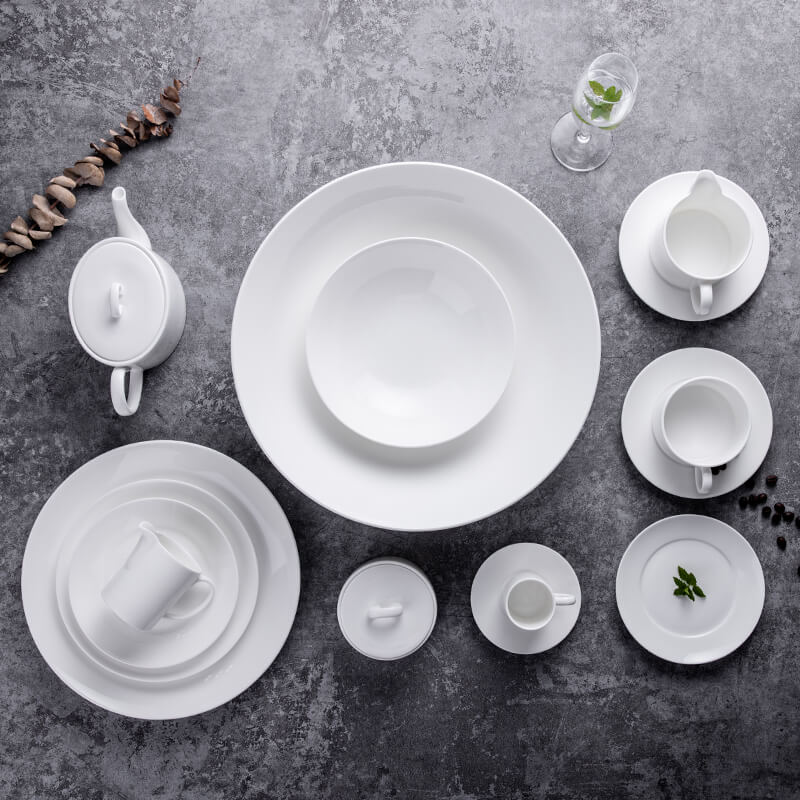
As high-end tableware, fine bone china is found globally. From exquisitely crafted plates and elegant cups to matching saucers and teapots, fine bone china dinnerware is widely used in upscale restaurants, luxury hotels, and various home banquets. Its lightweight and delicate texture undoubtedly significantly enhances the overall dining experience, adding a unique sense of ritual to every gathering.
fine bone china is also skillfully shaped into various artistic decorative items. It can transform into delicate vases, lifelike sculptures, and elegant ornaments. These artworks are not only perfect accents for home decor but are also often displayed as precious exhibits in museums, narrating the profound charm of porcelain art.
Many fine bone china products, due to their unique design, limited production, or exquisite craftsmanship, become collectibles and family heirlooms eagerly pursued by collectors. They not only possess unique artistic value and potential investment value but also often serve as precious objects, carrying history and emotions, passed down through generations.
In recent years, the artistic potential of fine bone china has been further explored, leading to cross-industry collaborations with many high-end brands, fully demonstrating its cutting-edge charm in the fields of fashion and art. fine bone china is cleverly applied in modern design, such as in the creation of limited-edition tableware series or avant-garde art installations, showcasing its innovative and versatile side.
Care and Maintenance
To ensure the elegant appearance of fine bone china is preserved for a long time and to extend its lifespan, proper care and maintenance are crucial. Mastering the following points will help your fine bone china remain as good as new:
Gentle cleaning is the core principle. It is recommended that you always use mild detergent and a soft cloth for hand washing. Be sure to avoid using any abrasive cleaning tools to prevent scratching its smooth surface. Although some fine bone china products may be clearly labeled “dishwasher safe,” to be on the safe side, it is still recommended to avoid high-temperature wash settings, as this can better protect its glaze and delicate decorations.
When storing fine bone china tableware, a simple but extremely effective practice is to place soft cloths or foam pads between the pieces. This effectively prevents scratches or cracks that may occur due to friction or bumping during stacking, ensuring their pristine condition.
Although fine bone china is known for its toughness, it still needs to be handled with care to avoid unnecessary damage. Be especially wary of sudden temperature changes; for example, never place fine bone china straight from the refrigerator directly into the microwave, as this may cause it to crack. At the same time, also pay attention to preventing heavy impact to protect its relatively fragile parts.
Finally, regarding dishwasher and microwave suitability, before use, be sure to carefully check the label instructions on the fine bone china product. It is particularly important to note that fine bone china with gold rimming or hand-painted decorations is typically not suitable for microwave use, as metal components can cause sparks and may cause permanent damage to the pattern, which would be a great loss.
Conclusion
Fine bone china, with its outstanding translucency, tough texture, and impeccable elegant appearance, is undoubtedly a brilliant treasure in the field of porcelain art. From its origins in 18th-century England to its widespread popularity across the globe today, fine bone china represents not only exquisite craftsmanship but also profound cultural heritage and unique aesthetic value.
Whether as elegant utensils that enhance the dining experience on our daily tables, or as works of art worth collecting and passing down, fine bone china can add a unique sense of elegance and refinement to our lives. We hope that through the detailed exposition and systematic analysis in this article, you can gain a deeper understanding and appreciation of the extraordinary charm of fine bone china, and consider incorporating its unique artistic and practical beauty into your daily life, experiencing the distinctive value it brings.


LET'S TALK TOGETHER
Lorem ipsum dolor sit amet, consectetur estor adipi isicing elit, sed do eiusmod tempor este uterre incididui unt ut
