




PITO Article
What Are the Most Commonly Used Tableware
What Is “Tableware”
Tableware refers to all utensils and vessels used for serving, preparing, and enjoying food. It not only includes plates, bowls, knives, forks, and spoons, but also serving dishes and drinkware such as wine glasses and trays. The choice and arrangement of tableware can significantly affect the dining atmosphere and experience.
Common Types of Tableware
In Western dining, tableware is generally categorized based on function and use:
1. Dinnerware
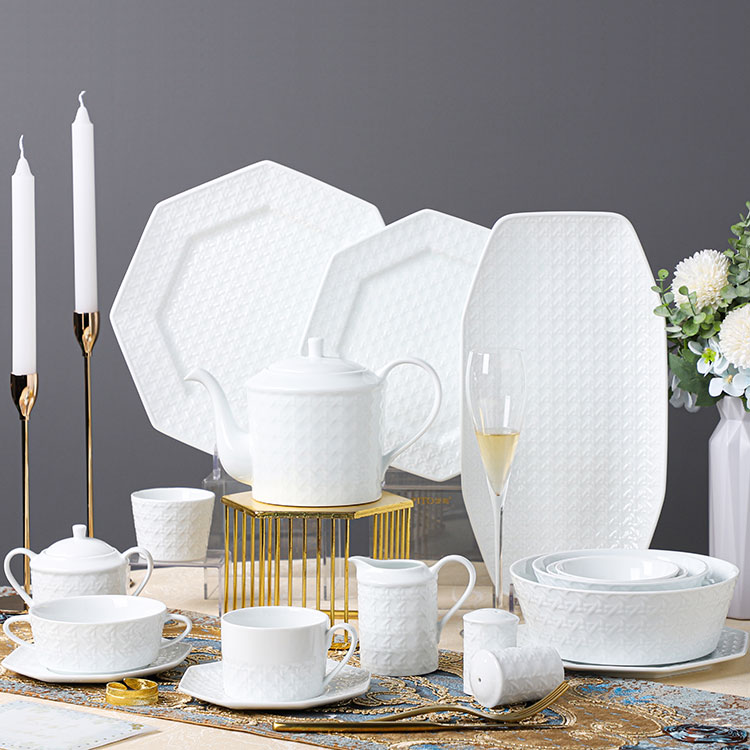
Dinnerware consists of the main vessels used to hold food, including:
- Dinner Plate: Used for the main course, typically 11–12 inches in diameter.
- Salad Plate: For salads or appetizers, usually 7–9 inches in diameter.
- Soup Bowl: Deep bowls used for soups.
- Dessert Plate: For serving desserts, usually 6–7 inches in diameter.
- Bread and Butter Plate: For bread and butter, typically 5–6 inches in diameter.
2. Serveware
Serveware is used to transfer food from the kitchen to the table and often includes:
- Serving Platter: For large portions of main or side dishes.
- Serving Bowl: For shared dishes like salads or pasta.
- Gravy Boat: For sauces or gravies.
- Butter Dish: For butter.
- Sugar Bowl and Creamer: Commonly used for tea or coffee service.
3. Flatware
Flatware refers to utensils used for cutting, picking up, or eating food, including:
- Knife: For cutting food, usually placed to the right of the plate.
- Fork: For picking up food, usually placed to the left of the plate.
- Spoon: For liquids or soft foods, usually placed to the right of the knife.
- Dessert Fork and Spoon: Used for desserts, typically placed above the plate.
4. Drinkware
Drinkware is used for serving various beverages, such as:
- Water Cup: For water, usually larger.
- Coffee Cup: For hot coffee or lattes, often served with a saucer to enjoy the aroma.
- Tea Cup: For tea or afternoon tea, medium-sized, often paired with a teapot.
- Wine Cup: Shapes and sizes vary depending on the type of wine.
Tableware for Different Occasions
The choice and arrangement of tableware vary depending on the formality and type of meal:
1. Basic Table Setting
Suitable for everyday meals or casual gatherings, usually includes:
- One dinner plate
- One soup bowl or salad plate
- One knife, fork, and spoon
- One water glass
2. Casual Table Setting
For informal parties or friendly gatherings, adds to the basic setting:
- Dessert fork and spoon
- Multiple drink glasses (e.g., red wine, white wine)
- Bread and butter plate
3. Formal Table Setting
For formal dinners or weddings, usually includes:
- Multiple layers of plates: serving plate, dinner plate, dessert plate, etc.
- Various utensils: fish knife, fish fork, soup spoon, etc.
- Multiple glasses: champagne flute, white wine glass, red wine glass, water glass
- Decorated napkin folds and other embellishments
Tips for Choosing and Coordinating Tableware
Material is an important consideration when selecting tableware. Common materials include porcelain, bone china, ceramic, and glass. Porcelain and bone china are often chosen for formal occasions due to their elegance, while ceramic and glass are more practical for everyday use because they are durable and easy to clean.
Color coordination also affects the dining atmosphere. White or gold tableware can create a romantic and refined feel for weddings or formal events, while bright and lively colors make casual gatherings more cheerful and relaxed.
The style of tableware should match the overall décor. Whether it’s modern minimalism, vintage elegance, or rustic farmhouse, consistent designs make the table setting harmonious and enhance the dining experience.
How to Choose the Right Tableware
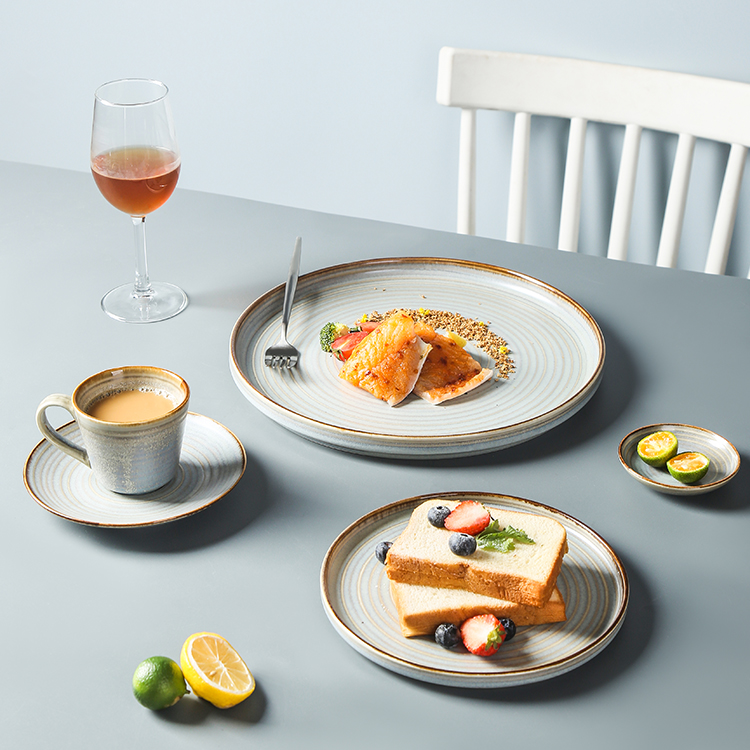
When selecting tableware, consider the dining occasion and your needs. For daily family meals, durable and easy-to-clean materials with simple designs are more practical. For formal dinners or special events, high-quality porcelain, bone china, or stylish designs add elegance and sophistication.
The style and design of the tableware should align with the occasion and personal preference to create a natural, comfortable table layout. Budget is another factor—opt for tableware with good value, and consider renting high-end pieces for special occasions if needed.
Conclusion
Tableware is more than just tools for holding food; it embodies culture, etiquette, and the overall dining experience. Understanding the function of different types of tableware and when to use them can elevate your meals and create a more enjoyable atmosphere. Whether for everyday dining or special occasions, choosing the right tableware adds both function and charm to the table.


LET'S TALK TOGETHER
Lorem ipsum dolor sit amet, consectetur estor adipi isicing elit, sed do eiusmod tempor este uterre incididui unt ut
