




PITO Article
The Hidden Costs of Cheap Tableware Most Restaurant Owners Ignore
In the fast-paced world of hospitality, margins are razor-thin, and every dollar saved feels like a victory. It’s no surprise that many restaurant owners look for ways to trim expenses, often starting with tableware. After all, how much difference can a plate really make?
Quite a lot, actually.
What seems like a harmless cost-cutting decision—choosing cheaper porcelain—often creates a ripple effect of problems: higher replacement costs, poor customer impressions, negative reviews, and missed opportunities to strengthen your brand.
Below, let’s break down the hidden costs of “saving” on tableware and why investing in quality pays off in the long run.
1. The Real Cost of Breakage
At first glance, saving a few dollars per plate or bowl feels like a win. But the real test isn’t the upfront cost—it’s durability.
Cheap porcelain is more prone to chips, cracks, and outright shattering during everyday service. And in a busy restaurant environment, accidents aren’t the exception—they’re the rule.
Picture a typical Saturday night: servers hustling between tables, bussers stacking dishes, and a constant rush of washing cycles in the back. A single bump is all it takes for a fragile plate to shatter, which leads to:
- Frequent Replacements – Constant reordering chips away at your supposed savings. Over a year, the cost of replacements can easily surpass what you would have spent on sturdier tableware upfront.
- Safety Risks – Broken porcelain creates sharp hazards for staff and guests, exposing you to liability issues in addition to operational disruptions.
The takeaway: Paying more for durable porcelain reduces both replacement frequency and workplace risk, ultimately lowering your total cost of ownership.
2. The Impact on Customer Perception
Food isn’t just eaten—it’s experienced. And tableware is an inseparable part of that experience.
Imagine serving a perfectly plated dish on a chipped plate. Or handing a latte in a mug with a faded, worn-out pattern. Even if the food is excellent, these details send subtle signals:
- Quality Concerns – Customers often equate the state of tableware with the quality of the food and service. A chipped plate whispers “cutting corners.”
- Negative Reviews – In the digital age, customers don’t hesitate to share these impressions online. Comments like “the food was great, but the plates looked cheap” can hurt your reputation more than you think.
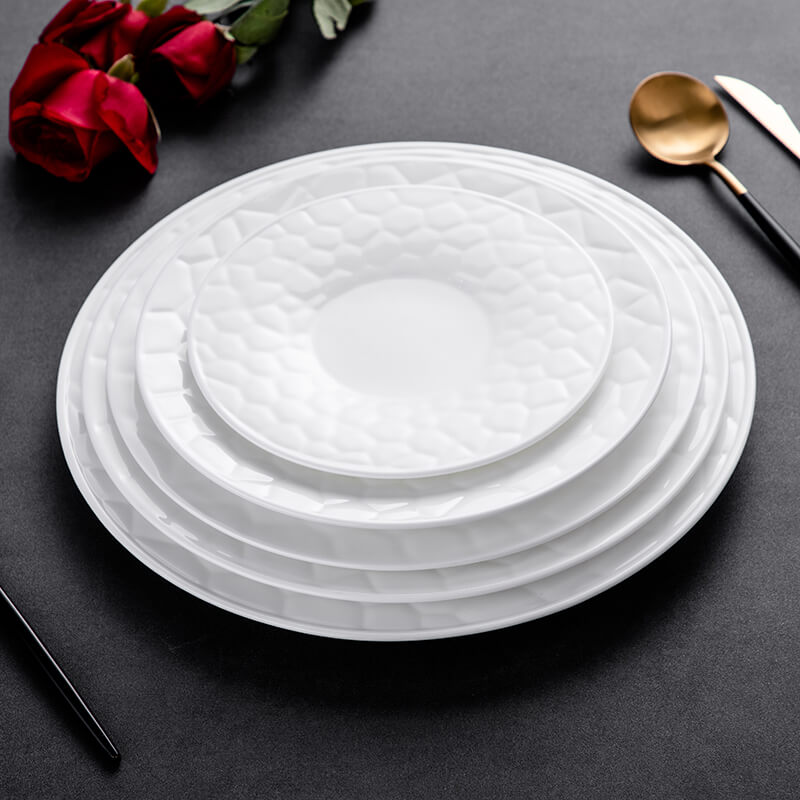
On the flip side, well-chosen, well-maintained porcelain adds polish to the dining experience. It communicates care, professionalism, and attention to detail—qualities diners reward with loyalty and glowing reviews.
3. Missed Marketing Opportunities
Beyond cost and perception, cheap tableware can also mean missed chances for organic growth and branding.
- Brand Consistency – Tableware is part of your restaurant’s identity. If you’re aiming for a refined, modern vibe but your plates look flimsy, the mismatch weakens your brand story.
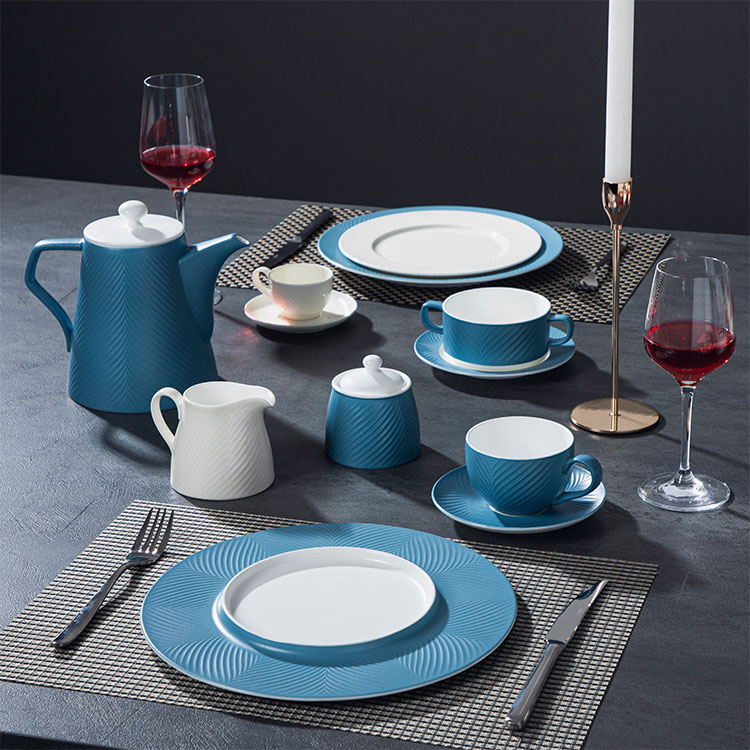
- The Social Media Factor – We live in an Instagram-first world. Diners love sharing photos of beautiful meals, but that free marketing depends on presentation. Elegant, high-quality tableware boosts your “shareability.” Bland or chipped plates rarely inspire photos—or free promotion.
Think Investment, Not Expense
It’s easy to justify cheap tableware when you’re staring at the numbers on a supplier’s catalog. But when you account for frequent replacements, safety risks, negative customer impressions, and lost branding opportunities, the “cheap” option often becomes the most expensive in the long run.
Quality porcelain isn’t just a tool—it’s an asset. It supports your staff, delights your customers, strengthens your brand, and even fuels organic marketing.
So, the next time you’re tempted by the lower price tag, ask yourself: Am I saving money—or setting myself up to spend more later?
Pro tip for restaurant owners: If you want to strike the balance between cost and quality, look for suppliers offering hospitality-grade porcelain. These are specifically engineered to handle heavy daily use without compromising aesthetics.


LET'S TALK TOGETHER
Lorem ipsum dolor sit amet, consectetur estor adipi isicing elit, sed do eiusmod tempor este uterre incididui unt ut
