




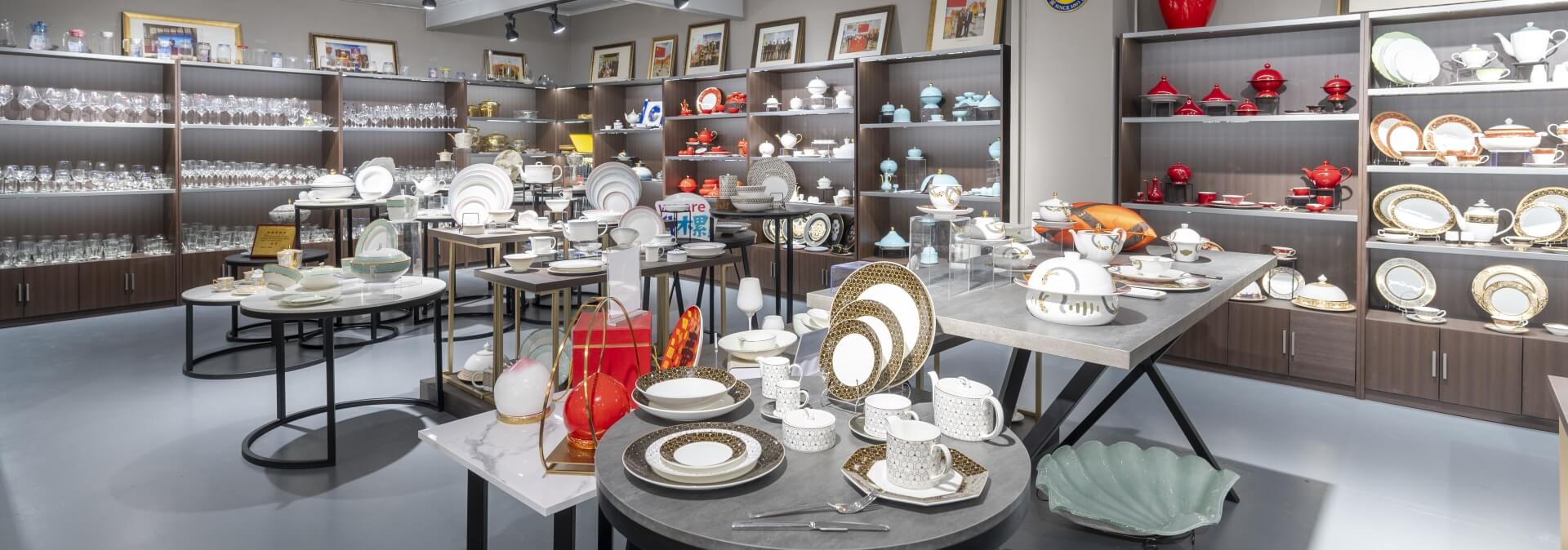
PITO Article
Style Your Dining Room with a French Table Setting
A French table setting brings timeless romance and refinement into the dining room. Tradition, etiquette, and thoughtful design create a sophisticated atmosphere that feels both welcoming and elegant. Many modern dining spaces reflect this influence through:
- Neutral palettes and natural materials that echo classic French restraint.
- A curated mix of antique and contemporary elements, delivering a balanced and inviting setting.
- The charm of blending casual pieces with elegant porcelain, allowing personality to shine.
Premium porcelain and bone china set the standard for French elegance. PITO’s porcelain dinnerware stands as the foundational decision for those seeking to achieve this level of distinction.
Porcelain: The Anchor of French Elegance
Defining French Table Setting
A French table setting extends far beyond the placement of plates and cutlery. It reflects centuries of dining culture shaped by craftsmanship, ritual, and a deep respect for culinary heritage.
Porcelain and bone china have consistently formed the foundation of this tradition, not only for their visual refinement, but for the discipline and precision they bring to the dining experience.
French hosts and professional tables alike favor porcelain for its ability to elevate both presentation and atmosphere. Its refined surface and subtle translucency introduce a sense of occasion without excess.
In formal dining settings, each component—from charger plates to main and starter plates—functions as part of a cohesive system, creating visual balance and structural clarity across the table. The result is a table that feels both inviting and sophisticated.
The historical significance of porcelain in French dining is deeply intertwined with the evolution of European table culture. Understanding this background helps explain why porcelain remains the material of choice in refined hospitality settings today:
| Evidence | Description |
|---|---|
| Porcelain Composition | Porcelain is made by heating raw materials, including kaolinite, at high temperatures, resulting in a strong and translucent material suitable for tableware. |
| Categories of Porcelain | Porcelain can be categorized into hard-paste, soft-paste, and bone china, each with different compositions and firing conditions, influencing their use in table settings. |
| Development of Bone China | The first bone china was developed in England in the 18th century, which later influenced European ceramics, including French tableware. |
Porcelain’s enduring popularity in the French table setting comes from its blend of beauty, strength, and tradition.
Translucency and Glaze in Porcelain
The appeal of fine porcelain lies in its distinctive interaction with light. Under ambient or candlelight, porcelain reveals a nuanced balance between luminosity and warmth—an effect that immediately sets it apart from heavier, more opaque ceramics.
This subtle visual depth contributes to the quiet elegance associated with French table settings, where refinement is expressed through restraint rather than ornament.
Hard-paste porcelain possesses a rare balance between surface brilliance and internal softness. While its glaze reflects light with clarity, the body of the porcelain gently diffuses illumination, creating a warm, understated depth.
When viewed under direct or ambient lighting, this interplay between reflection and translucency softens the material’s appearance. The result is a refined visual warmth—an effect that contributes to porcelain’s enduring presence on formal tables and in professional dining environments.
The glaze applied to fine porcelain serves both aesthetic and functional purposes. Its smooth, glass-like surface enhances visual clarity while protecting the material from staining and wear.
Combined with porcelain’s natural translucency, the glaze creates a surface that supports refined presentation and long-term performance—key considerations in formal dining and hospitality settings where consistency and detail matter.
In French table settings, porcelain is never merely decorative. Its interaction with light, surface finish, and material integrity work together to support both visual harmony and practical service. These qualities explain why fine porcelain continues to define standards in fine dining and high-end hospitality worldwide
Porcelain vs. Stoneware
Selecting the appropriate dinnerware material plays a decisive role in both visual presentation and operational performance. While porcelain and stoneware each possess distinct characteristics, their differences become especially relevant in French-inspired table settings and professional hospitality environments.
| Feature | Porcelain | Stoneware |
|---|---|---|
| Raw Materials | Primarily kaolin clay, mixed with feldspar | Mixture of stoneware clay, feldspar, and quartz |
| Firing Temperature | 1200°C to 1400°C (2192°F to 2552°F) | Around 1200°C (2192°F) |
| Appearance | Characteristically white or off-white with subtle translucency, offering a refined and luminous surface | Typically gray or brown, with a heavier, more rustic visual character |
| Scratch Resistance | Highly resistant due to dense, smooth surface | Less scratch-resistant, minor scratches add charm |
| Stain Resistance | Non-porous, resistant to staining | Generally non-porous, but can be more porous |
| Chip Resistance | Prone to chipping if dropped | Extremely durable and resistant to chipping |
| Ideal Use | Formal settings, fine dining | Casual dining, everyday use |
Porcelain’s fine grain, luminous surface, and visual clarity make it particularly suited to formal dining and refined hospitality environments. Its ability to frame cuisine without distraction allows chefs to present dishes with precision and intention.
Stoneware, by contrast, offers a more tactile and rustic appeal. Its durability and heavier appearance lend themselves well to casual dining concepts and relaxed service styles.
In French table settings—especially those associated with fine dining, banquets, and premium hospitality—porcelain remains the preferred standard. Its translucency, controlled gloss, and smooth glaze provide a neutral yet elevated canvas that supports culinary expression at the highest level.
Beyond aesthetics, material selection impacts durability, replacement cycles, and long-term operational efficiency. In high-turnover hospitality settings, porcelain’s dense body and refined glaze offer advantages in stain resistance, cleaning consistency, and visual longevity—factors that matter as much as appearance.
PITO’s Premium Porcelain Dinnerware
PITO stands at the forefront of luxury dining with its premium porcelain dinnerware collections. The brand’s dedication to craftsmanship and innovation has made it a trusted partner for hospitality professionals seeking to create authentic French table settings. Across its collections—from Modern High-Temperature Porcelain Dinnerware to the Paisley Plate Fine Porcelain Dinnerware, reflects a commitment to both elegance and resilience.
In professional hospitality settings, dinnerware must withstand frequent handling, repeated washing cycles, and constant visual scrutiny.
PITO’s Modern High-Temperature Porcelain Dinnerware is engineered to meet these demands, offering controlled translucency, surface stability, and enhanced resistance to chipping—without compromising the refined appearance expected of French-inspired table settings.
In professional dining environments, tableware functions as part of a larger system—supporting presentation, service rhythm, and guest perception. PITO’s porcelain collections are developed with this holistic role in mind. The porcelain’s translucency and smooth glaze provide a perfect canvas for culinary presentation, allowing chefs and hosts to showcase their artistry. The durability of these pieces means they withstand frequent use while retaining their beauty, making them ideal for both grand banquets and intimate gatherings.
PITO’s work has been recognized across international hospitality and design contexts, reflecting its long-term commitment to ceramic craftsmanship, innovation, and service reliability.
| Award/Recognition | Description |
|---|---|
| Guangdong’s Top Export Brand | Recognizes excellence in craftsmanship and international appeal. |
| Top 10 Chaozhou Tea Set Brand | Acknowledges PITO’s prominence in the tea set market. |
| Guangdong Intellectual Property Demonstration Enterprise | Highlights PITO’s commitment to innovation and intellectual property. |
| Official tableware sponsor of the Golden Globe Awards | Elevates PITO’s global prestige in the hospitality industry. |
| Designated banquet supplier for European heads of state | Demonstrates PITO’s high standards and recognition in official events. |
| Official tableware supplier for the Master Chef Summit | Affirms PITO’s reputation in professional culinary circles. |
| Selected by the Presidential Palace of Tajikistan | Used for official diplomatic banquets, showcasing international recognition and quality. |
PITO’s porcelain dinnerware sets the standard for French-inspired elegance. The brand’s attention to detail, from the translucency of the porcelain to the artistry of the designs, ensures that every table becomes a stage for memorable dining experiences. For those who value tradition, beauty, and durability, PITO offers a foundation upon which to build a truly refined French table setting.
Selecting Dinnerware for a French Table Setting
Choosing Authentic Porcelain and Bone China
Selecting the right dinnerware establishes the structural foundation of a refined French table setting. In both private and professional contexts, material choice reflects not only aesthetic intent, but also service expectations and dining formality.
When selecting porcelain and bone china, experienced hosts and hospitality professionals typically consider:
- Define whether the tableware is intended for daily service, formal occasions, or high-frequency professional use.
- Porcelain offers density and durability suitable for repeated service, while bone china provides enhanced translucency and refinement for formal settings.
- White porcelain remains the foundation of French table settings, valued for its neutrality and ability to highlight the natural colors of cuisine.
- When color is introduced, restraint is essential. One or two dominant tones allow the table to remain cohesive while adding character without visual overload.
- Special occasion pieces may include precious metal ornamentation, though these are not microwave safe.
- Patterns range from romantic to classic or modern, each bringing a unique character to the table.
Bone china incorporates bone ash within its composition, resulting in a lighter body and enhanced translucency. Its refined surface and visual delicacy make it well suited to formal dining environments where presentation takes precedence.
Porcelain, denser and more robust, offers greater versatility across both formal and high-frequency service contexts. Porcelain, denser and heavier, offers a more matte appearance and robust durability. Both materials reflect a commitment to quality and tradition.
PITO’s collections, crafted from premium porcelain and bone china, embody these standards. The Modern High-Temperature Porcelain Dinnerware delivers durability for daily use, while the Paisley Plate Fine Porcelain Dinnerware brings a touch of luxury to special occasions.
Signature Patterns and Rim Designs
Patterns and rim designs play a significant role in expressing regional French aesthetics. Each motif tells a story, reflecting the era and locale from which it originated. The following table highlights some classic patterns and their influences:
| Pattern Name | Description | Aesthetic Influence |
|---|---|---|
| Schleiger 86 | Pink flowers, green leaves, gold rim | Victorian romanticism and nature |
| Ranson | Embossed, undecorated, highlights porcelain quality | Timeless simplicity and elegance |
| Apple Blossom | Soft pink blossoms on white | Mid-century modern design |
| Rosalinde | Pink roses, soft green leaves | Classic, understated elegance |
| Blue Garland | Blue floral garlands, grey-green leaves | Traditional celebrations, timeless beauty |
| Vieux Paris | Intricate details, luxurious gold accents | Antique French opulence |
| Limoges Bird of Paradise | Exotic birds amid floral elements | Fascination with nature and exotic motifs |
PITO’s Paisley Plate Fine Porcelain Dinnerware features intricate designs inspired by European traditions, offering a sophisticated backdrop for any meal. The brand’s attention to detail ensures that each piece enhances the overall visual harmony of the table.
Layering Plates for Depth
Layering plates adds visual depth and dimension to the French table setting. This technique involves stacking different plate sizes and shapes to create a sense of abundance and anticipation. Hosts typically begin with a charger plate as the base, followed by a dinner plate, and then a salad or appetizer plate. Each layer serves a purpose:
- The charger plate provides visual grounding and defines the place setting.
- The dinner plate functions as the primary presentation surface.
- Starter or salad plates introduce variation while maintaining structural balance.
This approach not only elevates the presentation but also allows for seamless transitions between courses. PITO’s dinnerware collections, with their consistent sizing and elegant profiles, make layering effortless. The result is a table that feels thoughtfully composed and ready for a memorable dining experience.
Colorful Glazed Plate and Brown Salad Plates
French table settings are defined by restraint, yet they allow for carefully considered moments of expression. Color, when applied with intention, introduces depth and warmth without disrupting the table’s visual harmony. These pieces introduce both vibrancy and warmth, transforming the dining experience into a visual feast.
Colorful glazed plates, such as those found in PITO’s Colorful Glazed Plate Porcelain Dinnerware collection, bring a lively energy to the table. Their rich hues can highlight seasonal ingredients or complement floral centerpieces. In refined dining environments, such plates are best used selectively—often as accent pieces within a predominantly neutral table setting—to guide the eye while preserving overall cohesion. The smooth, glossy finish of high-quality porcelain enhances the depth of color, making each plate a statement piece.
Brown salad plates, like PITO’s Brown Salad Plates High Feet Plate, offer a grounding element. Their earthy tones evoke a sense of comfort and hospitality. These plates work especially well in autumn or rustic-themed settings, where natural textures and colors take center stage. The elevated foot design adds dimension, lifting the salad course and giving it prominence among the layered plates.
The interplay between colorful glazed plates and brown salad plates creates a cohesive and inviting atmosphere. Consider the following ways these elements contribute to the overall visual harmony:
- Controlled use of color introduces rhythm without overwhelming the table.
- Earth-toned elements provide visual stability and warmth.
- Together, contrast and restraint create a cohesive and timeless composition.
In professional hospitality settings, decorative elements must perform as reliably as they appear. High-quality glazed porcelain offers surface stability, color longevity, and resistance to staining—ensuring that aesthetic accents remain consistent over time. Its food-safe, lead-free finish ensures safety and ease of cleaning. The Brown Salad Plates High Feet Plate, crafted from fine porcelain, resists stains and maintains its luster over time. Both collections stack easily, saving space while maintaining a refined appearance.
Professional hosts and restaurateurs value these plates for their ability to adapt to different themes and occasions. By mixing and matching colorful and earthy tones, they create tablescapes that feel both curated and effortless. The result is a French-inspired dining room that welcomes guests with beauty, warmth, and a sense of celebration.
For a truly authentic French look, alternate colorful glazed plates with brown salad plates across the table. This approach adds rhythm and visual interest, ensuring every guest enjoys a unique yet harmonious setting.
Linens and Tablecloths: Enhancing Porcelain
Natural Materials and Colors
In French table settings, linens serve as the visual and tactile foundation upon which porcelain dinnerware is presented. Linen, valued for its natural texture and understated elegance, complements fine porcelain without competing for attention. Linen’s reputation stems from its balance of durability and softness—qualities that make it well suited to refined dining environments where repeated use must not compromise appearance.
- Linen offers strength combined with a naturally soft hand feel.
- Its breathable structure supports long-term use and easy maintenance.
- A subtle, matte luster enhances porcelain without visual distraction.
- The French textile industry prizes linen for its strength and softness, making it a preferred material for high-end table linens.
Color selection plays a crucial role in setting the mood. Neutral tones such as ivory, beige, and soft gray create a serene backdrop that allows porcelain dinnerware to shine. For a more vibrant atmosphere, hosts may introduce pastel shades or subtle patterns that echo the motifs found on fine porcelain plates. The goal is to achieve balance—linens should support, not overpower, the tableware.
Tablecloth Drop and Drape
Proportion and drape influence how structured or relaxed a dining space feels. In refined French table settings, tablecloths should fall with intention—neither overly dramatic nor overly casual. French etiquette experts recommend a specific drop length to achieve a refined look. In formal dining environments, established guidelines help maintain visual balance and guest comfort:
| Source | Recommended Drop Length |
|---|---|
| Etiquette Scholar | 10 to 15 inches |
| Emily Post | 12 to 18 inches |
A drop within these measurements ensures the tablecloth hangs gracefully, covering the table’s edges without touching the floor. This creates a polished appearance and prevents guests from tripping over excess fabric. The drape should appear smooth and even on all sides, with corners falling naturally. For formal occasions, a crisp, well-pressed tablecloth signals attention to detail and respect for tradition.
Napkin Placement and Folding
Napkins serve both functional and decorative roles in a French table setting. Their placement and folding style vary depending on the occasion. For casual meals, hosts often place napkins on the left side of the plate or directly on the plate, neatly folded or slipped through a napkin ring. Formal settings demand greater refinement, with high-quality textiles and intricate folding techniques.
| Dining Occasion | Napkin Placement | Napkin Folding |
|---|---|---|
| Casual | On the left side of the plate or on the plate | Neatly folded, often with napkin rings |
| Formal | Centered on the charger or dinner plate | Artistic folds, such as fans or envelopes |
A well-folded napkin adds a touch of artistry and signals the start of the meal. In formal settings, napkins often feature subtle embroidery or monograms, further enhancing the table’s elegance. The choice of linen napkins, paired with porcelain dinnerware, completes the French dining experience by uniting comfort, beauty, and tradition.
Select linen napkins in a shade that matches or gently contrasts with the tablecloth. This approach highlights the porcelain and creates a cohesive, inviting atmosphere.
Glassware Arrangement for French Table Setting
A well-curated glassware arrangement elevates the dining experience and reflects the precision of French etiquette. Selecting and positioning the right glasses signals attention to detail and enhances the overall presentation.
Types of Glassware
A formal French table typically includes a curated selection of glassware, each intended to accompany a specific moment in the dining sequence. Hosts typically include the following types:
- Aperitif or welcome drink glass
- Water goblet
- Wine glasses for white wine, red wine, and champagne
- Dessert wine or digestif glass
Each glass serves a specific purpose, supporting the flow of courses and the enjoyment of each drink. The presence of multiple glasses demonstrates readiness for a multi-course meal and highlights the sophistication of the occasion. PITO offers a range of glassware options that align with these requirements, ensuring both elegance and durability for hospitality professionals.
Placement and Service Order
Proper placement of glassware follows a precise order in French dining etiquette. The arrangement starts above the dinner knife and progresses outward, reflecting the sequence of service:
- Glass for water
- Glass for white wine
- Glass for red wine
- Champagne flute, when applicable
This order allows servers to present beverages in the correct sequence, moving from water to lighter wines, then to fuller-bodied reds, and finally to champagne. Each glass sits slightly behind and to the right of the previous one, creating a gentle diagonal line. This arrangement not only supports efficient service but also maintains visual harmony on the table.
Aligning glass bases with the plate edge reinforces visual order and ensures consistent spacing across the table—an essential detail in professional service environments.
Mixing Styles for Elegance
Thoughtful mixing of glassware styles can introduce character without compromising cohesion. In French table settings, contrast is most effective when anchored by a consistent material tone or silhouette. French hosts often mix vintage-inspired pieces with modern goblets, creating a relaxed yet refined atmosphere. The following table illustrates how various elements contribute to the elegance of the setting:
| Element Description | Contribution to Elegance |
|---|---|
| Mix elegant and rustic flatware | Combines classic and vintage styles for character and charm |
| Incorporate woven elements | Adds warmth and balances elegance with rustic touches |
| Use delicate blue and white porcelain accents | Reinforces color palette and adds a collected feel |
| Showcase a vintage silver or pewter pitcher | Provides understated elegance while being functional |
| Use vintage dessert glasses and new goblets | Creates visual interest and beauty through mixing styles |
| Incorporate vintage-inspired glassware | Enhances charm with delicate designs, contributing to relaxed elegance |
PITO’s glassware collections allow for creative combinations, supporting both formal and casual interpretations of the French table setting. By thoughtfully mixing styles, hosts can achieve a look that feels curated and inviting, while maintaining the standards of professional hospitality.
Cutlery and Plate Placement: French Etiquette
Traditional Placement Rules
French dining etiquette emphasizes precision and harmony in the arrangement of cutlery and plates. Each element has a designated position, reflecting centuries of tradition and a commitment to refined presentation.
Align plates with the edge of the table, maintaining a gap of 2 to 5 centimeters.
Place silverware 1.3 centimeters from the table’s edge. Forks rest on the left, knives on the right, with blades facing inward.
Position the cheese knife and dessert spoon above the plate, between the plate and the glassware.
Adapt silverware to the meal, using specific knives and forks for each course.
Arrange cutlery in the order of use, from the outside in, for banquets. For à la carte service, set basic silverware and add more as needed.
A fork sits to the left of the plate, while a knife occupies the right. If soup is served, a soup spoon joins the knife. A small spoon and dessert fork rest above the plate, ready for the final course. The tines of the forks may face up or down, depending on regional style.
PITO’s cutlery collections offer the versatility and elegance required for both formal banquets and casual dining. Each piece features balanced weight and refined finishes, ensuring a seamless fit with premium porcelain dinnerware.
Multi-Course Setup
A French table setting supports the flow of a multi-course meal. The arrangement of plates, cutlery, and glassware guides guests through each stage of the dining experience.
- The dinner plate forms the foundation, with a smaller starter plate placed on top.
- Cutlery aligns with the order of courses: knife on the right, fork on the left, and soup spoon next to the knife if needed.
- Glasses include a water goblet, red wine glass, white wine glass, and, for formal occasions, a champagne flute. These are arranged diagonally or in a triangle for visual balance.
- The bread plate sits to the left of the main plate, with a butter knife resting on or beside it.
- Plates arrive from the left and are cleared from the right, maintaining a smooth service rhythm.
PITO’s accessory range, including bread plates and serving utensils, complements this structure. Each item supports the seamless transition between courses, enhancing both function and style.
Dessert cutlery is often brought out with the dessert, keeping the table uncluttered during earlier courses.
Accessories and Table Signals
French etiquette extends beyond placement to include subtle signals and accessories that guide the dining experience. These cues help servers and guests communicate discreetly.
| Signal Description | Meaning |
|---|---|
| Close your menu and place it beside your plate | Ready to order |
| Place fork and knife at the edge of the plate, points together | Taking a break |
| Place knife and fork side by side near the three o’clock position | Finished eating |
Elegant accessories, such as napkin rings, menu holders, and bread baskets, add polish to the table. PITO’s curated accessory selection ensures every detail aligns with French tradition, supporting both hospitality professionals and home entertainers in creating a flawless dining atmosphere.
Creating Ambiance: Lighting and Centerpieces
Candlelight and Mood
Layered lighting defines spatial perception and focus in French table settings. Ambient, accent, and task lighting guide guest attention toward the table while supporting both service and presentation standards. Wall sconces and table lamps work together to provide both ambient and focused lighting. Dimmer switches allow for adjustable brightness, making it easy to shift from a lively brunch to an intimate evening meal. Table lamps placed strategically can highlight the center of the table, drawing attention to the meal and the conversation.
Distinctive lighting elements, such as elegant candleholders or antique chandeliers, transform the dining space into a sanctuary of comfort. Candlelight remains a classic choice, casting a soft glow that flatters both guests and tableware. When paired with PITO’s luminous porcelain plates and glassware, the interplay of light and reflection enhances the sense of luxury. The porcelain’s subtle sheen captures candlelight, creating a sophisticated ambiance that elevates every meal.
Use a mix of candles and dimmable lamps to create intimate lighting zones. This approach adds depth and drama to the dining area.
Floral Arrangements
Floral arrangements play a central role in French table settings. French florists select blooms based on the season, ensuring that each arrangement feels fresh and authentic. In spring, tulips and peonies bring vibrant colors and large petals to the table. Summer introduces lighter flowers, while autumn and winter feature heartier varieties. The choice of flowers changes with the seasons, reflecting the natural beauty of the French countryside.
French arrangements often follow a specific color palette, using either warm or cool tones to complement the table’s overall look. Rather than adhering to rigid designs, French hosts embrace organic shapes and natural movement in their centerpieces. PITO’s porcelain vases and serving pieces provide an elegant foundation for these arrangements, allowing the colors and textures of the flowers to stand out.
Seasonal and Personal Touches
Adding seasonal and personal touches brings character and warmth to the French dining experience. Hosts often incorporate natural elements, vintage finds, and thoughtful details that reflect their style or the occasion.
| Type of Touch | Examples |
|---|---|
| Decor Elements | Use natural or textured materials to define zones without drawing focus from porcelain. |
| Personal Touches | Introduce subtle personal or seasonal accents sparingly, maintaining compositional balance. |
| Seasonal Decorations | Repeat form, color, or texture elements across the table to reinforce cohesion. |
Personalized place cards, themed decorations, and thoughtfully designed place settings make each guest feel special. When elegant tableware, lighting, and decorative accents are considered as a coordinated system, each element reinforces the others. Porcelain provides a stable, reflective foundation that highlights seasonal or personalized touches without compromising the overall composition or service flow.
Plating Techniques and Presentation
Negative Space and Central Plating
French plating techniques rely on the principle of negative space to create a refined and artistic presentation. Chefs avoid overcrowding the plate, allowing each element to stand out. This approach gives the dish room to breathe and draws the eye to the central focal point. Plates with wide rims, such as those found in PITO’s Modern High-Temperature Porcelain Dinnerware, provide an ideal canvas for this style. The buffer zone between the rim and the food enhances the visual impact, making smaller portions appear more sophisticated. Hosts often position the main component at the center, maintaining a clean border that highlights both the cuisine and the porcelain’s elegant finish.
- Wide-rimmed plates create space for artistic presentation.
- Central plating focuses attention on the dish and the dinnerware.
- A buffer zone from the rim reinforces the focal point.
This technique elevates the dining experience, allowing the beauty of PITO’s porcelain to complement the chef’s artistry.
Natural Garnishes
Natural garnishes add freshness and vibrancy to French plating. Chefs select ingredients that enhance both flavor and appearance. Fresh herbs, edible flowers, and microgreens often decorate the plate, introducing color and texture. These garnishes reflect the season and the chef’s creativity, while also supporting the overall harmony of the table setting.
- Fresh herbs provide aromatic accents.
- Edible flowers introduce delicate color.
- Microgreens add a touch of elegance.
PITO’s Paisley Plate Fine Porcelain Dinnerware offers a smooth, non-porous surface that showcases these garnishes beautifully. The contrast between the porcelain’s sheen and the natural elements creates a memorable visual effect.
Arrange garnishes with intention, placing them to frame the main component without overwhelming the plate.
Color Contrast and Texture
Color contrast and texture play a vital role in French table presentations. Chefs use a vibrant palette of ingredients to stimulate the appetite and highlight freshness. The interplay of colors—such as bright vegetables against a white porcelain plate—creates striking presentations that capture attention. Textural contrasts, like crunchy garnishes atop creamy bases, add depth and interest to each dish.
| Element | Impact on Presentation |
|---|---|
| Color Contrast | Highlights freshness, stimulates appetite |
| Texture Variety | Creates multisensory dining experience |
| Smooth vs. Crunchy | Adds depth and excitement |
PITO’s Colorful Glazed Plate Porcelain Dinnerware and Brown Salad Plates High Feet Plate enhance these effects. Their refined surfaces and rich hues provide a backdrop that amplifies both color and texture. Chefs and hosts achieve a multisensory experience, making each meal visually appealing and memorable.
Combining smooth porcelain with vibrant ingredients and varied textures ensures every plate becomes a work of art.
French Dining Rituals and Atmosphere
French dining rituals create an atmosphere that blends tradition, etiquette, and hospitality. Every detail, from the pacing of courses to the host’s attentive role, shapes the experience. The French table setting stands as a symbol of refinement, guiding guests through a memorable meal.
Meal Pacing and Structure
A classic French meal unfolds in a deliberate sequence, allowing guests to savor each course. The structure encourages conversation and appreciation of flavors. The following table outlines the typical progression:
| Course | Purpose | Examples |
|---|---|---|
| Apéritif | Welcome, spark appetite | French 75, dry wine, olives, small tarts |
| Hors d’Oeuvre | Starter before main sequence | Onion soup, carpaccio, small quiche |
| Entrée | First plated course | Soup, soufflé, seafood dish |
| Plat Principal | Main dish | Roast chicken, beef bourguignon, fish |
| Salade | Palate cleanser | Green lettuce with vinaigrette |
| Fromage | Cheese tasting | Cheese board with bread, fruit, nuts |
| Dessert | Sweet finish | Chocolate mousse, apple tart, fruit |
| Café & Digestif | Coffee and after-dinner drink | Espresso; cognac, brandy, Armagnac |
PITO’s porcelain dinnerware supports this structure by providing distinct plates for each course. The elegant transitions between pieces help maintain the rhythm of the meal, ensuring every dish receives its moment.
Host’s Role and Conversation
The host plays a vital role in shaping the dining atmosphere. Their responsibilities extend beyond serving food. They ensure guests feel comfortable and well cared for throughout the evening.
- The host refills glasses and offers additional servings, demonstrating attentiveness.
- They guide the flow of conversation, encouraging everyone to participate.
- At the conclusion of the meal, the host presents coffee, herbal tea, or a digestif, extending hospitality and marking a graceful end.
PITO’s tableware collections enable hosts to serve with confidence. The durability and beauty of each piece allow for seamless transitions, supporting both casual gatherings and formal banquets.
Behavioral Etiquette
Behavioral etiquette remains central to French dining culture. Guests and hosts observe several key practices to maintain harmony and respect.
- Greetings matter; guests greet waitstaff upon arrival.
- Seating arrangements allow flexibility, with couples often sitting side by side.
- Meals follow a set order, beginning with starters and ending with coffee.
- Voices stay low to preserve a peaceful environment.
- Waiters respond to eye contact rather than frequent check-ins.
- Tipping is optional, though rounding up is appreciated.
PITO’s commitment to quality ensures that tableware enhances these rituals. Plates, glasses, and cutlery present each course with elegance, reinforcing the values of respect and tradition. Professional settings benefit from this attention to detail, creating an atmosphere where guests feel valued and engaged.
Hosts who master these rituals and etiquette elevate every meal, transforming dining into an art form.
Final Touches and Tableware Care
Personal Flair and Accents
Adding personal flair transforms a French table setting from elegant to unforgettable. Hosts often introduce unique accents that reflect their style or the occasion. Monogrammed napkins, custom place cards, or small keepsakes at each setting create a sense of exclusivity. Fresh herbs tied with twine, miniature bouquets, or vintage salt cellars add charm and warmth. A carefully chosen centerpiece, such as a porcelain vase from PITO’s collection, can anchor the table and spark conversation. These thoughtful details invite guests to feel valued and engaged.
Rotate decorative elements seasonally to keep the dining experience fresh and memorable.
Care and Longevity of Porcelain
Proper care ensures that fine porcelain dinnerware remains beautiful and functional for years. Hospitality professionals and home entertainers alike benefit from adopting best practices:
- Handwash porcelain with warm water and mild soap. Avoid abrasive sponges or harsh chemicals.
- Prevent thermal shock by allowing dishes to reach room temperature before washing or serving hot foods.
- Remove stains gently using a mixture of lemon juice and water.
- Stack plates with soft liners or cloth between each piece to prevent scratches.
- Address chips promptly. Small chips can be repaired at home, but major damage requires professional attention.
- Handwash pieces with metallic accents to preserve their finish.
- For vintage or heirloom porcelain, consult a specialist for cleaning and restoration.
- Use coasters and placemats to protect surfaces and minimize wear.
PITO’s porcelain dinnerware features high impact strength and chip resistance, making it ideal for demanding hospitality environments. The specially formulated glaze resists stains and abrasion, ensuring each piece maintains its pristine appearance even after frequent use.
Upgrading Lifestyle Quality
Premium porcelain dinnerware elevates both the dining experience and overall lifestyle quality. High-quality plates and bowls enhance the visual appeal of every meal, making even simple dishes feel special. Fine porcelain retains heat effectively, keeping food at the ideal temperature throughout the course. An elegant table setting with distinctive pieces leaves a lasting impression on guests and encourages meaningful conversation.
- Meals served on refined dinnerware often promote slower, more mindful eating.
- Beautifully arranged plates can boost mood and appetite, turning everyday dining into a celebration.
- PITO’s collections offer durability and timeless design, providing long-term value for hotels, restaurants, and discerning hosts.
A commitment to quality tableware signals attention to detail and a passion for hospitality. By investing in PITO’s premium porcelain, hosts and professionals create memorable experiences that guests will cherish.
A refined French table setting emerges from the coordinated interplay of material, structure, and atmosphere. Premium porcelain and bone china serve as the foundation, complemented by layered plates, thoughtfully chosen linens, and intentional glassware placement.
By considering each component as part of a unified system, hospitality professionals and hosts alike can deliver dining experiences that are consistent, visually coherent, and fully aligned with the standards of high-end service.


LET'S TALK TOGETHER
Lorem ipsum dolor sit amet, consectetur estor adipi isicing elit, sed do eiusmod tempor este uterre incididui unt ut
