




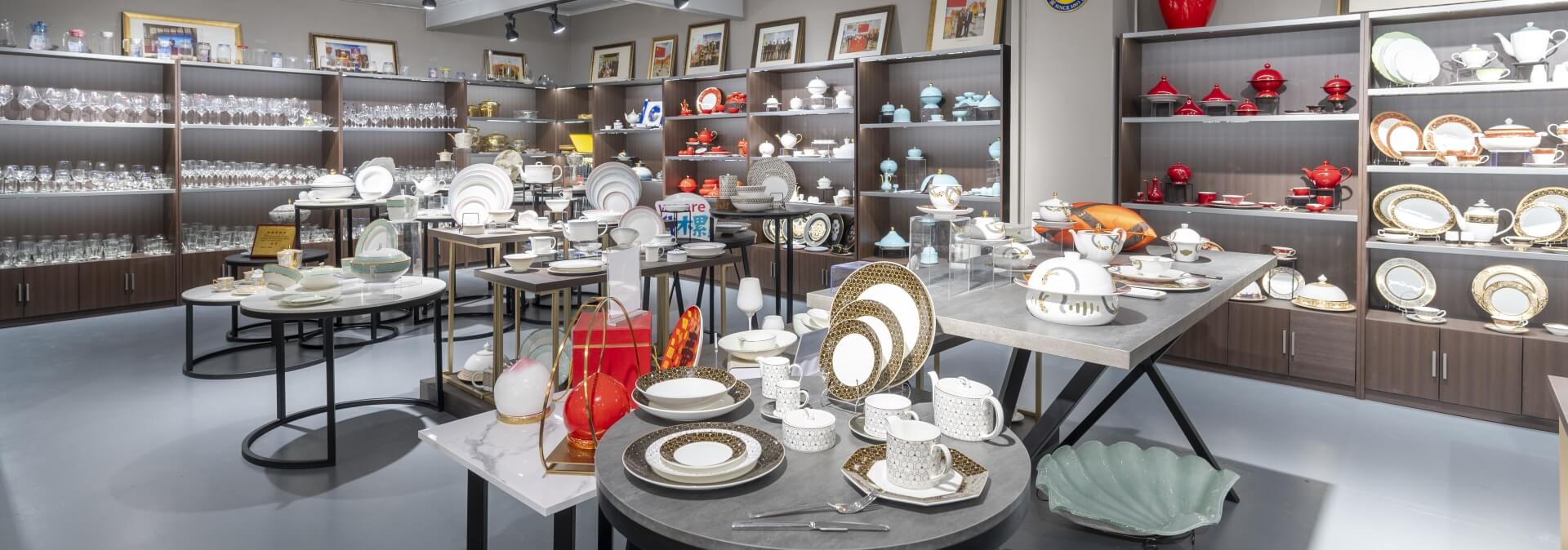
PITO Article
Simple Ways to Match Tableware with Your Hotel’s Style
The establishment of a cohesive tableware theme represents a critical strategy for optimizing the hospitality dining experience. Tableware selection extends beyond functional utility; these assets serve as tangible reflections of a hotel’s institutional character and significantly influence guest perception. Industry data indicates that meticulous tableware procurement directly correlates with enhanced guest satisfaction metrics and positive digital reputation management.
Key Takeaways
- Select dinnerware solutions that precisely mirror the hotel’s unique architectural style and environmental ambiance to elevate guest engagement.
- Leverage psychological color theory to select tableware that strategically influences guest mood and appetite while maintaining brand alignment.
- Implement bespoke tableware branding via logo integration to catalyze brand recognition and provide a distinguished dining experience.
- Maintain aesthetic uniformity across all dining venues to reinforce the institutional image and optimize guest satisfaction levels.
- Conduct systematic audits and inventory refreshes to ensure tableware remains modern, functional, and compliant with evolving guest expectations.
Define Your Hotel’s Style
Assess Visual Elements and Ambiance
The initial phase of aligning tableware with a hotel’s identity requires a comprehensive analysis of the property’s visual components and atmospheric variables. Elements such as lighting, color palette, and interior design all influence how guests experience your space. For instance, a lobby characterized by diffused lighting and neutral gradients facilitates a serene, contemporary atmosphere. Conversely, high-contrast color schemes and dramatic lighting installations are utilized to energize a space and establish a vibrant tone.
| Color Classification | Impact on People | Tableware Selection Implications |
|---|---|---|
| Warm Spectrums (reds, oranges, yellows) | Stimulating, energetic | Facilitates the selection of dynamic, high-energy tableware configurations |
| Cool Spectrums (blues, greens, purples) | Calming, restorative | Promotes the adoption of elegant, understated tableware selections |
| Neutral Gradients (whites, grays, beiges) | Minimalist, modern | Provides a versatile foundation for diverse tableware styles to achieve prominence |
By understanding these visual elements, hotels can choose tableware that supports a consistent and attractive dining atmosphere.
Identify Key Style Keywords
To define your hotel’s style more clearly, you need to identify what makes your property unique. Hospitality executives utilize specific nomenclature to encapsulate brand essence and successfully target defined market segments.
Practitioners can identify critical stylistic keywords by focusing on niche-specific descriptors—long-tail phrases that capture precise travel intent. For example, descriptors such as “urban rooftop destination” or “specialized boutique breakfast service” are derived from the property’s unique selling propositions (USPs). These terms facilitate higher conversion rates and guide the procurement process toward more relevant assets.
Selected keywords must reflect institutional strengths, such as “luxury,” “boutique,” or “family-centric.” This nomenclature serves as a foundational guide for tableware selection, ensuring consistency across all guest touchpoints.
Connect Decor to Tableware Choices
To facilitate a seamless guest experience, an explicit connection must be established between interior decor and tableware assets. This process begins with the classification of the property within standard industry categories:
- Star rating and classification
- Service tier (economy, mid-scale, boutique, luxury)
- Ownership structure (independent, franchise, corporate chain)
- Target demographic (families, corporate travelers, luxury segments)
- Physical scale (small, mid-size, large-scale)
- Occupancy duration (short-term, extended-stay)
A luxury establishment typically prioritizes fine bone china and intricate patterns, whereas a boutique property may opt for avant-garde geometries or vibrant color palettes. The alignment of tableware with interior decor and brand identity ensures a cohesive theme that resonates with the guest and solidifies the hotel’s market positioning.
Select Tableware Materials and Colors
PITO Porcelain and Bone China Options
Choosing the right material is essential for maintaining a consistent tableware style. PITO provides both porcelain and bone china dinnerware, each engineered with distinct technical advantages. Porcelain is durable, versatile, and resistant to high temperatures, making it ideal for daily use in hotels. Bone china offers superior structural integrity, significant translucency, and advanced thermal insulation properties. Both materials are characterized by low mass and are certified dishwasher-safe, making them optimal for high-volume hospitality environments.
| Material | Primary Technical Strengths |
|---|---|
| Porcelain | Structural durability, versatile application, thermal resistance, aesthetic appeal, low mass |
| Bone China | Superior tensile strength, high translucency, lightweight profile, thermal insulation, dishwasher compatibility |
Hospitality operators benefit from the extended service life of these materials, which minimizes replacement frequency and ensures a consistent guest experience. Furthermore, ceramic tableware supports institutional sustainability initiatives, as these materials are reusable and recyclable, thereby reducing environmental impact.
Color Psychology in Tableware Selection
Chromatic variables exert a significant influence on guest perception and the physiological dining experience. The strategic selection of plate color can optimize appetite, influence mood, and reinforce the venue’s ambiance.
| Plate Color | Physiological and Psychological Impact |
|---|---|
| Red | Enhances emotional resonance and may stimulate higher consumption rates |
| Orange | Evokes warmth and facilitates social interaction; supports communal dining |
| Yellow | Promotes positivity and institutional approachability |
| Blue | Correlates with tranquility; traditionally associated with appetite suppression |
| Green | Reinforces perceptions of freshness and organic quality |
- Red serves to stimulate appetite and heighten guest attention.
- Blue establishes a restorative atmosphere and can enhance taste perception.
- Orange promotes interpersonal dialogue and metabolic stimulation.
- Yellow facilitates a sense of creative energy and optimism.
- Green provides a visual signal for health and ingredient freshness.
- Brown provides an organic, grounded aesthetic.
- White and black serve to emphasize hygiene and culinary sophistication.
Selecting a color palette that aligns with the hotel’s brand and culinary concept is essential for reinforcing a cohesive tableware theme.
Balancing Simplicity and Statement Pieces
A good tableware setup should balance simple everyday pieces with eye-catching statement items. Standardized designs, such as classic white porcelain, provide operational versatility and ensure the focus remains on culinary presentation. Conversely, statement assets—such as chromatic porcelain plates or spiral-patterned service vessels—introduce visual complexity and reinforce the hotel’s unique style. It is recommended to utilize statement pieces for signature offerings or specialized events while maintaining a consistent base inventory for standard service.
The periodic rotation of statement components on a seasonal basis ensures the dining environment remains dynamic and engaging for recurring clientele.
This methodology ensures that the tableware inventory remains functional and elegant while adhering strictly to the hotel’s brand identity.
Customize for Brand Identity
Incorporate Logos and Unique Designs
Custom tableware with your logo and unique design is a powerful way to strengthen your brand. The integration of branding onto plates, cups, and service vessels ensures the brand remains central to the guest experience throughout the dining duration. This approach enhances brand salience and signals a commitment to professional excellence and quality assurance.
- Bespoke logo-printed tableware maintains constant brand visibility, facilitating higher recall rates.
- These assets reflect a high level of professionalism and dedication to brand identity, positively influencing guest perception.
- The presence of institutional branding on dining assets fosters a subconscious association with reliability and quality, thereby increasing guest loyalty.
“The implementation of branded tableware, including beverage and service vessels, exerts a direct influence on initial guest impressions and subsequent success within the HoReCa sector.”
- Hotels may utilize several methodologies to develop distinctive tableware:
- Engineering a bespoke dinnerware collection that encapsulates the property’s unique persona.
- Deriving inspiration from geological textures, historical art movements, or regional cultural heritage.
- Employing advanced decoration techniques: underglaze for maximum durability, overglaze for vibrant chromaticity, decal application for complex patterns, and hand-painted detailing for exclusivity.
- Collaborating with manufacturers to ensure precise color calibration and compliance with food safety standards.
- Selecting silhouettes—ranging from traditional circular forms to asymmetrical geometries—that align with the brand’s aesthetic and functional requirements.
Reinforce Brand Story Through Tableware
Tableware functions as a physical extension of the hotel’s brand narrative. Strategic procurement facilitates a cohesive theme that fosters a deeper connection with the guest. Ceramic assets can be designed to reflect institutional culture, core values, and design philosophy. High-tier custom components establish a visual language that elevates the overall guest experience.
Multiple hospitality enterprises have successfully aligned their tableware inventory with their brand narrative:
| Case Study | Strategic Implementation | Quantifiable Results |
|---|---|---|
| The Elegant Bistro | Implementation of signature blue glazes, organic forms, and logo impressions | 32% increase in digital engagement; rise in guest retention; reduced amortization costs |
| The Olive Tree | Integration of earth-toned glazes, rustic finishes, and botanical motifs | Successful reinforcement of culinary philosophy through brand storytelling |
| Ammy’s Coffee | Utilization of high-grade white porcelain and monochromatic logo integration | Enhanced brand recognition; increased ancillary merchandise revenue |
Current customization trends emphasize personalization, guest engagement, and sustainable manufacturing. There is a discernible shift toward bespoke designs that integrate contemporary aesthetics with traditional craftsmanship. The mass, texture, and geometry of tableware significantly influence guest perception of food quality and value. By investing in custom solutions, hotels demonstrate a commitment to operational excellence.
Achieve a Cohesive Tableware Theme
Consistency Across Dining Spaces
Hotels should keep tableware consistent across all dining areas to build a strong and recognizable brand. The PITO product portfolio supports this objective by providing versatile dinnerware, durable substrates, and sophisticated designs. Customization parameters allow hotels to align tableware with specific thematic elements, ensuring a unified presence throughout the property.
| Strategic Benefit | Functional Description |
|---|---|
| Reinforcement of Brand Identity | Custom-engineered dinnerware featuring institutional logos elevates brand presence. |
| Quality Assurance Consistency | Rigorous quality control protocols ensure brand standards are maintained across all venues. |
| Tailored Solutions | Bespoke geometries, dimensions, and colors are developed to meet specific operational needs. |
The presentation of a consistent tableware theme elevates the guest experience and strengthens market differentiation. The adoption of timeless forms and sustainable practices further ensures the theme remains relevant despite menu fluctuations or seasonal transitions.
Adapting Tableware for Various Venues
Hotels frequently manage diverse dining environments, including signature restaurants, bars, and in-room dining systems. Adapting core tableware elements for these heterogeneous spaces while maintaining brand cohesion requires strategic logistical planning. PITO dinnerware solutions support multiple service formats, ensuring both visual and functional consistency.
- Flexible infrastructure allows for the rapid reconfiguration of dining environments.
- Mobile service modules enhance operational efficiency in space-constrained settings.
- Strategic wall utilization facilitates decor integration without compromising surface area.
- Calibrated lighting systems establish the appropriate atmospheric tone.
- Space-efficient table components minimize congestion and maximize utility.
- Defined logistical paths improve service delivery and guest comfort.
- Low-mass seating options allow for demand-based adjustments to space utilization.
- Unique detailing, such as bespoke accessories, adds institutional character.
Operators may select color palettes and patterns that reinforce brand identity while customization allows for the inclusion of logos and signature hues across all service formats.
Regular Audits and Refreshes
Routine audits are imperative to ensure the tableware inventory maintains peak operational condition and adheres to the established aesthetic theme. Weekly inspections, conducted as part of comprehensive Food & Beverage audits, facilitate the identification of material fatigue, damage, or obsolete designs. Hotels should implement periodic refreshes to align with contemporary design trends and evolving guest expectations.
| Audit Phase | Operational Description |
|---|---|
| Stand Selection | Selection of display apparatus that embodies the desired aesthetic for F&B presentations. |
| Vessel Procurement | Selection of baskets or trays that complement the conceptual framework and introduce texture. |
| Accessory Integration | Selection of dividers and labeling systems that integrate seamlessly with the overall aesthetic. |
Hospitality entities may also integrate sustainable designs, minimalist aesthetics, high-impact colors, and nature-inspired themes. The utilization of multi-functional components and the integration of modern and vintage elements ensure the dining experience remains engaging.
The process for establishing a cohesive tableware theme with PITO involves a structured methodology:
- Submission of design specifications to reflect brand identity.
- Selection of assets from an extensive range of ceramic solutions.
- Calibration of color palettes to match the established concept.
- Validation and approval of prototypes prior to high-volume production.
- Receipt of inventory for seamless operational integration.
| Operational Impact Area | Documented Result |
|---|---|
| Guest Satisfaction | Establishments report up to a 20% increase in satisfaction metrics following tableware upgrades. |
| Brand Valuation | Premium service assets elevate event quality and institutional perception. |
It is recommended to initiate this transition within a single dining environment, utilizing tableware as a strategic instrument to articulate the brand narrative and optimize guest satisfaction.
FAQs
What is a cohesive tableware theme?
A cohesive tableware theme necessitates that all dining assets align in style, chromaticity, and material composition. This creates a unified aesthetic across all hotel dining venues, reinforcing brand identity and elevating the guest experience.
How often should hotels update their tableware?
Hotels should conduct comprehensive reviews of tableware inventory every six to twelve months. Regular audits facilitate the identification of wear, structural damage, or design obsolescence. Periodic refreshes ensure the dining experience remains modern and aligned with guest expectations.
Can tableware be customized for different hotel venues?
Yes. Tableware can be customized for specific applications in restaurants, bars, and room service. Customization ensures each venue adheres to the overarching brand identity while addressing distinct functional requirements.
Why is material selection important for hotel tableware?
Material selection dictates the durability, aesthetic quality, and maintenance requirements of the inventory. Porcelain and bone china are prioritized for their structural integrity, elegance, and ease of sanitation. These materials are engineered to withstand the rigors of daily use in high-volume hospitality settings.
How does tableware impact guest satisfaction?
Tableware significantly influences initial impressions and the overall enjoyment of the dining experience. Optimized asset selection enhances culinary presentation and guest comfort. A cohesive theme demonstrates a meticulous attention to detail, which correlates with increased guest satisfaction and long-term brand loyalty.


LET'S TALK TOGETHER
Lorem ipsum dolor sit amet, consectetur estor adipi isicing elit, sed do eiusmod tempor este uterre incididui unt ut
