




PITO Article
Reactive Glaze Bone China Tableware for High-End Restaurants: Application and Selection
In a fine dining kitchen, the plate does as much work as the food. It frames the dish, and it is one of the first things a guest touches. But switching from standard porcelain to reactive glaze bone china is not just a pattern choice. The glaze firing process, the bone ash ratio, and the fit between body and glaze decide whether those plates hold up in a real commercial kitchen.
PITO has been making hotel ceramics since 2003, which is 23 years of production experience as a hospitality tableware manufacturer and bone china manufacturer. Working with international hotel chains, we know that good looks are only the start. The real test is whether a plate can take hundreds of wash cycles and thermal shock without breaking down. This article covers how reactive glaze bone china balances looks and durability, and how a manufacturer turns a concept into a procurement plan, from sample to bulk order.
Differences between reactive glaze bone china and standard porcelain
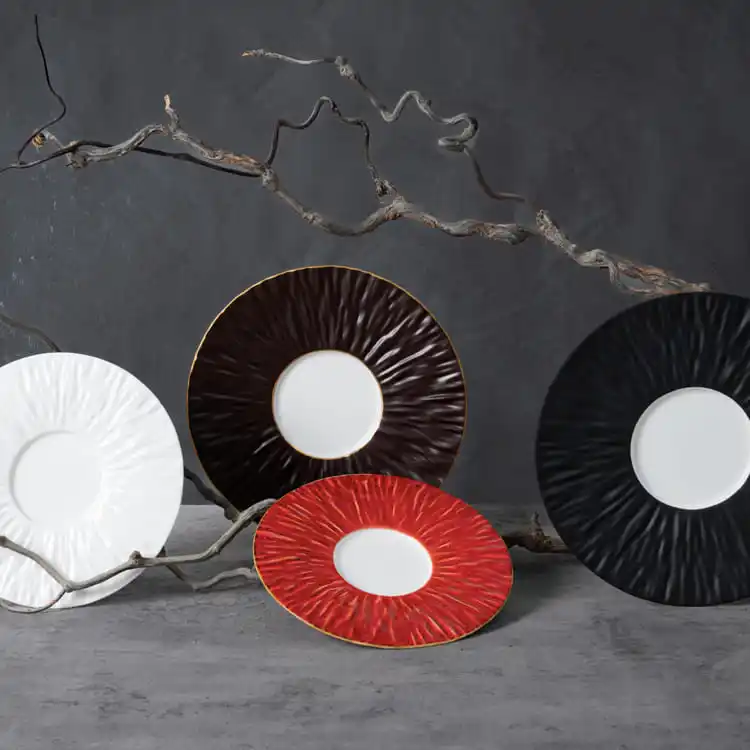
If you are a food and beverage director asking management for budget, “it looks good” is not a complete argument. You need to explain what actually differs between standard porcelain and reactive glaze bone china. This is not a pattern swap. The firing process is different, which is what separates it from ordinary printed porcelain.
How reactive glaze colors are created
Standard porcelain colors come from screen-printed decals or solid-color glazes applied evenly under controlled conditions. Reactive glaze is different: it depends on chemical reactions during firing. Inside bone china’s firing range (about 1050°C to 1180°C), minerals like titanium, zinc, and copper in the glaze melt, separate, and crystallize. That phase separation is what makes the organic, non-repeating textures.
People sometimes mistake reactive glaze “variation” for a defect. It is not. It is a controlled chemical reaction. Artisans steer the final surface by adjusting the firing curve, mainly the cooling rate, which decides whether you get crystal structures, matte cloud effects, or deep metallic buildup. The kiln atmosphere has to be controlled too, so the color variation reads as art rather than chaos.
Benefits of high bone ash content
Glaze chemistry matters, but so does the body. Premium bone china has at least 40% calcined bone ash (calcium phosphate). High bone ash content lowers the firing temperature, and its mineral mix lets us match the thermal expansion coefficient (CTE) between body and glaze. When body and glaze expand and contract at the same rate, you avoid micro-cracking (crazing) and get more structural stability under physical stress.
Reactive color-glazed bone china: matching brand colors with glaze variation
Reactive effects look organic, but international hotel groups usually need the tableware to match their brand colors. This is where PITO’s color glazed bone china tableware R&D comes in. Before the reactive layer goes on, we dose precise metal oxide colorants into the base glaze to anchor the design to a brand color (deep ocean blue, forest green), then let the reactive top layer build its own texture on top. The result is color glazed bone china dinnerware that hits a brand guideline without losing the reactive character.
Using reactive glaze bone china for fine dining plating
For an executive chef, the plate is the last frame around the dish. Its visual weight, texture, and how it catches light shape the guest’s first impression of the food.
Why matte glazed bone china suits modern restaurant styles
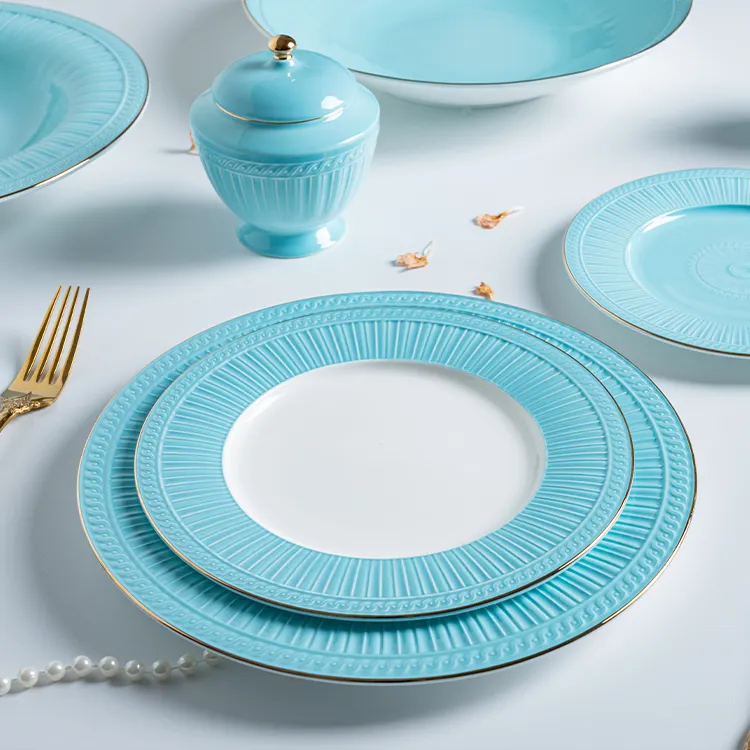
Modern fine dining has moved toward understated, tactile surfaces. Matte glazed bone china dinnerware scatters light through diffuse reflection instead of hard specular glare, so the plate reads as a soft, velvety background rather than a shiny one. That matters for food photography and social sharing: the ingredients’ colors pop without fighting the plate.
Techniques and case studies for plating with reactive glaze bone china
Plating on reactive glaze needs a different approach. The plate already has strong visual movement, so less is usually more. Leave negative space so the glaze texture has room to breathe. Color pairing works well too: warm copper-toned reactive buildup sits nicely with root vegetables or seared proteins, and cool titanium-based blue variation gives seafood and citrus a sharp contrast.
Here is a real example. A Michelin three-star coastal restaurant in the Mediterranean wanted to express the ocean’s movement but ruled out literal shell patterns as too cliché. They commissioned PITO to build a reactive glaze that mimics sea foam and choppy water using titanium and zinc oxides. The restaurant got plates no one else has, and that table setting set the tone for the whole meal.
Matte glaze vs. gloss reactive glaze: which finish is right for your restaurant?
Picking a surface finish is about more than looks. It also affects daily maintenance costs.
Matte fits modern, minimalist, or rustic-luxury rooms. With no surface reflection, the eye goes straight to the food. Gloss reactive glaze pushes the depth and vibrancy of the color variation; the clear glassy top layer works like a lens, so the reactive buildup looks deeper and brighter. That makes gloss a better fit for traditional fine dining and grand ballrooms.
From an engineering view, a well-densified, surface-sealed matte glaze and a gloss reactive glaze are about equally durable. Day-to-day care is where they split. Gloss resists cutlery scratches and lets dishwashers check cleanliness at a glance. Matte has micro-texture, which brings two things:
- Washing residue: if the rinse aid in a commercial dishwasher is not dialed in, the matte surface traps limescale or alkaline detergent residue and goes white. Stewarding teams need acidic rinse agents and regular dishwasher calibration.
- Metal marking: when a softer matte glaze gets scratched by cutlery, it grinds off metal particles and leaves gray marks. PITO’s matte glazes cut this risk by raising the high-temperature sintering density and surface hardness, so the velvety feel holds up over time.
How long does reactive glaze bone china last in commercial kitchens?
Tableware that cannot take a commercial kitchen is useless, however good it looks. Procurement and QC managers have to make sure pretty plates do not turn into high breakage rates.
Thermal shock resistance and dishwasher safety testing
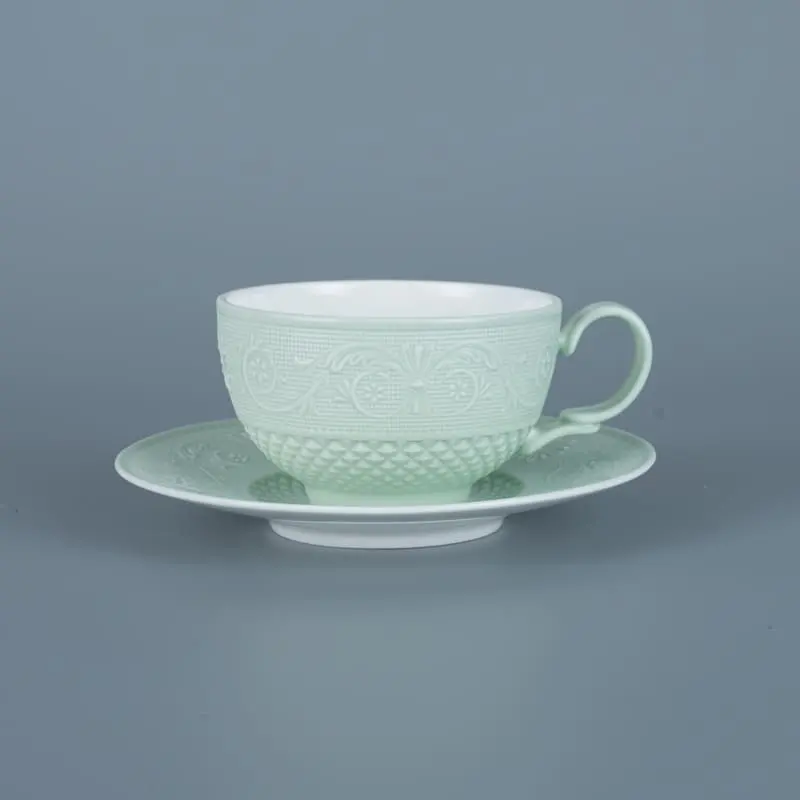
A commercial kitchen moves plates between extremes: hot holding cabinets, prep fridges, and high-temp dishwashers. Good reactive glaze bone china is built for thermal shock, which is what makes it commercial grade dinnerware. Because the glaze and body have matched expansion coefficients, the plates take rapid temperature swings up to 180°C without crazing or warping.
Commercial dishwasher detergent is highly alkaline, which is rough on porcelain. Premium reactive glaze formulations use a dense, highly vitrified surface layer. In lab testing, top reactive glaze bone china takes over 500 industrial wash cycles without fading, crazing, or losing chip resistance, which meets durable dinnerware for hotels standards.
FDA/LFGB food safety certification
For international hotel chains and ESG compliance officers, safety is not up for debate. All PITO color-glazed bone china is lead-free and cadmium-free. Products pass FDA (US), LFGB (Europe), CE, BSCI, and SGS. The reactive minerals that create the visual effects are locked inside the vitrified glaze matrix, so there is no heavy metal leaching even with acidic foods like tomato sauce or citrus concentrate.
When you write an RFP for hotel tableware procurement or commercial dinnerware procurement, do not just ask for “reactive glaze.” Ask for “controlled reactive variation.” PITO supplies limit samples for bulk orders that set the acceptable min and max variation. So even though each plate is unique, the color temperature and pattern density stay consistent across a 5,000-piece run, giving you reliable chip resistant hotel dinnerware and no visual mismatch between tables.
Customizing reactive glaze bone china for hotel restaurants: how OEM/ODM works
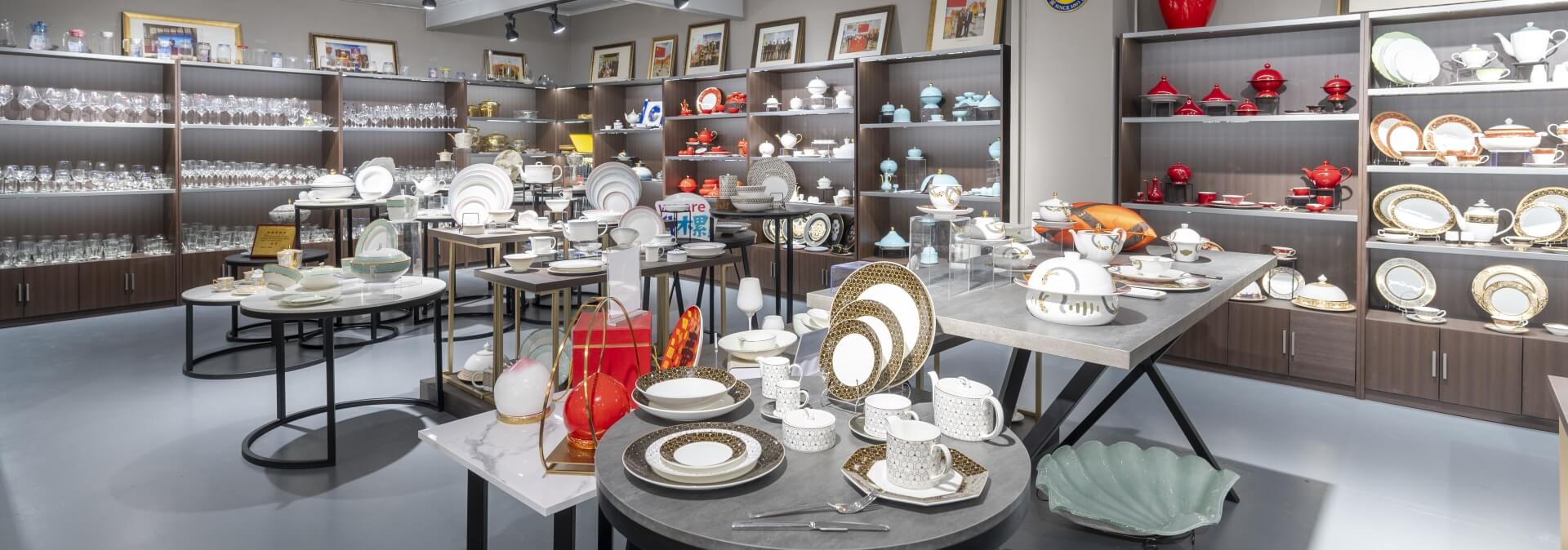
A distinctive table setting needs a partner who can execute precisely and deliver at scale. PITO, established in 2003, brings 23 years of hotel ceramics production experience to that work. As a one-stop ceramic tableware manufacturer, we cover bone china, fine porcelain, commercial glassware, cutlery, and luxury hotel linens under one roof, so brand visuals stay consistent across categories.
A few things set us apart on reactive glaze. Our R&D team develops custom reactive glaze colors in-house, dosing metal oxides to hit a hotel group’s brand palette instead of pulling from off-the-shelf glazes. The bone china body is fired at 1320°C then 1280°C, and that high-temperature sintering gives the surface the density it needs to resist cutlery scratching and daily dishwasher wear. That wear-resistant, high-temperature ceramic technology is why our matte reactive glazes keep their velvety feel after long-term use. On the project side, we supply chain hotels, luxury resorts, and banquet and catering clients, and we were the designated tableware partner for the 2022 Bocuse d’Or China competition and a partner of the 2024 Bocuse d’Or World Culinary Competition. As a restaurant plate supplier and dinnerware manufacturer among fine bone china manufacturers with 300+ design patents, PITO can take a hotel concept from sketch to bulk production and hold it to one standard.
PITO’s 4-step customization process: from shape selection to logo application
Our custom restaurant dinnerware and OEM porcelain dinnerware process runs in four steps:
- Shape customization: pick from our existing premium mold library, or invest in a custom mold for a unique silhouette.
- Glaze color development: formulate an exclusive reactive color glaze base.
- Precise branding: apply custom decals or platinum banding after biscuit firing. The reactive glaze is masked or applied to specific areas so brand logos stay clear inside the organic glaze flow.
- Packaging: we provide bespoke hotel tableware and custom logo dinnerware packaging, with heavy-duty branded corrugated dividers for safe transport, or luxury gift boxes for hotel retail stores.
Overall lead time for a custom reactive glaze order runs about 80-100 days: 15 days for mold design, 20 days for trial sampling and sample sign-off, and 45-65 days for bulk production. MOQ usually starts at 1,000 pieces per shape. Working with PITO means one supplier handles the full category, which cuts communication cost and logistics risk, and makes us a reliable private label dinnerware manufacturer.
FAQ
Q1: If a reactive glaze bone china plate breaks after long use, will a single replacement piece look off because of the “randomness”?
A: This comes up a lot in inventory management. The randomness in reactive glaze is mostly in the micro-texture, so minor batch differences blend in when you swap a single piece. For the macro color temperature, we still hold overall consistency with limit samples. To keep replacements consistent years later, we suggest procurement directors hold an extra 15-20% par stock in the first order, which covers natural wear in high-traffic spots at the lowest overall cost.
Q2: When you customize a logo, how do you keep the reactive glaze from covering or blurring it?
A: Our engineering team uses precise masking or local glazing. The logo area (usually high-temperature underglaze or platinum water) is protected. Before glazing, we send 3D renderings and video simulations with the logo in place, so you can confirm the glaze flow stays out of the logo safety zone.
Q3: In procurement, which third-party test reports should you ask a supplier for?
A: On top of basic FDA/LFGB food contact safety reports, ask for these four:
- Lead and cadmium leaching test reports (for acidic food contact safety);
- Thermal shock test reports (no cracking on a fast 20°C to 200°C swing);
- Dishwasher abrasion resistance testing (gloss or weight loss after 500 cycles);
- Edge impact resistance test data (to verify bone ash content and firing temperature). PITO can supply full SGS and other third-party certification documents at any time.
Conclusion
Bringing reactive glaze bone china into a high-end restaurant or luxury hotel touches both the culinary side and the operations side. Get the materials science right, use a controlled customization process, and pick the surface finish that fits the room, and the dining experience holds up under commercial pressure without losing the look.
Choosing PITO as your horeca tableware supplier is more than receiving product. You get a one-stop OEM/ODM solution across bone china, glassware, cutlery, and linens, held to international standards. Contact our design team to request an exclusive reactive glaze sample kit.


LET'S TALK TOGETHER
Lorem ipsum dolor sit amet, consectetur estor adipi isicing elit, sed do eiusmod tempor este uterre incididui unt ut
