


PITO Article
OEM vs ODM Tableware Which Model Saves You More on Bulk Orders
Key Highlights
- For hotels, the cheapest option is not always the lowest unit price. Long-term replacement, batch consistency, and operational downtime matter just as much.
- OEM tableware gives hotel groups full control over shape, weight, glaze, logo placement, and future reorder specifications.
- ODM tableware reduces upfront cost and lead time by using existing factory shapes with hotel branding or surface customization.
- ODM is often better for new hotel openings, seasonal restaurants, smaller boutique properties, and projects with tight timelines.
- OEM usually saves more over time for large hotel chains, signature restaurants, and properties that need consistent replacement stock for years.
- The biggest hotel procurement risk is not the first order — it is discovering two years later that replacement plates no longer match the original batch.
Introduction
Hotel tableware purchasing is different from buying dinnerware for a retail brand or a single restaurant. A hotel has breakfast service, banquet halls, all-day dining, room service, bars, cafés, and sometimes multiple restaurants under one property. Plates are washed hundreds of times, moved between service areas, stacked in hot kitchens, and replaced regularly after chips and breakage.
That is why the OEM vs ODM decision matters. OEM and ODM are not just manufacturing terms; they affect your opening schedule, your purchasing budget, your brand presentation, and your ability to reorder matching pieces later.
This guide looks at OEM and ODM from a hotel procurement perspective: cost, lead time, operational use, brand consistency, and long-term replacement.
OEM and ODM in Hotel Tableware Procurement
In simple terms:
- OEM (Original Equipment Manufacturer) means the factory produces tableware based on your custom design and specifications.
- ODM (Original Design Manufacturer) means you choose from the factory’s existing shapes and customize details such as glaze, logo, decoration, or packaging.
For hotel buyers, the practical difference is this: OEM gives you more control, while ODM gives you more speed and lower upfront cost.
The right choice depends on how the tableware will be used. A luxury hotel’s signature tasting-menu restaurant may need a custom plate shape that supports plating design. A breakfast buffet may simply need durable, stackable, easy-to-replace porcelain in a clean white finish. Those two areas can require different sourcing models, even inside the same hotel.
What OEM Means for Hotel Tableware
OEM is the custom route. You define the product from the beginning: plate profile, rim width, bowl depth, cup shape, weight, glaze, finish, decoration, and logo placement. The factory then develops technical drawings, creates molds, produces samples, and manufactures the approved design in bulk.
This model is valuable when the tableware is part of the hotel’s brand identity. For example, a five-star hotel group may want the same dinner plate used across properties in Shanghai, Shenzhen, Singapore, and Dubai. A fine-dining restaurant may need a custom coupe plate with a specific well size for sauce control. A banquet department may need plates that match both the brand look and high-volume service requirements.
What Hotels Can Control with OEM
With OEM, hotel procurement teams can specify:
- Plate, bowl, cup, and saucer shapes
- Porcelain body, bone china, fine porcelain, or other ceramic material
- Dimensions, weight, stack height, and rim profile
- Glaze color, gloss level, matte finish, or reactive effect
- Backstamp, logo, decal, hand-painted detail, or custom decoration
- Dishwasher durability and hotel-use performance requirements
- Packing method for export, storage, and internal distribution
For hotel operations, these details are not cosmetic. Plate weight affects service efficiency. Stack height affects storage space. Rim design affects chipping risk. Bowl depth affects buffet presentation. A small design choice can become a daily operational issue when thousands of pieces are used every week.
OEM Cost Structure
OEM costs more at the beginning because the product has to be developed before it can be produced.
| Cost Component | What It Covers |
|---|---|
| Design and Technical Drawings | Dimensions, shape specifications, decoration details, and production standards |
| Mold Cost | One-time tooling for custom plate, bowl, cup, or saucer shapes |
| Sample Cost | Prototype production for review and approval |
| Revision Cycles | Extra sample rounds if shape, weight, glaze, or decoration needs adjustment |
| Per-Unit Production Cost | Manufacturing cost after the design is approved |
| Packaging | Export cartons, protective inserts, hotel labeling, or branded packaging |
The mold cost is usually the largest upfront expense. For one custom shape, it can range from a few hundred to several thousand dollars depending on complexity. However, once the molds are made and the specification is locked, future repeat orders can become more economical and much easier to control.
What ODM Means for Hotel Tableware
ODM uses the factory’s existing product library. You select proven shapes — for example, a coupe dinner plate, a rimmed soup plate, a cereal bowl, a coffee cup, or a banquet plate — and then customize the surface or branding.
This is often the practical choice for hotels that need to open quickly or replace tableware without waiting for a full custom development cycle. Since the molds already exist, the factory can move from selection to sampling to production much faster.
Where ODM Works Well in Hotels
ODM can be a strong fit for:
- New hotel openings with tight pre-opening schedules
- Breakfast restaurants and buffet areas
- Banquet and conference service
- Staff dining or high-volume operational areas
- Boutique hotels with limited initial budgets
- Seasonal restaurant concepts or pop-up dining programs
- Replacement orders where exact custom exclusivity is not required
ODM does not mean generic. Hotels can still choose glaze colors, logos, backstamps, decorative bands, rim details, and packaging. The limitation is that the base shape is shared with the factory’s catalog and may also be available to other buyers.
ODM Cost Structure
ODM is easier to start because the factory has already done the shape development and mold investment.
| Cost Component | What It Covers |
|---|---|
| Per-Unit Price | Base cost of the selected catalog item |
| Customization Fee | Logo, backstamp, glaze change, decoration, or special finish |
| Sample Cost | Sample with selected customization applied |
| Batch Pricing | Volume discounts for larger hotel or group orders |
| Packaging | Standard export packing or upgraded hotel-specific packaging |
| Shipping | Freight from factory to destination |
The unit price is usually predictable, and the lead time is shorter. This makes ODM attractive when procurement teams need tableware on site before a hotel opening date.
Side-by-Side Cost Comparison for Hotel Buyers
| Factor | OEM Hotel Tableware | ODM Hotel Tableware |
|---|---|---|
| Upfront Cost | Higher because of design, molds, and sampling | Lower because existing molds are used |
| Lead Time | Usually 60–90 days; longer for complex designs | Usually 30–60 days |
| Custom Shape | Yes | No, only existing shapes |
| Brand Differentiation | Strong, especially for luxury and signature dining | Moderate, depending on glaze and decoration |
| Long-Term Replacement | Strong if specs and molds are controlled | Depends on factory catalog continuity |
| Best Hotel Use | Luxury dining, hotel chains, custom brand programs | Openings, buffets, banquets, boutique hotels, urgent orders |
| Main Risk | Higher upfront commitment and longer development | Similar shapes may be used by other buyers; catalog items can change |
For the first order, ODM usually looks cheaper. For multi-year hotel programs, OEM can become more cost-effective because the tableware specification is fixed and repeat orders are easier to standardize.
The Hotel Issue Many Buyers Miss: Long-Term Replacement
Hotels do not buy tableware once. They replace it continuously.
Porcelain breaks, chips, disappears between departments, or becomes unsuitable after heavy use. Banquet teams may need extra stock before peak wedding season. A hotel group may open a new property and want the same tableware standard. A restaurant may need matching plates three years after the original order.
This is where long-term replacement becomes critical.
Why Replacement Consistency Matters
If replacement pieces do not match the original batch, the problem shows up immediately in hotel operations:
- Mixed plate tones make the dining room look inconsistent.
- Slightly different rim shapes affect stacking and storage.
- Different bowl depths change portion presentation.
- Banquet setups look uneven when old and new plates sit side by side.
- Room service trays lose brand consistency across guest rooms.
- Purchasing teams spend extra time searching for matching stock.
For a hotel, inconsistent tableware is not just an aesthetic issue. It affects guest perception, service efficiency, and inventory control.
OEM Advantage for Long-Term Replacement
OEM usually offers better long-term replacement control because the hotel can lock in:
- Technical drawings
- Mold specifications
- Glaze formula or approved color reference
- Weight and dimension tolerances
- Logo and decoration placement
- Master sample for future comparison
If the contract clearly states who owns or controls the mold and design specification, the hotel has a much stronger position when reordering replacement stock.
ODM Replacement Risk
ODM can still work for replacement orders, but the buyer should confirm whether the selected catalog shape will remain available. Factories may retire molds, update product lines, change glaze options, or prioritize other collections.
Before placing a large ODM hotel order, ask the supplier:
- Will this shape remain available for future reorders?
- How long does the factory expect to keep the mold in production?
- Can the factory keep a master sample for our hotel project?
- What color and size tolerance should we expect between batches?
- Can we reserve or document the exact item code and specification?
These questions can prevent expensive problems later.
Which Model Saves More? Hotel Procurement Scenarios
There is no single answer. The right model depends on the hotel type, service area, and replacement plan.
Scenario 1 — New Hotel Opening in 3 Months
The opening date is fixed. The purchasing team needs tableware delivered, counted, inspected, and distributed before staff training and soft opening.
ODM is usually the safer choice. The hotel can choose existing shapes, approve branding or glaze details, and receive goods faster. It may not create a fully exclusive look, but it protects the opening schedule.
Scenario 2 — Luxury Hotel Chain Standardizing Across Properties
A hotel group wants consistent tableware across several properties and expects repeat orders for years.
OEM is usually the better investment. The group can define a standard specification, control the design, and reorder matching stock when new hotels open or existing properties need replacement.
Scenario 3 — Signature Restaurant Inside a Hotel
The restaurant uses tableware as part of the dining experience. Plate shape, bowl depth, glaze texture, and color all support the chef’s presentation.
OEM makes sense. A custom shape can become part of the restaurant identity, and the hotel can protect that design through proper IP and mold agreements.
Scenario 4 — Banquet and Buffet Service
Banquet and buffet operations need large quantities, durability, stackability, and easy replacement. The tableware must perform well under heavy daily use.
ODM often works well here, especially if the selected shapes are stable catalog items. For very large hotel groups, OEM may still be worth considering if they want a group-wide banquet standard.
Scenario 5 — Boutique Hotel with Limited Budget
A boutique hotel wants attractive branded tableware but does not have the budget for custom molds.
ODM is the practical starting point. The hotel can create a distinctive look through glaze, logo, and decoration while keeping the upfront investment under control.
Scenario 6 — Hotel Group Planning Long-Term Expansion
The group may only be ordering for one property today, but more locations are planned.
OEM may save more in the long run if the tableware is part of the brand standard. Starting with ODM can be faster, but the group should avoid choosing a catalog item that may be difficult to match later.
Hidden Costs in Hotel Tableware Orders
The quoted unit price is only part of the real cost. Hotel buyers should also consider the costs that appear during operation and reordering.
Revision Cycles
OEM samples often require adjustment. A plate may be too heavy, a bowl may not stack well, or a glaze may look different under restaurant lighting. Each revision can add cost and delay.
To reduce revisions, provide detailed drawings, target weights, Pantone or physical color references, dishwasher requirements, and intended use cases before sampling begins.
Breakage and Spare Ratio
Hotels should not order only the exact number of pieces needed for opening. Breakage is normal in hotel operations. Banquet service, dishwashing, transport carts, and storage all create losses over time.
A practical procurement plan should include spare stock and a reorder schedule. The right spare ratio depends on the outlet type and usage volume, but ignoring replacement needs almost always creates problems later.
Batch Consistency
Porcelain is fired at high temperatures, so small color and size variations can happen between batches. This matters more for hotels than for casual retail because old and new pieces are often used together.
Ask the supplier for a master sample and written tolerance standards for size, color, weight, and decoration placement.
Storage and Stacking
A beautiful plate can still be a poor hotel choice if it does not stack efficiently. Storage space in hotel kitchens and banquet areas is limited. Tableware that stacks poorly takes more room, breaks more easily, and slows down service.
Before approving a design, test stack height, stability, and handling comfort.
Packaging and Internal Distribution
International shipping is only the first step. After arrival, tableware may be moved to different outlets, floors, or properties. Poor packaging increases breakage before the product even reaches service.
Confirm export carton strength, protective inserts, labeling, palletization, and insurance terms before placing the order.
Intellectual Property and Exclusivity
For OEM orders, the contract should clearly state who owns the design, who owns or controls the molds, and whether the factory can sell the same or similar design to another buyer.
For ODM orders, the hotel should understand that the base shape belongs to the factory. The hotel owns its logo and branding, but not necessarily the product shape.
How PITO Supports Hotel OEM and ODM Orders
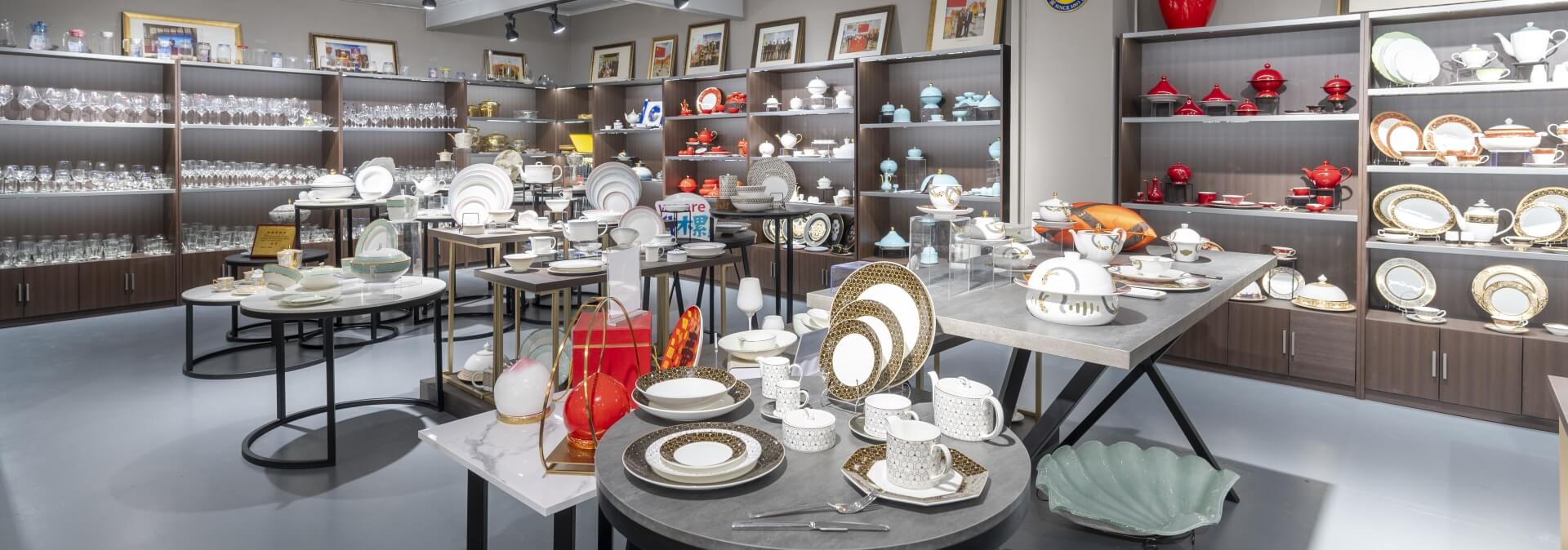
PITO — officially Guangdong P&T Porcelain Co., Ltd — manufactures porcelain and bone china dinnerware in Chaozhou, Guangdong, a region known for porcelain production. The company works with hotels, restaurants, distributors, and hospitality buyers that need either custom development or fast catalog-based solutions.
PITO’s product range includes bone china, fine porcelain, royal white porcelain, and a large selection of existing tableware shapes. This gives hotel procurement teams flexibility: use OEM for signature or long-term brand programs, and use ODM for faster opening schedules or operational outlets.
OEM for Hotel Groups and Signature Restaurants
For OEM projects, PITO can support concept development, technical drawings, mold creation, sample approval, production, decoration, and export packing. This is suitable for hotel chains, luxury properties, and signature restaurants that need a custom tableware identity and long-term replacement control.
OEM is especially useful when a hotel wants to standardize:
- A complete dinnerware set across properties
- A custom banquet plate or service plate
- A signature restaurant collection
- A brand-specific glaze or decoration style
- Reorder specifications for future replacement stock
ODM for Hotel Openings and Operational Areas
For ODM projects, hotels can select from PITO’s existing tableware collections and customize glaze, logo, backstamp, decoration, or packaging. This is often the faster route for new hotel openings, breakfast service, buffet areas, banquet operations, and boutique hotels.
Because the base shapes already exist, the process is shorter and the upfront cost is lower than a full OEM program.
Quality and Export Support
Hotel tableware needs consistent production and reliable export handling. PITO supports quality checks through production stages such as forming, glazing, firing, decoration, and packing. The export team can assist with documentation, packing requirements, and shipment coordination.
For hotel buyers, it is also useful to discuss master samples, batch tolerance, replacement planning, and spare stock before the first order is placed.
How to Decide: A Quick Framework for Hotel Buyers
Ask these questions before choosing OEM or ODM:
- Is this tableware for a signature restaurant, luxury dining room, or brand-standard program? If yes, consider OEM.
- Is the hotel opening soon and tableware must arrive quickly? If yes, ODM is usually safer.
- Will you need matching replacement stock for several years? If yes, OEM gives stronger control, or ODM must be carefully documented.
- Is the tableware for banquet, buffet, breakfast, or high-volume service? ODM may be enough if the shape is durable and easy to reorder.
- Is design exclusivity important? If yes, OEM is the better choice.
- Is the upfront budget limited? If yes, ODM can reduce initial investment.
Many hotels use both models. OEM can be used for the main restaurant or brand-standard collection, while ODM can cover banquet, buffet, breakfast, and other operational areas.
Conclusion
For hotel tableware procurement, OEM and ODM should not be judged only by the first quotation. The better model is the one that fits the hotel’s operating reality.
ODM saves time and upfront cost. It is practical for new openings, boutique hotels, banquets, buffets, and urgent orders. OEM requires more investment at the start, but it gives stronger control over design, brand identity, and long-term replacement consistency.
If your hotel only needs attractive tableware quickly, ODM may save more. If your hotel group needs a consistent look across properties and reliable replacement stock for years, OEM is often the smarter long-term investment.
PITO works with both models. To discuss which approach fits your hotel project, get in touch with the PITO team or browse the product collections.
FAQs
Is OEM or ODM better for hotel tableware?
OEM is better when the hotel needs a custom design, brand exclusivity, or long-term replacement consistency. ODM is better when the hotel needs lower upfront cost, faster delivery, or tableware for high-volume operational areas such as breakfast, buffet, or banquet service.
Which model is cheaper for bulk hotel orders?
ODM is usually cheaper for the first order because there are no mold costs. OEM can become more cost-effective for large repeat orders because the design and molds are already developed, and future production can follow the same specification.
Why is long-term replacement important for hotels?
Hotels replace tableware constantly because of breakage, chipping, loss, and expansion. If replacement pieces do not match the original order, the dining room, banquet setup, or room service presentation can look inconsistent. Long-term replacement planning helps protect the hotel’s brand standard.
Can a hotel start with ODM and switch to OEM later?
Yes. Many hotels start with ODM for speed, especially before opening. After operations stabilize and the hotel understands which pieces are used most, it can develop OEM designs for key outlets or future replacement programs.
What should hotel buyers ask before placing an ODM order?
Ask whether the selected shape will remain available for future reorders, whether the factory can keep a master sample, what batch tolerances apply, and whether the item code and specification can be documented for long-term replacement.
How long does OEM hotel tableware production take?
A standard OEM project often takes 60 to 90 days, including design confirmation, mold development, sampling, revisions, production, and packing. Complex shapes, special glazes, or multiple revision rounds can extend the timeline.
What should hotels prepare before requesting a quote?
Prepare the outlet type, expected usage, quantity, material preference, target dimensions, logo files, decoration requirements, delivery deadline, and replacement plan. For OEM, technical drawings or detailed sketches are helpful. For ODM, review the existing bone china and porcelain collections and identify the shapes you prefer.


LET'S TALK TOGETHER
Lorem ipsum dolor sit amet, consectetur estor adipi isicing elit, sed do eiusmod tempor este uterre incididui unt ut
