




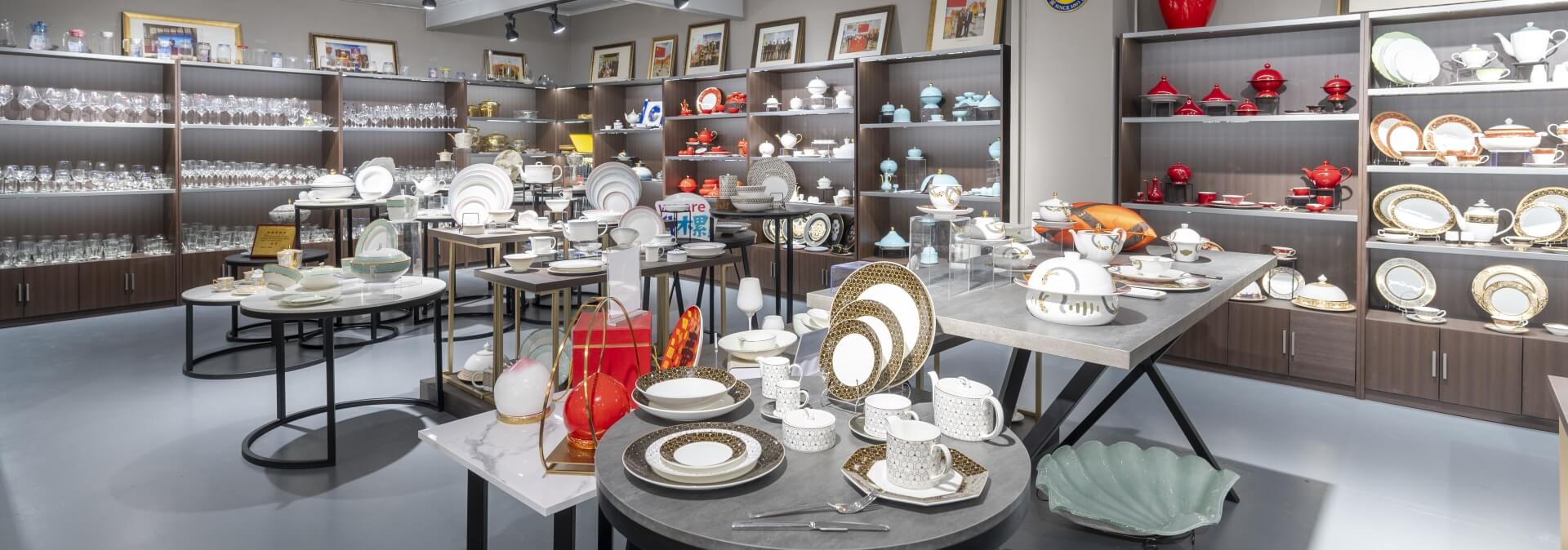
PITO Article
Kinds of Tableware: Essentials for Every Dining Table
For hotels and restaurants, tableware is not just a list of plates, bowls, cups, and serving pieces. It is part of the operating system of the dining outlet. The right tableware helps staff plate faster, serve more consistently, control breakage, manage storage, and keep the guest experience aligned with the brand.
This is why HORECA buyers should not choose tableware only by category or appearance. A dinner plate, soup bowl, tea cup, or charger plate has to work inside a real service environment. It must match the menu, outlet concept, washing process, storage space, replacement plan, and daily service volume.
Understanding the main kinds of tableware is useful, but the more important question is how each piece solves a service problem.
Start with the operating problem, not the product list
Many tableware guides begin by explaining definitions: dinnerware, flatware, glassware, and serveware. That may help general readers, but it does not answer the questions hotel and restaurant teams face during procurement.
A purchasing manager usually needs to know:
- which plate sizes are required for breakfast, lunch, dinner, banquets, and room service;
- how many bowl shapes are necessary without creating storage pressure;
- whether one coordinated collection can support multiple outlets;
- how the pieces perform after repeated washing and stacking;
- whether replacements will be available later;
- whether the tableware supports the brand image of the venue;
- how to avoid overbuying decorative pieces that are rarely used.
The best tableware plan starts with the menu and service flow. A fine-dining restaurant may need charger plates, several course plates, soup bowls, dessert plates, and specialty service pieces. A hotel breakfast outlet may need stackable bowls, side plates, cups, saucers, and buffet-friendly serving pieces. A banquet venue may need coordinated sets that can be deployed quickly across hundreds of covers.
Once the operation is clear, the tableware categories become easier to plan.
Dinner plates: the foundation of plating consistency
Dinner plates are the main working pieces in most dining operations. They carry the main course and define the visual space for the chef. In hotels and restaurants, they also need to survive repeated washing, stacking, carrying, and high-frequency service.
The operational risk with dinner plates is inconsistency. If the plate size is too small, the food looks crowded. If it is too large, portions look weak and food cost pressure may increase. If the shape is too decorative, it may slow down plating or make stacking difficult.
For most HORECA settings, a clean and balanced dinner plate is the safest foundation. White or lightly decorated porcelain works well because it supports many menu types and does not compete with the food. For hotel, restaurant, or formal dining settings, a refined option like the Constella Dinner Plate can give the table a polished base while keeping the focus on the dish.
When selecting dinner plates, operators should consider plating diameter, rim shape, weight, stackability, and whether the design can be reordered in future procurement cycles.
Smaller plates: controlling courses, bread, dessert, and buffet flow
Salad plates, dessert plates, bread plates, and appetizer plates may look secondary, but they are important for service control. They help separate courses, keep the table organized, and prevent guests from using oversized plates for small items.
In hotel breakfast and buffet service, smaller plates are especially useful for pastries, toast, fruit, and side items. In banquets, they help standardize course service. In restaurants, they support appetizers and desserts without making small portions look empty.
The operational value is simple: smaller plates improve portion presentation and reduce unnecessary use of large dinner plates. They also make table clearing easier when each course has a defined piece.
For desserts, appetizers, or refined course service, the Bone China Dessert Plate is suitable for settings where the smaller course still needs to feel elegant and intentional.
Bowls: managing liquids, breakfast, rice, noodles, and sides
Bowls are one of the most operationally sensitive tableware categories because they affect spills, portion volume, storage, and washing efficiency. A bowl that looks attractive in a catalog may not work well in a buffet line, room-service tray, noodle station, or breakfast outlet.
Hotels and restaurants usually need several bowl types, but not too many. The goal is to cover real menu needs without creating unnecessary SKU complexity.
Common bowl functions include:
- soup bowls for soup, stew, broth, and saucy dishes;
- deep bowls for pasta, noodles, oatmeal, cereal, and breakfast bowls;
- rice bowls for Asian-style portions and individual servings;
- fruit or salad bowls for fresh produce, yogurt, desserts, and sides;
- serving bowls for shared dishes or buffet display.
For soup, pasta, cereal, or hotel breakfast service, options such as the White Stackable Soup Bowl support daily use because stackability and depth matter in commercial operations.
For fruit, salad, yogurt, or side dishes, the White Footed Fruit Salad Bowl adds height and presentation value without making the table feel crowded.
When planning bowls, operators should check capacity, rim height, base stability, stackability, storage footprint, and whether one shape can support several menu items.
Cups, saucers, and tea service: protecting the final guest impression
Beverage service is often where guests spend the last part of the meal, so cups and saucers influence the final impression. In hotels, cafés, restaurants, and banquet venues, hot beverage tableware must support coffee, tea, breakfast service, afternoon tea, dessert service, and sometimes room service.
The operational issue is that different drinks need different capacities. Espresso, cappuccino, tea, drip coffee, and hot chocolate do not all work well in the same cup. At the same time, too many cup sizes can increase storage and replacement complexity.
A professional plan usually includes a limited but complete beverage range: cups and saucers for table service, mugs for casual breakfast or in-room use, and teapots for shared tea service. Saucers are not decorative only. They catch drips, hold spoons, and make service cleaner.
For tea and coffee service, pieces like the White Bone China Coffee Cup with Saucer and Bone China Cups with Teapot help create a more complete beverage setting.
Small dishes and accessories: small pieces that reduce service friction
Small dishes, sauce dishes, creamers, sugar pots, condiment holders, gravy boats, and butter dishes are easy to overlook during procurement. But in daily operation, these pieces often prevent service delays.
A sauce dish keeps dressing, soy sauce, butter, or condiments away from the main plate. A creamer and sugar pot make coffee service smoother. A gravy boat supports banquet and Western dining service. These pieces are not always visually dominant, but they help staff serve neatly and reduce guest requests.
For dips, condiments, appetizers, and individual side servings, the Colored Small Sauce Dish is a practical example of how a small piece can support cleaner service.
The key is to buy accessories based on actual menu and service needs. Too few accessories create service gaps. Too many create storage waste.
Serving plates and charger plates: balancing function and presentation
Serving plates, platters, and charger plates solve different problems. Serving plates carry food to the table or buffet. Charger plates create a formal base layer for banquets, weddings, and fine dining. Confusing these two categories can lead to poor procurement decisions.
For restaurants and banquets, serving plates must be practical. They need enough surface area, suitable weight, and a shape that staff can carry safely. For buffets, large platters should make food easy to see, refill, and access.
Charger plates are mainly about presentation. They frame the place setting and help the table look complete before the food arrives. They are common in weddings, banquets, VIP events, and upscale dining rooms. Guests usually do not eat directly from them, so durability, visual impact, and coordination with dinner plates are the main concerns.
For decorative base plates or upscale course presentation, the Modern Artistic Charger Plate can add depth to a formal table setting.
Material choice should match service intensity
Material selection affects durability, appearance, weight, handling, and long-term replacement. For HORECA buyers, porcelain and bone china are common because they combine professional presentation with practical food-service performance.
Bone china is often chosen for premium dining, banquets, executive lounges, and formal table settings. It has a refined white tone, smooth surface, and light feel. It can create an elevated guest impression without making the table feel heavy. For buyers looking for elegant bone china sets, the Bone China Dinner Set White is a suitable example for hotels, banquets, and formal dining.
Fine porcelain is valued for its dense body, smooth glaze, and durability in regular service. It works well for restaurants, hotels, cafés, and multipurpose dining environments where pieces are washed and used frequently. For hospitality buyers who prefer durable yet decorative porcelain, the Fine Porcelain Floral Tableware Set offers a balance between visual character and everyday usability.
Royal white porcelain gives hotels and restaurants a clean, consistent look. It is flexible across breakfast, lunch, dinner, banquets, and room service because it does not compete with the food. For classic hotel presentation, products such as the White Porcelain Hotel Style Dinner Sets show how white porcelain can support a professional table setting.
Color glazed porcelain can help restaurants or boutique hotels create a stronger visual identity. It is useful as an accent for desserts, salads, seafood, or signature dishes. For more expressive table presentations, the Green Porcelain Glaze Dinnerware Set is a strong example of color glazed porcelain tableware.
Plan tableware by outlet and service scenario
A hotel may need several tableware solutions at the same time. The breakfast restaurant, all-day dining outlet, fine-dining restaurant, banquet hall, room-service department, executive lounge, and café may all have different requirements.
For everyday family-style or casual dining, the priority is easy cleaning, comfortable handling, and simple replacement. For hotel and restaurant dining, the focus shifts to durability, brand fit, plating consistency, and coordinated sets. For banquets and weddings, the key is large-volume consistency, quick setup, easy clearing, and visual coordination across many tables.
For buffet and catering service, stackability, transport safety, and display clarity become more important. Large platters and serving bowls need to make food look abundant while allowing guests to move through the line without confusion.
For commercial dining environments, a coordinated option like the Restaurant Plates and Bowls Set can help hotels and restaurants maintain consistency across different courses and outlets.
Build a tableware procurement plan that reduces long-term risk
A complete tableware collection does not need to include every possible piece. It should include the pieces that support the actual service model. Overly complex purchasing can create storage issues, inconsistent replacement, and unused inventory.
A practical HORECA tableware plan should define:
- core dinner plates for main courses;
- smaller plates for bread, appetizers, desserts, and buffet items;
- soup, deep, rice, fruit, and salad bowls based on the menu;
- cups, saucers, mugs, and teapots based on beverage service;
- serving platters and bowls for shared dishes and buffet display;
- charger plates only where formal presentation requires them;
- small accessories for sauces, condiments, coffee, tea, and banquet service;
- reorder and replacement rules for high-breakage items.
The goal is not to buy more tableware. The goal is to buy the right pieces in the right quantities, with a design system that can support daily operations and future replenishment.
How PITO supports professional tableware planning
For HORECA buyers, a tableware supplier should provide more than individual products. Hotels and restaurants need support with material selection, coordinated collections, customization, project quantities, quality control, and long-term supply.
PITO focuses on porcelain and bone china tableware for hotels, restaurants, banquets, catering, and other HORECA projects. Its product range covers dinner plates, smaller plates, bowls, cups, saucers, serving pieces, accessories, bone china, fine porcelain, royal white porcelain, and color glazed porcelain.
This makes it easier for procurement teams to build a coordinated tableware system instead of sourcing unrelated pieces from multiple suppliers. For branded hotels, restaurants, and project buyers, OEM and ODM customization can also support outlet identity through shape, logo, decal, and collection planning.
The value is not only in the product catalog. It is in helping operators match the right tableware to real dining scenarios: breakfast, buffet, banquet, fine dining, room service, coffee service, and long-term replacement.
Conclusion
The main kinds of tableware include dinner plates, smaller plates, bowls, cups, saucers, serving plates, charger plates, and accessories. But for hotels and restaurants, these categories only matter when they are connected to actual service problems.
Good tableware planning helps control portions, improve plating, speed up service, simplify storage, reduce replacement risk, and strengthen the guest experience. Bone china supports premium dining. Fine porcelain supports frequent use with a refined finish. Royal white porcelain gives hotels a clean and flexible base. Color glazed porcelain adds personality where the concept calls for it.
For hospitality buyers, restaurants, and distributors, the right approach is to build a coordinated tableware system around the menu, outlet, service flow, and long-term procurement plan. With professional porcelain and bone china solutions from PITO, tableware becomes more than a dining accessory. It becomes part of a smoother and more consistent HORECA operation.


LET'S TALK TOGETHER
Lorem ipsum dolor sit amet, consectetur estor adipi isicing elit, sed do eiusmod tempor este uterre incididui unt ut
