




PITO Article
International Tableware Supplier or Local? What Truly Matters
Selecting the right tableware partner is a strategic decision for any hotel, resort, or hospitality group. Beyond geographic location, critical factors include batch-to-batch consistency, commercial-grade production capacity, and full compliance with international food-contact standards.
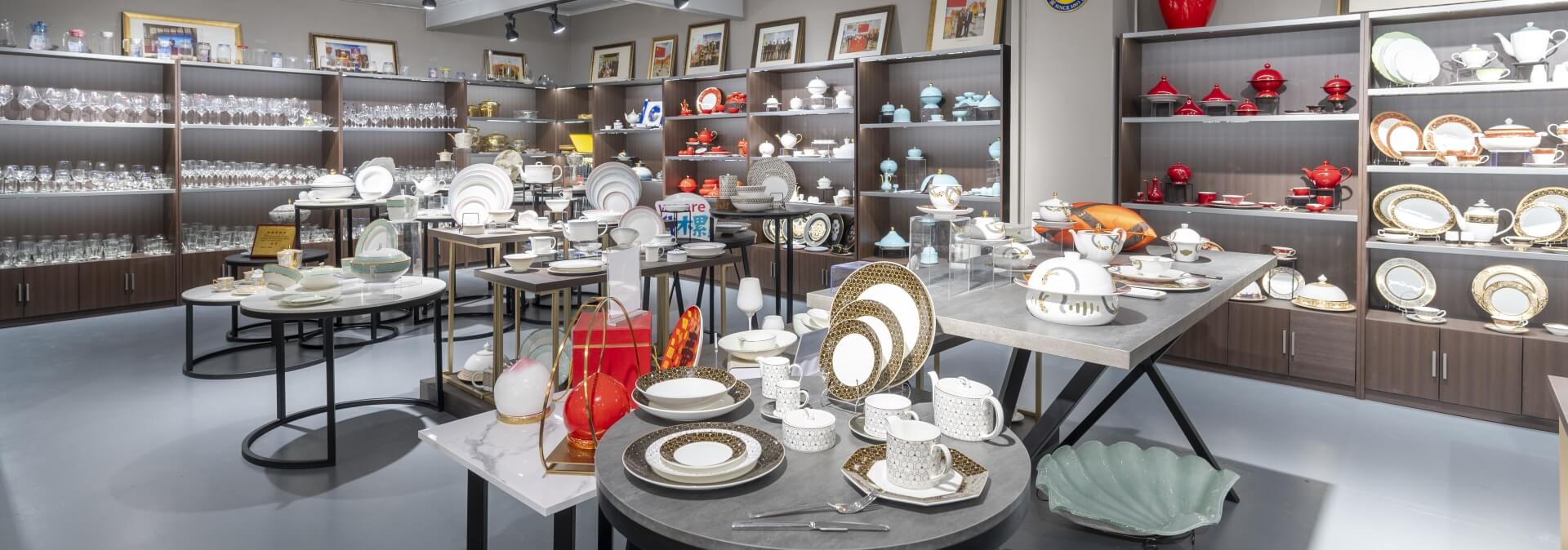
PITO operates its own manufacturing facilities with full OEM/ODM capabilities, digital glaze control, and multi-kiln standardized firing at 1320°C. Every batch carries a traceable production code, and export breakage rates are controlled below 1.5%, significantly outperforming industry averages. These strengths allow PITO to supply global hotel groups with consistent quality and uninterrupted replenishment for over 10 years.
What Makes a Reliable International Tableware Supplier
Product Quality and Consistency
Commercial-grade tableware requires uniform appearance, strength, and finish across all production batches. Top-tier international suppliers maintain this standard through strict raw material selection, precise formulations, and standardized high-temperature firing processes.
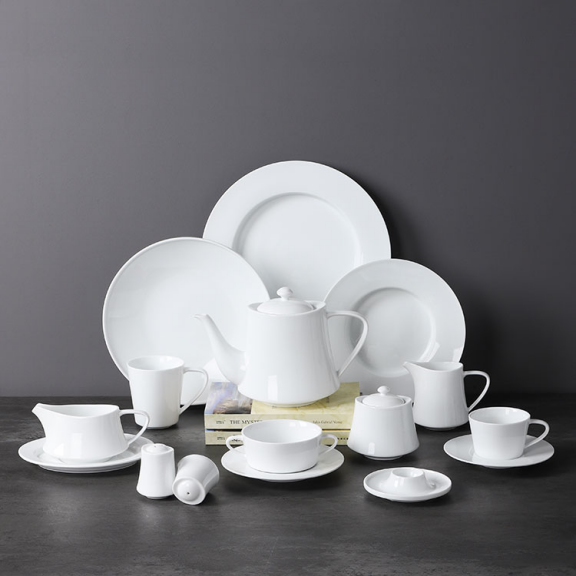
PITO ensures batch-to-batch consistency through automated glaze-control systems, digital thickness monitoring, and unified kiln firing standards across all production lines. This eliminates the common hotel pain point of inconsistent color tone during replenishment and enables PITO to support long-term, large-scale rollouts for resorts, airline catering, and luxury restaurants.
Certifications and Food Safety Standards
International certifications determine whether tableware can be safely used in hotels, restaurants, airlines, and institutional catering. A qualified manufacturer must pass strict global standards such as ISO, FDA, CE, LFGB, and EU food-contact regulations.
PITO complies with all key global requirements, including LFGB heavy-metal migration, FDA 21 CFR, and EU Regulation 1935/2004. This ensures each item is safe for repeated daily use in professional hospitality settings.
Here is a table showing the most common certifications among leading suppliers:
| Certification Name | Description |
|---|---|
| ISO 9001:2015 | International standard for quality management systems, ensuring consistent quality control. |
| ISO 14001:2015 | Establishes requirements for an effective environmental management system, demonstrating compliance. |
| ISO 45001:2018 | International standard for occupational health and safety management, reducing workplace hazards. |
| MOCA Certification | Ensures compliance with hygiene requirements for food contact materials, essential for tableware. |
You also need to consider food safety regulations in your target markets. For example, the United States requires FDA compliance and California Prop 65 warnings for lead and cadmium. The European Union enforces Regulation (EC) 1935/2004 and German LFGB certification. PITO’s products meet or exceed these standards, so you can serve your guests with confidence. Instead of merely meeting certification requirements, PITO maintains documented QC records for every production batch, a level of traceability rarely offered by local suppliers
| Region | Regulation | Key Requirements |
|---|---|---|
| USA | FDA Compliance (CFR Title 21) | Materials must be GRAS for food contact; no harmful leaching allowed. |
| USA | California Prop 65 | Requires warnings for products with significant levels of lead and cadmium. |
| EU | Regulation (EC) 1935/2004 | Materials must not transfer harmful substances to food. |
| EU | German LFGB Certification | High standards for heavy metal migration; recognized across Europe. |
Customer Service and Communication
For hotel groups and distributors, responsive communication is essential. A reliable supplier provides clear lead-time planning, sample confirmation, technical documentation, and fast after-sales support.
Each international client receives a dedicated account manager supported by a replenishment-matching team. PITO maintains long-term mold retention, enabling hotels to reorder matching items even years later—preventing the operational disruptions commonly caused by local supplier discontinuation.
CAT: Choose a supplier who values your feedback and provides ongoing support. This partnership leads to better outcomes and long-term success.
Delivery Reliability and Lead Times
Timely delivery is critical for hotels, resorts, and large-scale catering operations, particularly during peak seasons, openings, or special events. Leading international suppliers combine stable production capacity with optimized global logistics to ensure predictable, safe, and punctual delivery.
PITO leverages a factory-driven supply model with real-time production scheduling and export-grade packaging. Comprehensive monitoring from firing to shipping ensures consistent lead times, minimizes breakage, and provides hotels and resorts with reliable, year-round replenishment.
Here is a table showing how top suppliers maintain delivery reliability:
| Strategy | Description |
|---|---|
| Effective Inventory Management | Centralized production planning to ensure batch stability. |
| Efficient Logistics | Export-level packaging systems reducing breakage rates. |
| Regulatory Compliance | Compliance with destination customs and food-contact regulations. |
| Risk Management | Risk-mitigation planning, including backup kilns and flexible capacity allocation. |
Pricing Transparency and Value
In hospitality procurement, true value extends beyond unit cost. Durability, batch consistency, and long-term replenishment reliability are key. Premium suppliers provide transparent pricing reflecting raw material quality, firing precision, glaze performance, and comprehensive after-sales support.
PITO’s pricing reflects its high-white porcelain formulations, 1320°C firing process, and stringent glaze control. This guarantees long-lasting tableware that retains appearance and structural integrity over years of commercial use, lowering replacement costs while enhancing guest satisfaction.
Value extends beyond pricing. PITO provides high-transparency bone china, customizable shapes, embossing, and eco-friendly options suitable for luxury hospitality settings. Commitment to design innovation and sustainability enhances the dining experience while aligning with operational and brand objectives.
- Customizable hotel-grade shapes, embossing, and edge designs.
- High-performance glazes with enhanced scratch resistance.
- Long-term replenishment guarantees for hotel chains.
- OEM & ODM services for branded dinnerware collections.
After-Sales Support and Customization
For hotels, cruise lines, and large distributors, after-sales consistency is equally critical as the initial order. Leading suppliers provide structured support, covering replenishment management, design continuity, and brand alignment.
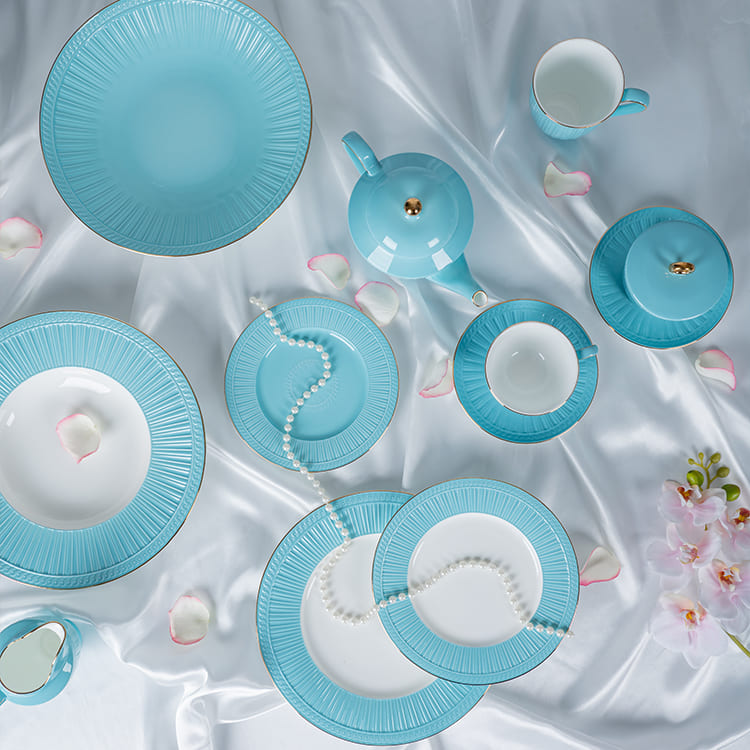
PITO delivers professional services including curated sample kits, replenishment product-matching, brand training for hotel teams, and marketing assets. Full OEM/ODM capabilities enable custom shapes, embossing, logos, and exclusive collections tailored for high-end hospitality environments.
Here is a table summarizing typical after-sales support service:
| Type of Support | Description |
|---|---|
| Display Samples | Custom sample kits for hotel presentations. |
| Brand Training | Brand & product training for distributors and hotel purchasing teams. |
| Marketing Materials | High-resolution image assets and marketing support. |
| Long-term replenishment programs | Ensure smooth sales processes from product entry to promotional activities. |
| Dedicated account managers | For pre-sale and after-sale coordination. |
| Regular new designs | Aligned with global hospitality trends. |
PITO specializes in high-end, customizable tableware solutions including porcelain, stainless steel cutlery, and eco-friendly glassware. Comprehensive design-to-delivery services ensure hospitality brands maintain distinct, premium table presentations.
Note: Customization and after-sales support help you adapt to market trends and maintain a competitive edge.
International vs. Local Tableware Suppliers
Selecting the right tableware supplier is a strategic decision for hospitality operators. Both international and local suppliers offer distinct advantages and challenges. Understanding these differences helps hotels, resorts, and catering businesses make informed procurement decisions.
Advantages of International Suppliers
International suppliers provide access to a wide range of premium, commercial-grade tableware and advanced manufacturing capabilities. Key benefits include:
- Consistent quality and durability – Strict batch-to-batch standards ensure uniform appearance, strength, and glaze.
- Advanced customization options – Custom shapes, embossing, logos, and exclusive collections tailored for luxury settings.
- Global certifications – ISO, FDA, LFGB, CE, and EU food-contact compliance guarantee safety and reliability across markets.
- Predictable long-term supply – Factory-driven production, export-grade packaging, and structured replenishment programs support multi-site operations.
While local suppliers offer fast response for small restaurants, they often face challenges in batch consistency, mold retention, and international compliance. PITO, as a global hotel supplier, provides standardized firing processes, traceable batches, and long-term replenishment programs—key advantages for hotel chains that cannot risk inconsistent appearance or supply interruptions.
Advantages of Local Suppliers
Local suppliers can strengthen community connections and provide faster delivery and personalized service. Their main advantages are:
- Reduced transit time – Orders can reach sites quickly, useful for urgent replenishments.
- Community support – Sourcing locally contributes to the regional economy and sustainability initiatives.
- Personalized service – Direct communication enables rapid customization and immediate technical support.
Potential limitations of local suppliers include:
- Limited product range and specialized designs.
- Fewer international certifications, which may affect compliance for multi-country operations.
- Scalability challenges for large hotel chains or extensive catering projects.
Decision Guidance:
- For luxury hotels, resorts, and multi-site hospitality groups, international suppliers offer consistent quality, advanced design, and compliance across markets.
- For smaller operations or last-minute orders, local suppliers can provide flexibility, faster delivery, and a local sourcing story.
Tip: Align your supplier choice with operational scale, brand positioning, and compliance requirements. Premium international suppliers like PITO combine
global certifications, predictable supply, and high-end customization—ideal for large hospitality projects.
The table below provides a clear and direct comparison between the two options:
| Category | Local Suppliers | International Supplier |
|---|---|---|
| Batch Consistency | Potentially unstable | Unified standards + batch traceability codes |
| Production Scale | Suitable for small to mid-sized restaurants | Capable of serving five-star hotels and global chains |
| Food Safety Compliance | Often lacks international certifications | Full compliance with ISO / LFGB / FDA standards |
| Replenishment Stability | Prone to supply disruption or discontinuation | Long-term mold retention + stable replenishment |
| Design Capability | Limited options | OEM/ODM design team with exclusive hotel collections |
| Breakage Rate | Inconsistent packaging | Inconsistent packaging |
| Sustainability Options | Varies by supplier | Lead-free glaze and eco-friendly packaging available |
Supplier Selection Criteria for Hospitality Buyers
Selection depends on operational requirements:
- Hotels & large hospitality groups: durability, safety certifications, replenishment consistency, global shipping capability
- Distributors: stable supply, competitive pricing, OEM/ODM support
- Small restaurants: flexibility, local sourcing.
PITO supports hospitality clients with long-term mold retention, consistent firing standards, and professional export documentation—ensuring smooth procurement across markets.
You should also evaluate the following criteria:
| Criteria | Description |
|---|---|
| Quality | batch consistency and material grade. |
| Cost | total cost of ownership including replacement. |
| Communication | Consider the ease of communication with suppliers, which can affect order management. |
| Delivery Times | Analyze production and shipping times to ensure timely delivery of products. |
| Environmental Impact | Factor in the sustainability practices of suppliers and their impact on the environment. |
You must analyze the complexity of your product and the stability of your market. If you operate a luxury hotel or a large-scale catering business, you may require the extensive product range, global certifications, and export expertise that an international tableware supplier like PITO provides. PITO’s ability to meet diverse market requirements and offer comprehensive support makes it a preferred choice for businesses seeking reliability and innovation.
If your priority is supporting local communities, achieving faster delivery, or minimizing your ecological footprint, a local supplier may better suit your needs. You should weigh the trade-offs between product variety, compliance, and service support.
Tip: Match your supplier choice to your business goals. Consider quality, cost, delivery speed, and environmental impact before making a decision.
Evaluating and Selecting the Right Supplier
Questions to Ask Suppliers
You need to ask the right questions when evaluating a tableware supplier. These questions help you uncover their strengths and reliability. Start by focusing on quality, certifications, and compliance. The table below highlights essential questions and their importance:
| Question | Importance |
|---|---|
| How do you ensure consistent product quality? | Minimizes risk of defects and protects your brand reputation. |
| What KPIs do you use to measure product quality? | Shows commitment to quality management. |
| What certifications do you hold? | Signals adherence to international standards like ISO 9001. |
In addition, when evaluating suppliers, hotels should verify whether the manufacturer can provide samples from previous batches and documented QC sheets—lack of these is the leading cause of inconsistent replenishment. One five-star resort reported an 18% increase in guest complaints after receiving mismatched tableware colors from a local supplier. After switching to PITO, replenishment remained fully color-matched for three consecutive years.
Red Flags to Watch For
Spotting warning signs early protects your business. You must watch for these common red flags:
- Lack of documented firing and QC processes
- No evidence of international food-contact certification
- Inability to provide samples from previous production batches
- High breakage rate or inconsistent packaging
- Slow response times or unstable communication channels
Negative reviews about after-sales support can signal deeper operational issues. If a supplier avoids sharing references or product samples, you should proceed with caution.
Steps to Vet and Test Reliability
You need a structured approach to vet suppliers. Follow these steps to ensure reliability:
- Request full firing and QC documentation.
- Review samples from multiple production batches.
- Conduct dishwasher testing (≥500 cycles).
- Evaluate packaging durability for international transport.
- Confirm mold retention and replenishment policy.
- Start with a pilot order to assess stability.
PITO supports hotel buyers with batch records, technical sheets, and replenishment matching to ensure long-term operational reliability..
When selecting a tableware supplier, hospitality operators should prioritize long-term consistency, global safety compliance, and commercial-grade production stability. PITO’s high-white porcelain and bone china collections provide premium craftsmanship, predictable supply, and hotel-grade durability, making it a trusted partner for luxury hotels, resorts, and large-scale catering operations.
FAQ
What certifications should a hotel tableware supplier have?
You should check for ISO, FDA, CE, and LFGB certifications. These prove that the supplier meets international safety and quality standards. Certified suppliers like PITO help you avoid compliance risks and ensure safe, reliable products for your business.
Can you customize tableware designs for your brand?
Yes, you can request custom shapes, logos, and packaging. PITO offers full OEM and ODM services. You receive tailored solutions that match your brand identity and meet your specific requirements for hospitality or dining venues.
How is safe and timely delivery ensured?
PITO uses advanced logistics systems and trusted shipping partners. You get real-time tracking and secure packaging. This approach reduces breakage risk and ensures your tableware arrives on schedule, even for large or international orders.
Why is quality crucial for hospitality operations?
High-quality tableware enhances your guests’ experience and protects your brand reputation. Durable, well-crafted products reduce replacement costs and support consistent service. PITO’s strict quality control ensures you receive reliable, long-lasting tableware every time.
What after-sales support is provided from PITO?
You receive dedicated account management, prompt responses to inquiries, and regular updates on new products. PITO also provides marketing materials and training. This ongoing support helps you grow your business and address any challenges quickly.
PITO supports hotels, distributors, and luxury hospitality groups with tailored OEM/ODM design, replenishment matching, and long-term supply programs.


LET'S TALK TOGETHER
Lorem ipsum dolor sit amet, consectetur estor adipi isicing elit, sed do eiusmod tempor este uterre incididui unt ut
