


PITO Article
How to Choose Safe Tableware, How to Check if It Has Lead or Cadmium
When selecting tableware for professional hospitality use, safety and material quality should be the highest priority. Materials like porcelain, bone china, glass, and stainless steel remain the top choices for safe food service. Certified lead- and cadmium-free porcelain and bone china—such as PITO’s dinnerware—ensure safe use in commercial dining environments. Lead or cadmium exposure can cause serious health effects, particularly in children, including developmental and behavioral issues. Adults may face risks like infertility or abdominal pain. Choosing certified tableware ensures long-term safety and maintains a high standard of presentation for guests.
Safest Dinnerware Materials
Choosing the right dinnerware is crucial for maintaining safety and compliance in hospitality operations. Hospitality buyers require materials that offer both aesthetic appeal and guaranteed food-contact safety. The following sections outline the safest material options and explain why PITO’s certified products are preferred in the hospitality industry.
Porcelain
Porcelain remains one of the safest and most reliable materials for professional dinnerware. High-fired porcelain—typically fired between 1,280°C and 1,350°C—develops a fully vitrified, non-porous surface that prevents bacterial absorption and delivers long-term hygiene performance in commercial service. Reputable manufacturers such as PITO use lead-free and cadmium-free glazes, combined with rigorous production control, to ensure compliance with global food-contact regulations. Each item passes commercial dishwasher endurance tests (≥500 cycles), thermal-shock resistance tests (180°C to 20°C), and edge-chip resistance evaluations—ensuring performance in busy hotel and restaurant environments.
- The FDA, European Union, and ISO have established strict standards for porcelain, limiting lead and cadmium leaching.
- Manufacturers like PITO provide transparency about their production processes and certifications, including FDA, CE, and LFGB.
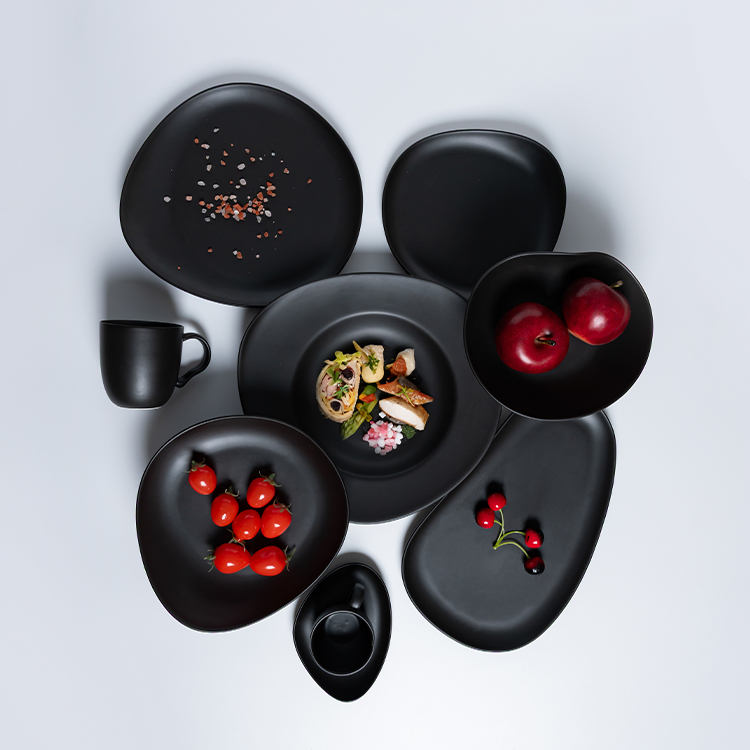
- PITO’s Best Porcelain Dinnerware and Black Plates Sets Dinnerware Ceramic Dinner offer durability, chip resistance, and timeless elegance. These products are certified lead- and cadmium-free, making them ideal for both luxury and everyday use.
Tip: For hospitality procurement, select porcelain from brands that offer documented safety testing, commercial-durability results, and international compliance certifications.
Bone China
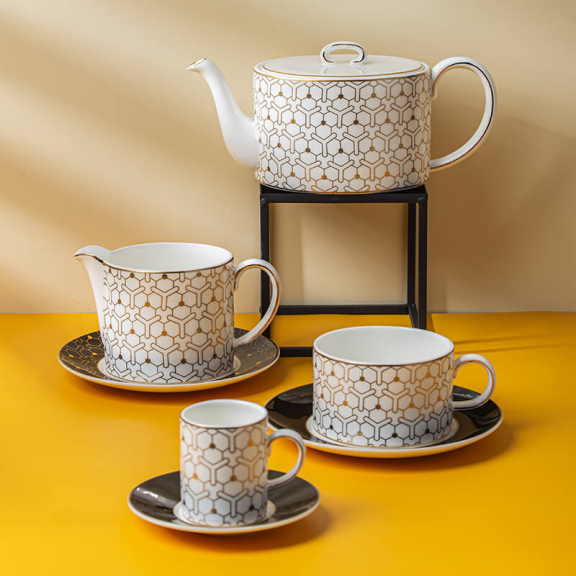
Bone china provides an exceptional balance of strength, lightness, and refined aesthetics, making it ideal for premium hospitality use. Its high whiteness and natural translucency enhance the visual presentation of fine dining environments. PITO’s Wholesale Bone China Coffee Cups for Hotels demonstrate these premium characteristics with certified safety and durability.
| Feature | Bone China | Standard Porcelain / Stoneware |
|---|---|---|
| Ingredients | Contains approximately 40% bone ash, clay, feldspar, and quartz | Made from kaolin clay, feldspar, and quartz (no bone ash) |
| Appearance | Lighter, brighter, high whiteness, and translucency | Typically opaque with a thicker and heavier structure |
| Durability | Stronger and less prone to chipping despite being thin | Durable but more brittle; stoneware shows a higher likelihood of chipping |
| Weight | Noticeably lighter with a refined and delicate feel | Heavier and substantial |
| Porosity | Extremely low porosity, ensuring minimal liquid absorption | Porosity levels vary; stoneware is more porous if unglazed |
High-end bone china from PITO is manufactured using advanced in-glaze and under-glaze techniques to guarantee lead- and cadmium-free safety performance.
Each item undergoes commercial-grade performance testing, including edge-chip resistance, dishwasher cycle endurance, and thermal-shock testing, ensuring reliability in demanding hospitality environments
The brand’s quality control system meets international standards such as FDA, CE, LFGB, and ISO, providing hotels, restaurants, and catering operators with certified, safe, and long-lasting bone china solutions.
Glass Dinnerware
Glass dinnerware is widely valued in hospitality for its non-reactive properties and optical clarity. It is considered safe for commercial service when it complies with recognized food-contact safety certifications. Sodium-calcium-silicate or borosilicate glassware rarely releases harmful metals, while crystal glass or items with decorative glazes may pose risks if not properly formulated.
| Study Title | Findings |
|---|---|
| Lead, Cadmium and Cobalt Leaching | Metal content varies depending on raw material sources, underscoring the importance of stringent quality control. |
| Toxicity of Ancient Ceramics Study | Borosilicate glassware demonstrates low metal-release potential, while crystal glass and certain decorative coatings may release toxic metals under specific conditions. |
Glass dinnerware used in hospitality settings should be tested for potential contaminants—particularly lead—to confirm compliance with non-toxic safety standards. Always select products that provide transparent documentation of compliance with international food safety standards.
Stainless Steel
Stainless steel is also a highly reliable material for safe and durable tableware in commercial food-service operations. It offers strong durability, high corrosion resistance, and easy maintenance—qualities essential for high-volume hospitality environments.
| Grade | Composition | Key Properties | Suitability for Food Applications |
|---|---|---|---|
| 304 (18/8 or 18/10) | 18% Chromium, 8-10% Nickel | Excellent corrosion resistance and durability; non-magnetic. | Commonly used in high-quality restaurant, hotel, and catering flatware. |
| 316 | High chromium, nickel, and molybdenum | Superior resistance to acids, alkalis, and chlorides; withstands high temps. | Ideal for marine settings and for processing high-acid or high-salt foods in industrial or hospitality applications. |
| 430 | Chromium present, minimal nickel | Magnetic; good resistance to stress corrosion but less rust-resistant than 304. | Affordable alternative for moderately resistant applications; often used for mixing bowls. |
While stainless steel can release trace amounts of nickel and chromium, high-quality grades (like 304 and 316) keep this within safe limits. You should choose reputable brands that specify the grade and safety of their products.
Materials to Avoid
In professional hospitality, any tableware lacking ISO 6486 lead/cadmium compliance or clear manufacturer documentation should be excluded from procurement.. These include:
- Vintage or imported ceramic dinnerware, especially those with bright colors or hand-painted designs.
- Traditional Crystal glass, which often contains lead to increase sparkle.
- Low-quality ceramics that do not specify documented compliance with safety standards.
Older or imported ceramic dinnerware often utilizes lead-based glazes or pigments, posing significant safety concerns in food service. Research indicates that acidic foods and beverages significantly accelerate heavy-metal leaching from improperly glazed ceramics. Commercial operations should avoid unverified ceramics, over-glaze decorations, or items without firing certification, as they cannot guarantee long-term food-contact safety.
Note: PITO’s porcelain and bone china products undergo rigorous laboratory testing and hold certifications from FDA, CE, LFGB, and other international bodies. These certified products provide safe, reliable, and elegant solutions for professional hospitality environments.
Check for Lead or Cadmium
Premium hotel tableware must be safe, durable, and compliant with international standards. High-fired porcelain and bone china offer long-lasting performance under daily commercial use. Certified non-toxic materials protect guests and maintain luxury dining standards.
High-Risk Dishes
Certain types of tableware are more likely to contain lead or cadmium. The following characteristics should be reviewed carefully when evaluating potential contamination risks:
- Antique ceramics, especially those produced before modern safety regulations (pre-1970s).
- Damaged or worn ceramics, as cracks or chips can increase the risk of leaching.
- Handmade ceramics with irregular shapes or inconsistent glaze finishes.
- Items purchased from flea markets or vendors who do not provide clear manufacturing information.
- Brightly colored ceramics, particularly those with red, yellow, or orange decorations (colors often derived from cadmium).
- Imported ceramics from countries with less stringent safety standards.
- Dishes with warning labels stating “For Decoration Only.”
Tip: If you own vintage, imported, or brightly colored dinnerware, consider it high-risk and avoid using it for serving food, especially acidic dishes.
At-Home Test Kits
At-home test kits can be used as an initial screening method to detect the presence of lead or cadmium in ceramic tableware. These kits are widely available and provide a rapid, preliminary assessment of potential contamination, particularly for older or unverified items.
| Test Type | Limitations | Leaching Threshold (Approx) |
|---|---|---|
| Lead | Tests surface levels, not necessarily leaching. Low false negative rate. | >3.0 micrograms Pb/ml |
| Cadmium | Has a higher false-negative rate (~29%), making results less reliable for accurate cadmium detection. | >0.5 microgram Cd/ml |
Home lead test kits, such as LeadCheck™, are commonly used for preliminary screening. These kits typically cost between USD $15 and $25 per pack. The testing procedure involves activating the swab, applying it to the surface of the tableware, and monitoring for any color reaction. A pink or red reaction generally indicates the presence of detectable lead contamination.
- Surface vs. Leaching: Home kits detect lead only on the ceramic surface. A positive result means lead is present, but a lab test is needed to confirm if it is leaching into food.
- High-fired ceramics may not produce accurate results with home tests because of glaze stability, even when trace metals exist beneath the surface.
Note: Home test kits are excellent for screening, but negative results do not guarantee that your dinnerware is 100% free of lead or cadmium, particularly in deeper layers.
Home testing kits are not suitable for hospitality procurement because they cannot simulate commercial leach testing. Hotels and restaurants must rely on ISO 6486 laboratory reports, 4% acetic acid leach tests, FDA/Prop 65 compliance documents, or manufacturer certifications provided by brands like PITO.
Professional Testing
For accurate and legally recognized results, professional laboratory testing is recommended. Laboratories use advanced methods to provide quantitative results, which are more reliable than at-home kits.
Professional lab services can test your dinnerware for both lead and cadmium leaching (simulating food contact). These services provide detailed analytical reports and are regarded as the industry gold standard for safety verification. Testing costs generally range from USD $200 to $300 per sample, depending on the laboratory and testing method. Results are typically available within several weeks
Recommendation: If you need to certify dinnerware for a business or have concerns about heirlooms used by children, professional testing is the only way to be 100% sure.
What to Do if Dinnerware Tests Positive
Immediate Actions
If tableware is found to contain lead or cadmium, immediate action is required to ensure guest safety and regulatory compliance in hospitality settings.
- Stop Use Immediately: Affected items must be withdrawn from all food-service use, including serving, plating, and storage.
- Re-purpose Safely: Items may be retained strictly as non-food decorative pieces and should not be accessible in operational dining areas.
- Medical Check: If long-term exposure is suspected, appropriate medical screening may be advisable for affected personnel.
If hotel tableware fails any lead/cadmium test, it must be removed from service immediately and documented within the hotel’s F&B safety management system.
Safe Disposal and Alternatives
Proper disposal of contaminated dinnerware helps prevent further exposure and environmental harm.
Disposal Note: Glazed ceramics generally cannot be recycled with standard glass waste due to material composition differences. To prevent contaminated items from re-entering circulation, they should be securely wrapped and disposed of through approved waste channels or handled according to local hazardous-material guidelines.
When replacing unsafe items, choose certified, lead- and cadmium-free alternatives suitable for commercial food-service operations. PITO’s porcelain and bone china collections provide safe, durable, and elegant solutions tailored for luxury hotels, restaurants, and high-volume food-service environments. These products undergo rigorous testing and carry international certifications to ensure consistent safety and performance in professional hospitality settings.
Health Considerations
Continued use of tableware containing lead or cadmium can result in significant long-term health risks for consumers. The risks affect both children and adults, with no safe level of exposure.
| Health Effect | Description |
|---|---|
| Cognitive Development | Lead exposure can impair cognitive and behavioral development in children. |
| Physical Weakness | In adults, lead exposure can cause weakness in fingers, wrists, or ankles. |
| Cardiovascular Issues | Chronic low-dose lead exposure is linked to increased blood pressure. |
| Kidney & Bone Health | Chronic cadmium exposure can lead to kidney damage and bone density loss. |
Lead accumulates in the body over time. Even small amounts can become hazardous. Certified, It is necessary to choose certified, non-toxic dinnerware for ensuring guest safety and meeting hospitality health standards.
Preventing Exposure
Choosing Safe Dinnerware
Hospitality buyers can enhance safety by making informed decisions when selecting new tableware. Start by looking for brands that provide third-party lab reports confirming non-detectable levels of lead and cadmium (often noted as “ND” on lab reports). Reputable manufacturers publicly provide these test results and maintain strict quality-control procedures throughout production.
Avoid high-risk features such as uneven glaze, bright traditional decorations over the glaze, or items from unverified sources. Choose products from companies with high-fire factories and robust inspection systems. PITO’s certified porcelain and bone china collections fully comply with these standards, ensuring safety and consistency for professional hospitality use.
Recommendation: Always request documentation or certifications—such as FDA, Prop 65, CE, or LFGB compliance—when procuring tableware for hospitality operations.
Care and Maintenance
Proper care extends the lifespan of commercial tableware and minimizes the risk of surface degradation or contamination.
- Dishwasher Safety: Ensure adequate spacing between items to prevent abrasion, as scratched surfaces may harbor bacteria or compromise glaze integrity.
- Temperature: • Avoid sudden temperature changes, store plates vertically or with dividers, and use mild, non-corrosive cleaning agents suitable for professional kitchens.
- Storage: Store plates vertically or use protective dividers to prevent contact damage in high-traffic hospitality environments.
- Cleaning: • Use mild, non-corrosive cleaning agents suitable for commercial food-service equipment.
Ongoing Safety Checks
Routine inspections are essential for maintaining a safe and compliant dining environment in hospitality operations. Inspect tableware regularly for chips, cracks, or any signs of glaze deterioration. If glaze integrity is compromised, the risk of metal leaching increases significantly, and the item should be removed from service.
Conclusion: For hospitality businesses, premium tableware must be safe, durable, and visually refined. PITO’s porcelain and bone china collections are engineered for commercial environments—1320°C high-temperature firing, low-porosity bodies, chip-resistant rims, and full compliance with FDA, CE, LFGB, and ISO standards—making them a reliable choice for luxury hotels, restaurants, and large-volume catering operations.


LET'S TALK TOGETHER
Lorem ipsum dolor sit amet, consectetur estor adipi isicing elit, sed do eiusmod tempor este uterre incididui unt ut
