




PITO Article
How to Care for Your Porcelain Tableware
Porcelain tableware brings elegance to any dining experience—whether it’s a delicate bone china teacup or a vintage blue-and-white porcelain plate, each piece deserves to be cherished like a work of art. To keep these treasures looking pristine and glowing through countless meals, proper care is essential. Fortunately, caring for porcelain tableware isn’t complicated. With a few simple habits, you can ensure your porcelain stays as beautiful as the day you got it. Here are some practical tips for everyday use at home, along with some high-usage practices from hotels and restaurants that you can easily adopt.
Hand Washing First
Hand washing is the best way to care for your porcelain tableware. Although porcelain appears durable, its glaze is delicate and can be damaged by the high temperatures and intense water pressure of dishwashers. Use warm water (around 40–50°C/104–122°F) with a mild detergent and a soft sponge or cloth. Gently clean the pieces and take your time—it’s also a great chance to inspect for chips or cracks and appreciate the texture of the porcelain.
In commercial settings like hotels and restaurants, dishwashers are often necessary due to the volume of dishes. However, they typically use “gentle” or porcelain-specific settings, paired with mild detergents. They also avoid mixing porcelain with metal items to prevent scratching. At home, hand washing is safer and helps extend the lifespan of your tableware.
Avoid Abrasive Materials
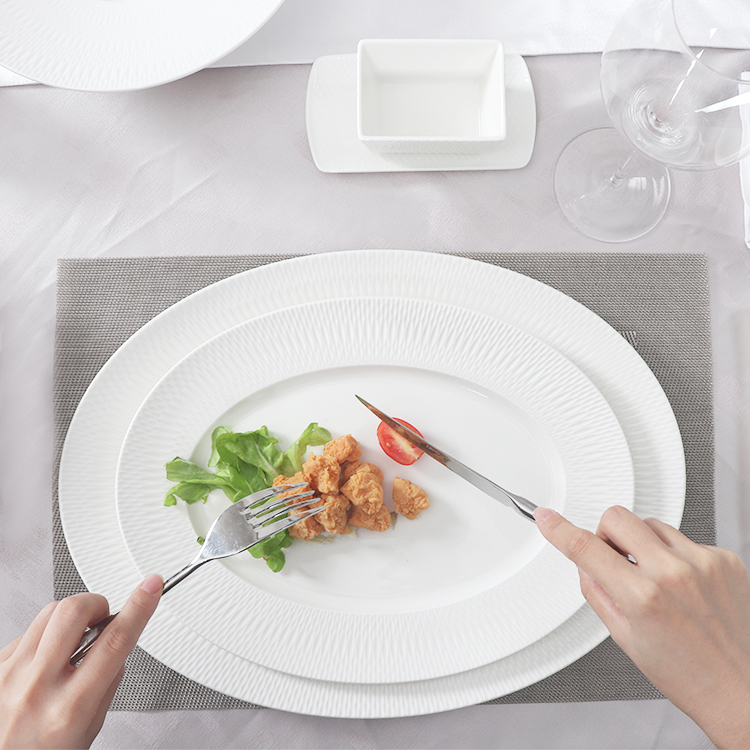
Porcelain’s smooth surface is vulnerable to scratches. Never use steel wool or rough scrubbers—these can leave permanent marks on the glaze. A soft sponge or microfiber cloth is enough to remove most residues. Also, avoid cutting food directly on porcelain plates with metal knives; it’s better to move food to a cutting board first.
In professional kitchens, staff are trained to handle porcelain gently, avoiding any rough contact. They regularly replace worn cleaning tools to prevent hidden abrasives. Even at home, a little extra care goes a long way in protecting your cherished pieces.
Clean Promptly
Cleaning porcelain soon after use is a smart habit. Dried food particles can cling tightly to the surface and may seep into microcracks in the glaze, affecting both appearance and hygiene. Soak dishes in warm water for a few minutes right after use, making them easy to clean. For greasy residues, adding a splash of white vinegar to your detergent can boost degreasing and deodorizing power.
In restaurants, dirty tableware is quickly sent to the cleaning station, where soaking tubs help loosen stuck-on food. At home, prompt cleaning not only saves effort but also preserves the shine and cleanliness of your porcelain.
Remove Stains Effectively
Stubborn stains like tea, coffee, curry, or tomato sauce can discolor porcelain. Baking soda is a gentle yet effective solution—sprinkle it on a damp sponge and gently rub the stained area. For tougher stains, soak the piece in a 1:1 solution of warm water and white vinegar for 10–15 minutes before cleaning. Avoid bleach or harsh chemical cleaners, which can erode the glaze and permanently damage your tableware.
Hotels and restaurants also use baking soda and vinegar for stain removal due to their effectiveness and safety. Staff are often trained in proper techniques to avoid harming the dishes—these same eco-friendly solutions work just as well at home.
Store Carefully
Proper storage prevents chips and scratches. When stacking dishes, place a napkin, paper towel, or felt pad between each item to cushion them and reduce friction. Don’t stack too high—excess weight may cause cracks in the lower pieces. Store your porcelain in a dry, well-ventilated cabinet, and consider using moisture absorbers to prevent mold or mildew.
Restaurants often use specialized racks to organize porcelain pieces by layer, allowing for both space efficiency and safe handling. Even without commercial equipment, adopting a similar mindset at home helps preserve the integrity of your tableware.
Mind the Temperature
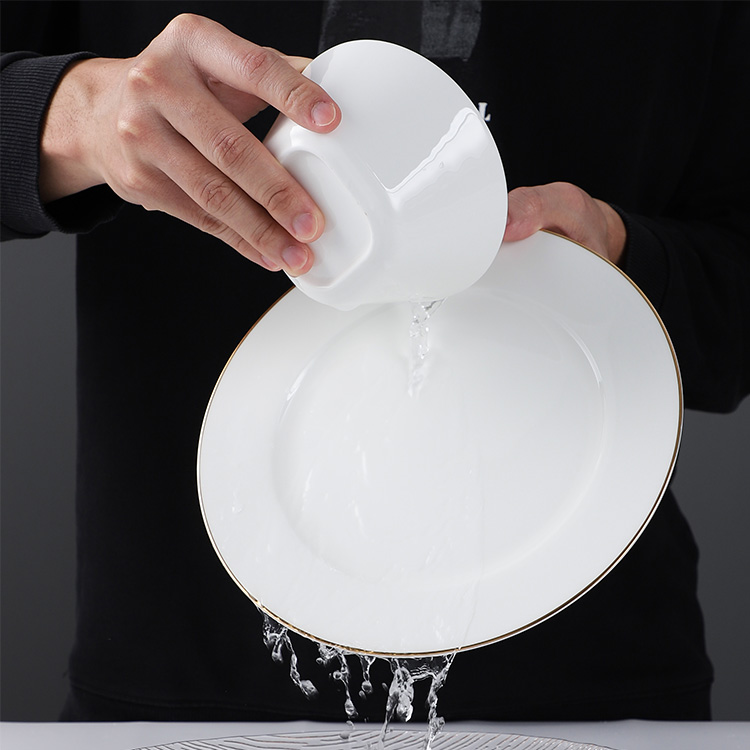
Porcelain is sensitive to temperature shock. Sudden changes can cause cracks. For example, don’t transfer a plate straight from the fridge into a microwave. Let it sit at room temperature for 5–10 minutes first. Similarly, don’t rinse hot porcelain with cold water. Check whether your dishes are microwave-safe—pieces with gold or silver accents may spark and are best kept out of the microwave altogether.
Professionals are trained to avoid thermal shock by pre-checking temperatures or using warming drawers. At home, just being mindful of temperature shifts can prevent unpleasant surprises.
By caring for your porcelain tableware with patience and intention, you’ll enjoy its beauty and functionality for many years to come. Whether it’s a quiet dinner at home or a gathering with friends, these care tips turn every meal into a refined ritual. As the hospitality industry shows us, consistency and attention to detail make all the difference. Hopefully, these suggestions will help your porcelain shine bright at every table setting.


LET'S TALK TOGETHER
Lorem ipsum dolor sit amet, consectetur estor adipi isicing elit, sed do eiusmod tempor este uterre incididui unt ut
