


PITO Article
P&T Royal Ware High-End Hotel Ceramic Tableware Procurement
Porcelain tableware procurement plays a pivotal role in shaping both operational resilience and guest perception within luxury hotels. A strategic shift toward customized, high-craftsmanship solutions—paired with enduring supplier partnerships—enables consistent quality, distinct brand differentiation, and optimized lifecycle efficiency across global hospitality portfolios.
Porcelain Tableware Procurement Risks in High-End Hotels
Underestimated Risk Factors
Porcelain tableware procurement in luxury hotels entails a multifaceted risk landscape. While decision-makers often prioritize visible threats such as breakage or supply delays, several critical yet frequently underestimated risk factors can significantly impact operational continuity and brand integrity. The following table outlines these risks and their implications:
| Risk Factor | Description |
|---|---|
| Supply Chain Fragility | Over-reliance on specific raw material sources heightens vulnerability to geopolitical disruptions and logistical bottlenecks. |
| Pricing Volatility | Fluctuations in raw material costs and labor expenses can erode procurement budgets and compromise financial predictability. |
| Regulatory Compliance Exposure | Failure to adhere to evolving environmental and food safety regulations may result in penalties, shipment rejections, or reputational harm. |
| Technology Obsolescence | Lagging behind in manufacturing innovation risks product irrelevance and diminishes competitive positioning in the luxury segment. |
| Procurement Behavior Shifts | Growing consolidation in procurement functions and heightened emphasis on sustainable sourcing are reshaping buyer expectations and supplier selection criteria. |
Supply chain fragility can trigger unexpected operational halts. Pricing volatility undermines long-range budgeting and cost control. Regulatory non-compliance exposes hotels to legal and brand-related consequences. Technology obsolescence renders inventory visually or functionally outdated, while shifting procurement behaviors compel rapid adaptation of sourcing strategies. Mitigating these risks demands a proactive, system-oriented approach to porcelain tableware procurement—one that integrates foresight, compliance, and agility, while aligning procurement decisions with long-term brand and operational objectives.
Hidden Costs and Brand Impact
Hidden costs in porcelain tableware procurement extend far beyond initial purchase price. Hotels often incur unanticipated expenses through elevated breakage rates, accelerated replacement cycles, and inefficient logistics. Substandard packaging or inferior materials can increase transit and storage losses, compounding operational inefficiencies over time and diminishing the total value derived from procurement investments.
Equally consequential—but less quantifiable—is the impact on brand equity. Tableware quality and visual consistency directly shape guest perceptions of luxury and attention to detail. Substituting lower-grade alternatives to achieve short-term savings can dilute brand identity and undermine the premium positioning essential to high-end hospitality. Moreover, regulatory violations or publicized product failures may inflict lasting reputational damage, affecting guest loyalty, online reviews, and future occupancy. Strategic procurement frameworks must therefore account for both tangible hidden costs and intangible brand-value implications over the asset’s full lifecycle—particularly for luxury hotels where every guest touchpoint contributes to long-term brand equity.
Guest Experience and Service Consistency
Service consistency remains a cornerstone of guest satisfaction in luxury hospitality, and porcelain tableware serves as a silent yet powerful ambassador of that standard. The following points illustrate its direct influence on guest experience metrics:
- Durability ensures visual and functional uniformity across service cycles, reinforcing reliability and professionalism.
- The refined aesthetic of fine porcelain elevates dining ambiance, contributing to elevated guest impressions and perceived value.
- In fine dining environments, tableware acts as a canvas—its form, finish, and color directly affecting how cuisine is perceived, photographed, and remembered.
Inconsistent, chipped, or mismatched tableware disrupts sensory harmony and can trigger negative feedback, particularly in review-driven markets. Hotels that embed robust porcelain procurement systems into their operational DNA achieve superior service consistency, thereby reinforcing their commitment to excellence and enhancing long-term guest retention.
Building a Long-Term Tableware System
Systematic Asset Management vs. One-Time Buying
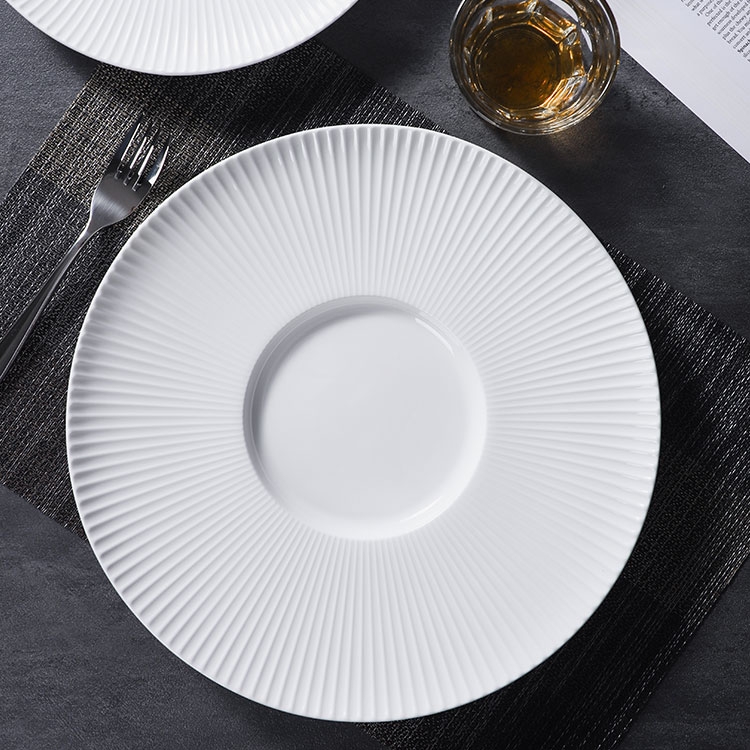
A sustainable approach to porcelain tableware procurement requires treating tableware not as a consumable expense, but as a managed operational asset that reflects the hotel’s standards, identity, and commitment to consistency. Moving beyond transactional, one-time purchasing decisions, hotels should adopt a systematic asset management model that enables standardized specifications, predictable replenishment cycles, and controlled inventory levels across all outlets—from fine dining restaurants to banquet halls and room service operations.
This asset-centric framework minimizes emergency reorders, prevents style fragmentation caused by ad hoc sourcing, and ensures that premium porcelain maintains both functional integrity and visual coherence throughout its service life. By institutionalizing tableware as a strategic asset, hotels align procurement with broader brand and operational objectives.
Lifecycle and Replenishment Planning
Effective lifecycle planning is fundamental to sustaining a unified tableware system across diverse hotel venues. Replacement demand must be forecast based on usage intensity, outlet turnover rates, seasonal banquet peaks, and historical breakage data. Establishing clear reorder thresholds—calibrated against supplier lead times and production schedules—enables proactive replenishment, reducing reliance on expedited shipping and mitigating stockouts during high-demand periods.
A disciplined replenishment strategy not only stabilizes inventory but also enhances long-term value creation by smoothing procurement expenditures and preserving design continuity across years of service.
Failure Costs and Operational Risks
Failure costs in tableware management extend well beyond the price of replacement pieces. Poorly coordinated procurement can lead to mismatched sets, visible wear, service delays during peak hours, and inconsistent guest experiences—all of which erode operational efficiency and brand credibility.
Hotels that implement rigorous lifecycle planning and asset tracking protocols significantly reduce these latent risks. Such frameworks ensure that porcelain tableware procurement remains tightly aligned with long-term brand standards, guest experience goals, and capital efficiency principles.
Professional Procurement Frameworks
Supplier Selection Criteria for PITO and Peers
Luxury hotels rely on structured, multi-dimensional frameworks to evaluate and select porcelain tableware suppliers. These frameworks prioritize alignment with brand ethos, uncompromising quality, and proven operational support—particularly in high-volume or custom scenarios.
Suppliers such as PITO are frequently chosen for their deep industry expertise, extensive product portfolios, and demonstrated ability to deliver consistent quality at scale—particularly by hotel groups seeking long-term consistency rather than short-term purchasing advantages. The evaluation process typically includes verification of international certifications (e.g., FDA, CE, ISO), assessment of production capacity, review of customization capabilities, and validation of experience serving comparable hospitality clients. Critically, decision-makers also weigh the supplier’s commitment to long-term partnership—beyond transactional delivery—to ensure resilience, innovation access, and collaborative problem-solving.
This rigorous selection methodology reduces exposure to supply chain, compliance, and quality risks while maximizing lifecycle value.
Porcelain tableware procurement must serve as an extension of the hotel’s brand identity and food & beverage (F&B) philosophy. Every plate, bowl, and cup functions as both a functional tool and a visual storyteller. Alignment is achieved through deliberate practices:
- Tableware complements interior design palettes and reinforces the property’s aesthetic narrative.
- Porcelain’s inherent versatility supports diverse culinary concepts—from classical French service to modern plant-based tasting menus.
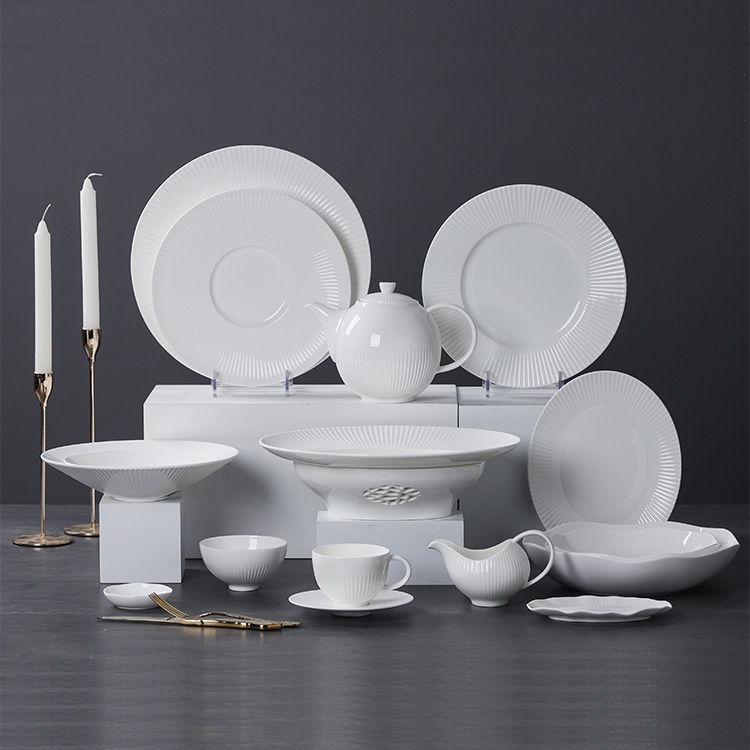
- The pure white, non-reflective surface of fine porcelain enhances food presentation, allowing chefs’ creations to take center stage through contrast, texture, and color fidelity.
Procurement teams collaborate closely with F&B directors, executive chefs, and interior designers to select forms, finishes, and dimensions that harmonize with the overall guest journey. Customization—such as discreet logo integration or bespoke rim treatments—further cements brand recognition and creates a proprietary dining signature that is difficult for competitors to replicate.
Cross-Department Collaboration
Successful porcelain tableware procurement hinges on cross-functional collaboration across key operational units. The procurement team acts as a central coordinator, synthesizing input from culinary, F&B, and operations stakeholders to define precise requirements and evaluate supplier proposals. Each department contributes essential insights:
- Executive chefs specify functional parameters—plate diameter, rim depth, heat retention—to optimize plating precision and service flow.
- F&B managers assess workflow compatibility, stackability, and inventory turnover to ensure seamless integration into daily operations.
- Operations and housekeeping teams evaluate durability, dishwasher resilience, and cleaning protocols to minimize lifecycle maintenance costs.
Cross-departmental alignment from the outset reduces the risk of misaligned purchases and ensures that tableware investments deliver sustained operational and experiential value.
Leading hotels institutionalize regular review cycles and feedback loops to monitor tableware performance in real-world conditions. This integrated approach strengthens system resilience, reduces operational friction, and maximizes the return on tableware assets over time.
Product Evaluation and Customization
Material and Durability Standards
Material integrity and performance durability form the bedrock of effective porcelain tableware procurement in luxury hospitality. Given the rigors of high-frequency use—including thermal shock, mechanical stress, and industrial dishwashing—tableware must meet stringent functional benchmarks. The following table summarizes essential performance criteria:
| Key Features of Porcelain Dinnerware | Description |
|---|---|
| Resistant to chipping and scratching | Withstands daily handling in fast-paced service environments without surface degradation. |
| Handles rapid temperature changes | Safe for oven-to-table transitions without cracking or warping. |
| Designed for continual stacking and regular dishwashing | Maintains structural integrity and finish after repeated commercial wash cycles. |
| Made from non-toxic, lead-free materials | Complies with global food safety regulations for direct food contact. |
| Suitable for everyday use in hotels and restaurants | Balances aesthetic refinement with practical resilience for professional settings. |
Adherence to these standards minimizes replacement frequency, reduces service interruptions, and safeguards long-term asset value. Procurement decisions grounded in performance—not just appearance—ensure that tableware supports both brand excellence and operational efficiency.
Design, Customization, and Brand Identity with PITO
Customization of porcelain tableware offers a powerful lever for reinforcing brand identity and crafting distinctive guest experiences. Partnering with specialized suppliers like PITO enables hotels to:
- Elevate brand perception through cohesive, signature tableware that guests associate with the property.
- Integrate logos, monograms, or proprietary color accents to strengthen visual recognition across touchpoints.
- Develop unique shapes or decorative motifs that become synonymous with the hotel’s culinary identity.
- Deploy tableware as a “silent brand ambassador” during every meal service, subtly reinforcing personality and values.
- Ensure design continuity across all dining venues—from rooftop bars to private event spaces—through scalable customization platforms.
This strategic use of customization transforms tableware from a functional item into a curated brand asset—one that quietly communicates identity, reinforces emotional connection, and sustains competitive differentiation in a crowded luxury market.
Hygiene, Certifications, and Sustainability
Compliance with hygiene, safety, and sustainability standards is non-negotiable in high-end hospitality. Porcelain tableware must meet internationally recognized certifications to guarantee consumer safety and environmental responsibility. Key credentials include:
| Certification Name | Description |
|---|---|
| ISO 9001:2015 | Validates robust quality management systems and consistent product control. |
| ISO 14001:2015 | Demonstrates commitment to environmental stewardship through systematic impact reduction. |
| ISO 45001:2018 | Ensures occupational health and safety protocols are embedded in manufacturing processes. |
| MOCA Certification | Confirms compliance with EU hygiene requirements for materials in contact with food. |
Adherence to these standards not only mitigates regulatory and reputational risk but also aligns procurement with broader ESG (Environmental, Social, and Governance) commitments. Hotels that prioritize certified, sustainably produced tableware position themselves as responsible luxury leaders—enhancing appeal among discerning guests and corporate clients alike.
Practical Procurement Considerations
Quantity Planning and Inventory
Strategic quantity planning and inventory management form the operational backbone of a resilient tableware system. Leading hotels leverage specialized ERP and inventory management platforms to track stock levels in real time, monitor production milestones, and synchronize deliveries with operational calendars. These digital tools enable precise forecasting, prevent service disruptions during peak seasons, and optimize working capital by avoiding both overstocking and shortages.
Automated tracking further reduces manual errors and supports data-driven replenishment decisions. By integrating procurement cycles with banquet schedules, menu launches, and renovation timelines, hotels ensure that premium porcelain is always available—without tying up excessive capital in idle inventory.
Digital inventory systems transform tableware from a static asset into a dynamically managed resource, enabling proactive lifecycle oversight and cost discipline.
Production Timelines and International Sourcing
Production timelines for custom porcelain orders vary significantly based on design complexity, sampling requirements, and international logistics. Standard items may be delivered within weeks, whereas highly customized collections—featuring unique shapes, glazes, or decal work—can require several months from concept to final shipment.
International sourcing introduces additional variables, including ocean freight duration, customs clearance protocols, and destination-specific regulatory checks. To mitigate delays, hotels should establish transparent communication channels with suppliers, confirm lead times early in the planning cycle, and build buffer periods into project timelines. Proactive coordination ensures seamless integration of new tableware into service operations without compromising guest experience.
Cost, Quality, and Value Balance
Achieving equilibrium between cost, quality, and long-term value is essential for sustainable procurement. Decision-makers must look beyond unit price and evaluate total lifecycle impact. Key considerations include:
| Aspect | Description |
|---|---|
| Material Selection | Porcelain’s non-porous structure and dimensional stability make it ideal for high-use hospitality environments. |
| Durability | Superior resistance to chipping and thermal shock extends service life, reducing replacement frequency. |
| Customization | Branded elements enhance guest recall and differentiate the property in competitive markets. |
| Value Measurement | True value is realized over years of reliable service—not at the point of purchase. |
A holistic procurement framework evaluates operational risk, brand alignment, and asset longevity alongside initial cost. This approach ensures that every investment in tableware advances both financial discipline and experiential excellence.
Common Mistakes and How to Avoid Them
Short-Term Focus vs. Long-Term Value
A frequent pitfall in luxury hospitality is prioritizing immediate cost savings over enduring asset value. While low-cost alternatives may appear attractive upfront, they often compromise durability, aesthetics, and compliance—leading to higher breakage rates, inconsistent guest experiences, and premature replacement needs.
Investing in high-quality, durable porcelain—formulated with premium kaolin, feldspar, and quartz—delivers superior performance under professional conditions. Hotels that adopt a lifecycle cost perspective achieve greater operational stability, stronger brand consistency, and improved guest satisfaction over time. Embedding procurement within a long-term asset strategy ensures alignment with the hotel’s vision for excellence.
Replenishment and Discontinuation Risks
Inadequate planning for replenishment and product discontinuation poses significant operational risks. Without accurate forecasting, hotels face either costly overstocking or disruptive shortages during critical service periods. More critically, if a supplier discontinues a specific pattern or shape, sourcing exact replacements becomes impossible—resulting in mismatched table settings that undermine brand cohesion.
To mitigate this, hotels should implement structured inventory systems that track usage by outlet and maintain open dialogue with suppliers about product roadmaps. Securing extended production runs or archival molds for signature designs can provide insurance against future discontinuation. Proactive lifecycle management preserves design integrity and service continuity.
Stakeholder Involvement
Effective tableware procurement demands inclusive stakeholder engagement. Common oversights include isolating the procurement team from culinary leadership or excluding the Executive Chef from design evaluations. Such silos often yield tableware that fails to support plating techniques, workflow efficiency, or aesthetic intent.
Frequent pitfalls include:
- Procurement decisions made without F&B or culinary input
- Plate dimensions or shapes that hinder food presentation
- Inadequate quantity modeling, leading to inventory imbalances
Initiate cross-departmental workshops at the onset of any tableware initiative. Joint decision-making and ongoing feedback loops ensure that selections meet both operational realities and brand aspirations.
Long-Term Partnerships with Tableware Suppliers
Building Supplier Relationships (e.g., PITO)
Enduring supplier relationships are foundational to successful porcelain tableware procurement. Luxury hotels benefit from partnering with suppliers who combine technical mastery, global compliance expertise, and a service-oriented mindset. Key relationship-building strategies include:
- Validating supplier credibility through third-party reviews, client references, and trade show presence.
- Confirming transparent return policies, responsive communication channels, and dedicated account management.
- Assessing production capacity and lead time reliability to safeguard against service disruptions.
Long-term partnerships often unlock preferential terms, early access to innovations, and collaborative co-development opportunities. Mutual trust—reinforced by timely payments, fair negotiations, and shared goals—fosters a supplier ecosystem that actively contributes to the hotel’s success.
Performance Monitoring and Improvement
Continuous supplier evaluation ensures sustained value delivery. Hotels should apply structured performance criteria, including:
| Criteria | Description |
|---|---|
| Certifications & Quality Standards | Verification of FDA, CE, LFGB, ISO, and other relevant credentials. |
| Manufacturing & Operational Capabilities | Assessment of factory scale, workforce expertise, and quality control rigor. |
| Verification & Due Diligence | Review of product samples, audit reports, and compliance documentation. |
| Specialization & Product Range | Alignment with core hospitality needs and breadth of customization options. |
| Pricing Structure & Value | Holistic evaluation of total cost of ownership, including support and logistics. |
| Negotiation of Terms | Securing favorable agreements on shipping, lead times, and value-added services. |
Regular performance reviews, supported by KPIs and guest feedback, drive continuous improvement and risk mitigation.
Future-Proofing Tableware Systems
Future-proofing requires foresight and intentionality. Hotels should:
- Prioritize timeless materials like bone china and fine porcelain for longevity and resale value.
- Co-create designs with culinary teams to ensure functional synergy with evolving menus.
- Select suppliers committed to sustainable practices, eco-friendly glazes, and ethical sourcing.
- Leverage volume commitments strategically to secure quality and pricing stability.
These practices enable hotels to adapt seamlessly to changing brand standards, guest expectations, and regulatory landscapes—ensuring that their tableware system remains a source of strength, not vulnerability.
Hotel leaders must elevate porcelain tableware procurement from a tactical function to a strategic asset management discipline. Key imperatives include:
- Partnering with suppliers who uphold rigorous safety certifications and offer responsive global support.
- Investing in durable, high-performance dinnerware to minimize waste and lifecycle costs.
- Embedding brand identity through thoughtful customization that resonates with guests.
- Aligning procurement decisions with operational efficiency, sustainability mandates, and guest experience excellence.
When managed with the same rigor as interior design, culinary systems, or service standards, tableware becomes a quiet yet powerful contributor to brand differentiation, operational resilience, and long-term profitability in luxury hospitality.


LET'S TALK TOGETHER
Lorem ipsum dolor sit amet, consectetur estor adipi isicing elit, sed do eiusmod tempor este uterre incididui unt ut
