




PITO Article
What Makes Porcelain Plates Durable? Kiln & Material Facts
A chipped plate is a lost cover and a break in the room’s look. Buyers ask what makes porcelain plates durable, and the short answer is not a single number. Chip resistance comes from how the body, glaze, and rim are built together. This guide separates the kiln facts from the myths so you can spec plates that last.
What actually makes a porcelain plate resist chipping?
Three things work together:
- Vitrified body density. A fine porcelain body fired to a dense, low-porosity state resists the micro-cracks that grow into chips.
- Glaze fit. A well-matched glaze helps protect the surface and reduces the risk of glaze-related damage under repeated use.
- Rim and edge design. A rounded or reinforced rim takes knocks better than a thin, sharp one.
Firing contributes to the first point, but it does not by itself decide the other two. A plate is only as durable as its weakest of these three parts. A thin rim on a perfectly fired body will still chip at the edge, which is exactly where plates meet racks and trays. Buyers should request a body spec and a glaze spec, not just a firing claim, because both decide the outcome on the line.
Does higher firing temperature mean a stronger plate?
Higher firing tends to vitrify the body more fully, which usually improves density and stain resistance. That is a real effect. But calling a firing temperature a guarantee of chip resistance is wrong, because the glaze and rim still decide most of what happens at the edge.
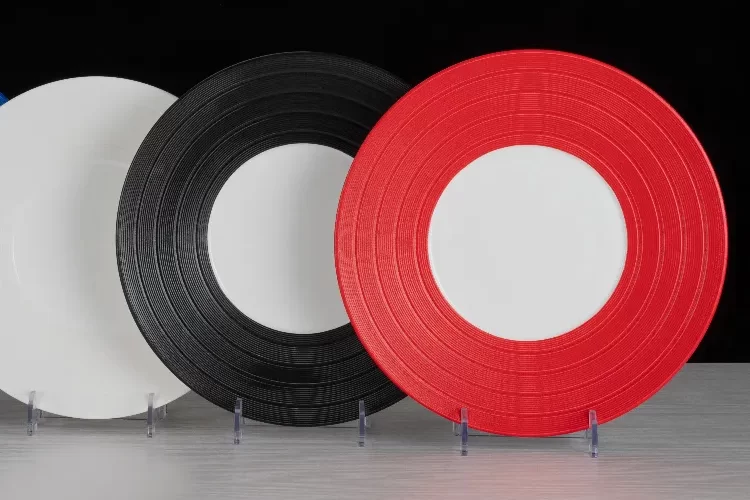
A piece fired at around 1320°C in a single high firing can be dense, and density is one reason it performs well. Still, buyers should read the full build, not the thermometer. Ask for a chip test on the rim, not just a firing spec. For buyers sourcing at scale, our guide to wholesale plates for restaurants pairs durability with stock math.
Tip: Judge a plate by an edge chip test and a water absorption figure, not by a temperature printed on a page.
How do you read a plate’s durability before buying?
Request two pieces of evidence from the supplier:
- Ask for the tested water absorption value and the applicable product standard rather than relying on a generic “low absorption” claim.
- A rim chip test result, or a sample you can edge-test in your own dishroom.
The rim takes the most abuse, so the edge is where durability is won or lost. A low water absorption number tells you the body is dense; the chip test tells you the edge will hold in service. A high-fired fine porcelain body with a poor rim still fails where it is handled most. The written figure and the test report are what confirm vitrification.
Which service styles need the most durable plates?
| Service style | Why durability leads |
| Banquet | High covers, fast reset, tight stack |
| Buffet | Constant movement and refills |
| Cafe | All-day turnover and small washes |
These outlets run volume, so a plate that resists chipping protects the budget per cover: the same reason groups that know names like PITO spec one rim across the range. Finer venues with lower turn can choose lighter bodies without the same cost pressure. A 300-cover banquet with two daily services will test a rim far harder than a 100-seat cafe at one service, so the spec should follow the operation, not a catalog label. Volume outlets also benefit from one rim spec across the range, because mixed rims wear at different rates and raise the breakage rate over a quarter.
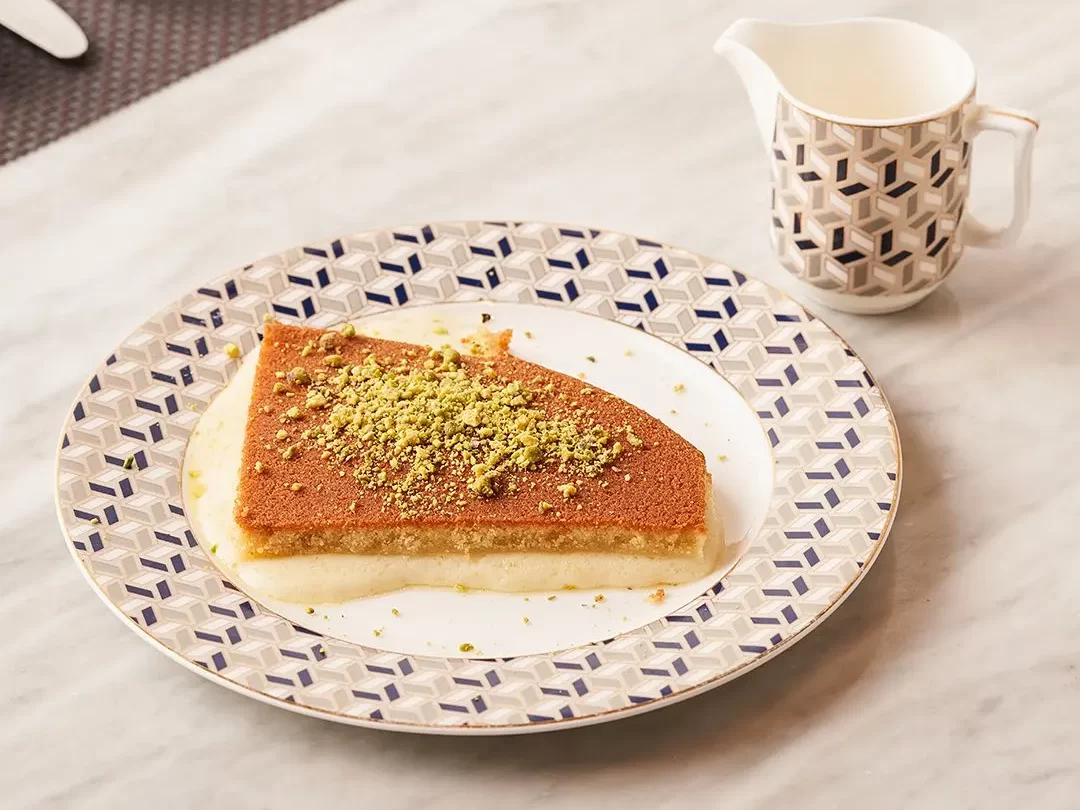
We work as a hospitality tableware solution partner. The hotel flow runs in eight steps:
- Concept / Menu Analysis: read menu and turn rate.
- Material & Shape Selection: fine porcelain for volume, white bone china for refined service.
- Custom Design: shape and glaze built for your brand.
- Sampling: test chips and stacks in your kitchen.
- Operational Testing: confirm edge hold under your real cycle.
- Production / QC: made in our plant under ISO 9001.
- Delivery: timed to seat count and opening.
- Replenishment: reorder against the locked sample.
ISO 9001 means the plant runs a quality management system. It supports steady production, but it does not lock shade and caliber across reorders on its own. The locked sample and repeatable batch process are what actually hold consistency. The same program method used for recognized names such as PITO holds caliber steady across reorders, which is exactly what volume service demands. Where a venue prizes a refined look over volume, our white bone china tableware fits the same program.
Frequently Asked Questions
Q: Is fine porcelain more chip resistant than bone china?
Not by material family alone. Chip resistance comes from body density, glaze, and rim design. A well-built fine porcelain plate can outlast a thin rim of any material in high-volume service, because the edge takes the most abuse. Choose by how the piece is made, not by the material name.
Q: Does single firing make plates stronger?
Single high firing can produce a dense body, and density helps. But strength also depends on glaze fit and rim design. Firing is one factor, not a guarantee, so ask for a rim chip test rather than a firing claim.
Q: How many plates should a banquet keep per seat?
Set par level from covers, turn rate, wash frequency, and breakage expectation, not a fixed ratio. A 300-cover banquet with two daily services needs more than a 100-seat cafe. Derive the number from your operation, and plan replenishment against a locked sample.
Q: Can durable plates still look refined?
Yes. A rounded rim and a clean glaze read as polished while resisting chips. Durability and look are not opposites; they meet in how the plate is built, which is why a hotel program specs both at once. Browse our porcelain plates range to see rim options.
Ready to spec your property? Contact P&T Royal Ware with project type, service concept, expected quantity by cover or seat, and customization needs.


LET'S TALK TOGETHER
Lorem ipsum dolor sit amet, consectetur estor adipi isicing elit, sed do eiusmod tempor este uterre incididui unt ut
