




PITO Article
Ceramic vs. Porcelain vs. Bone China: What’s the Difference
As a PITO professional in the ceramics industry, I’ve encountered countless questions about Ceramic, Porcelain, and Bone China. They may seem similar, but in reality, they differ significantly in terms of materials, manufacturing processes, and uses. This article will use accessible language, combined with industry knowledge, to deeply analyze the distinctions among the three, and provide practical advice to help you choose the most suitable material.
What is Ceramic
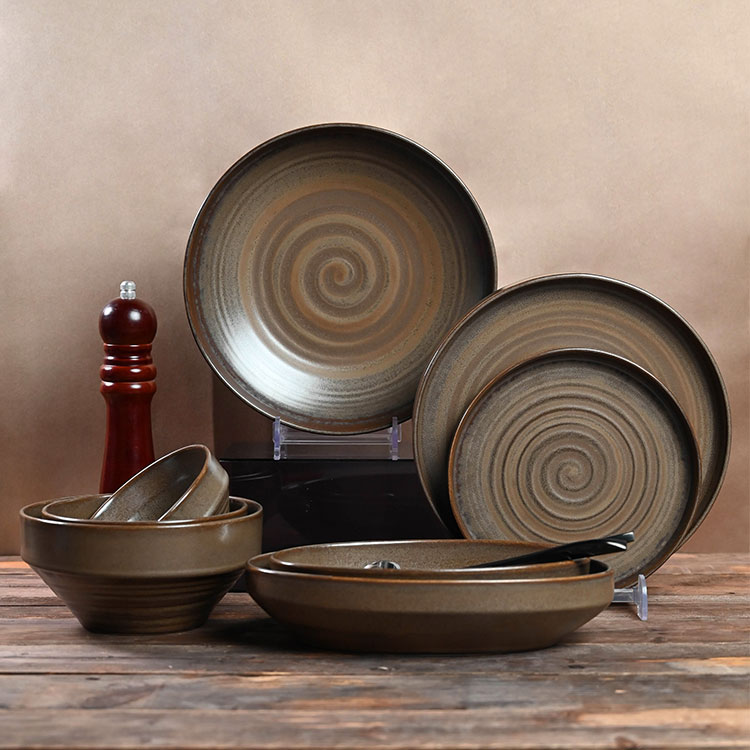
Ceramic is a broad term that encompasses all products made from clay or other inorganic, non-metallic materials, fired at high temperatures. From prehistoric pottery jars to modern high-temperature aerospace materials, the ceramic family is all-encompassing. Their common characteristics are high-temperature resistance and corrosion resistance, but they are fragile.
According to firing temperature and process, ceramics can be divided into:
- Low-fire ceramics: Such as Pottery, fired at approximately 800-1000℃, with high water absorption. Commonly seen in flower pots and decorative items.
- High-fire ceramics: Such as porcelain and bone china, fired at higher temperatures, with a denser structure. Widely used in dinnerware and industrial fields.
The diversity of ceramics makes them widely applicable, but in the dinnerware sector, porcelain and bone china are more prominent due to their aesthetics and practicality.
What is Porcelain
Porcelain is the essence of ceramics, originating in China over 2000 years ago. It primarily uses kaolin (a pure white clay) as its main raw material, supplemented by feldspar, quartz, and other components. It is fired at high temperatures of 1320℃, causing some materials to vitrify and form a dense structure.
Characteristics of Porcelain:
- Low water absorption: Water absorption is less than 0.5%. The surface is smooth and easy to clean, making it suitable for dinnerware and bathroom products.
- High hardness: When tapped, it produces a crisp “ding” sound. It’s wear-resistant and has a long service life.
- Semi-translucent: When held up to the light, thin porcelain exhibits a slight translucency, presenting a jade-like texture.
- Pure white: Kaolin gives porcelain its pure white base color, making it suitable for painting and glaze decoration.
Due to its durability and aesthetic appeal, porcelain is often used for everyday dinnerware, tea sets, and art pieces. For example, Jingdezhen porcelain is globally renowned for its exquisite craftsmanship, representing the pinnacle of Chinese ceramics.
What is Bone China
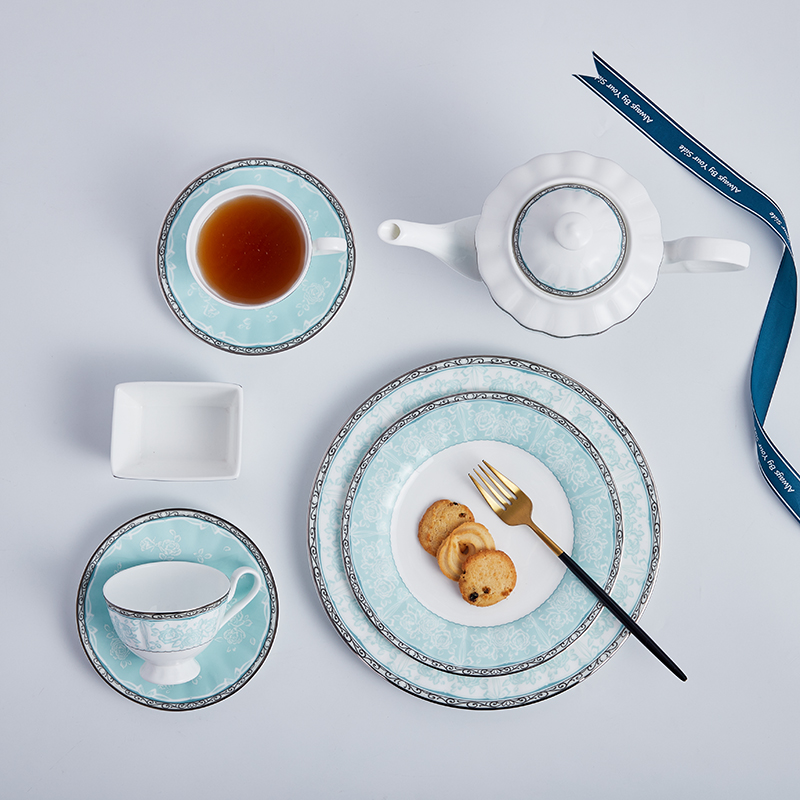
Bone China is a high-end ceramic developed in 18th-century England to imitate Chinese porcelain. Its unique feature is the addition of 30-50% animal bone ash (usually ox bone) to the raw materials. PITO Bone China is fired twice at 1320℃, making it highly vitrified and dense.
Characteristics of Bone China:
- High translucency: Thin bone china is almost fully translucent, exhibiting a soft, milky white luster, which is its hallmark feature.
- High toughness: Bone ash gives bone china a certain elasticity, making it more resistant to chipping than porcelain, suitable for delicate dinnerware.
- Warm feel: The surface is delicate, and the color is a warm ivory white, comfortable to the touch. It feels as smooth and moist as jade to the touch.
- Light and thin design: Bone china can be crafted into thinner, lighter vessels, combining beauty with practicality.
Due to its elegant appearance and excellent performance, bone china is often used for high-end dinnerware and hotel supplies. However, the use of bone ash has also raised some environmental and ethical discussions, such as the sustainability of animal sources. However, some of PITO bone china dinnerware use calcium and other mineral substitutes instead of traditional animal bone ash. This innovative approach maintains the material’s premium quality while addressing environmental concerns and religious considerations.
Historical and Cultural Background
- Ceramics: Originated in the Neolithic Age, pottery relics are found worldwide, such as China’s Yangshao Culture (approximately 5000 BCE). Modern ceramic technology has expanded into fields like medicine and aerospace.
- Porcelain: Porcelain craftsmanship matured during China’s Tang and Song dynasties. In the Yuan dynasty, blue-and-white porcelain initiated global trade, influencing European ceramic development.
- Bone China: An 18th-century British innovation, the Spode brand was the first to perfect bone china craftsmanship, making it a symbol of Western aristocratic tables.
How to Distinguish Between the Three
Here are practical distinguishing methods:
| Characteristic | Ceramic (Pottery) | Porcelain | Bone China |
|---|---|---|---|
| Sound when tapped | Dull, low-pitched | Bright and sharp | Clear and ring sound |
| Translucency | Opaque | Slightly translucent | Clearly translucent, milky white |
| Color | Various colors, rougher | Pure white, Color glazed | Ivory white, warm Color-glazed |
| Weight | Heavier | Medium | Light and thin |
| Water absorption | High (5-10%) | Low (<0.5%) | Extremely low (<0.2%) |
Practical Tips:
- Tapping Method: Gently tap the edge with your finger. Bone china produces the clearest sound, porcelain is second, and pottery is the dullest.
- Translucency Test: Hold the vessel up to the light. Bone china is the most visibly translucent, porcelain is slightly translucent, and pottery is opaque.
- Feel and Weight: Bone china is light, thin, and warm to the touch. Porcelain is slightly heavier, and pottery is the roughest.
How to Choose
The choice depends on your needs and budget:
- Ordinary ceramics (Pottery): Suitable for those with limited budgets or for decorative purposes, such as flower pots or rustic ceramic dinnerware. They are affordable but absorb water easily.
- Porcelain: Ideal for everyday dinnerware and tea sets, balancing aesthetics and durability. It offers good value for money, suitable for homes and restaurants.
- Bone china: Perfect for users seeking refinement and high quality, such as for high-end hotels or gifts. It is pricier but beautiful and durable.
For example, for family meals, porcelain dinnerware can be chosen, balancing practicality and aesthetics; for hotels or special occasions, bone china can be used to elevate the perceived quality and user experience.
Conclusion
Ceramics, porcelain, and bone china each have their unique merits. Understanding their differences can help you make a more informed choice. Whether it’s everyday porcelain dinnerware or high-end bone china tea sets for special occasions, choosing the right material can enhance your quality of life. I hope this article has answered your questions. Please feel free to share your experiences or queries!


LET'S TALK TOGETHER
Lorem ipsum dolor sit amet, consectetur estor adipi isicing elit, sed do eiusmod tempor este uterre incididui unt ut
